
Developer appeals against refusal of 217 homes on agricultural land near Yorkshire market town
A developer is calling for a public inquiry as it appeals against the local council’s rejection of its plan for 217 homes near Yarm and Ingleby Barwick.
Barratt David Wilson Homes North East has appealed against Stockton Council’s refusal of the proposal for 217 homes on land south west of Waynesland, Low Lane, High Leven, a scheme which it said could bring 169 jobs and £33m into the regional economy.
The council decided against the plan in March, saying it was outside settlement limits and “would have an unacceptable impact on the rural character and appearance of the area through its detached, isolated and poorly related position”.
The authority also said the benefits of the plan would not be outweighed by the harm to the landscape, adding: “The proposed development has a poor layout due to the lack of place-making and street trees.”

It said the developer had not given enough information on issues like flood risk and loss of agricultural land.
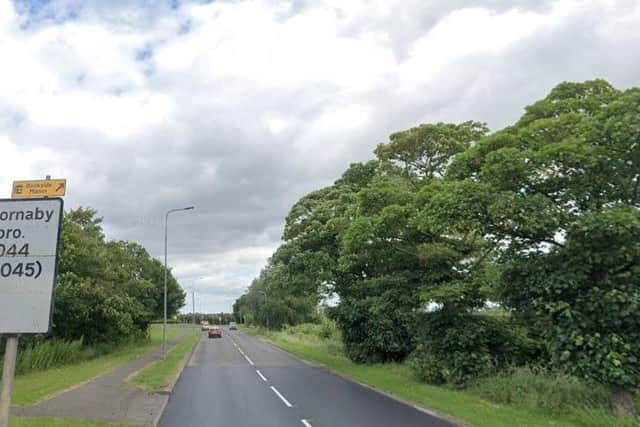
The proposal drew 181 objections from residents of Ingleby Barwick, Yarm, Maltby and surrounding areas, and no letters in support. Objectors said there should be no development beyond the A1044 and the plan could set a precedent and encourage wider development across the rural fringe.
They expressed concerns about heavy traffic congestion with accidents, collisions and near misses, a dangerous junction at Yarm Road and Hilton Road, limited visibility, long delays, queueing, tailbacks, school-time gridlock, pedestrian safety, lack of safe walking and cycling routes, creation of rat runs and poor public transport.
They also raised issues including flood risk, infrastructure including full schools, doctors’ and dentists’, lack of facilities in the scheme, urban sprawl, urbanisation, loss of farmland, harm to wildlife and listed buildings, construction disruption and the “unsustainable cumulative impact” of several large developments.
The developer has since asked for a public inquiry to hear its appeal against the council’s decision.
Neil Furber, senior director of Pegasus Group, wrote in a statement of the developer’s case: “The proposed development has adequately considered landscape character, natural beauty of the countryside and identified opportunities for existing qualities or features to be conserved or enhanced including the provision of new green infrastructure.”
He said the council’s description of the proposals as a “pronounced peninsula of urban development within an otherwise rural landscape” was “unfair and inaccurate”, arguing “the impact of the proposed development beyond the site boundary would be localised” and reduced by planting.
He disagreed that road works on Low Lane would be out of character with the area, that the site was isolated or prominent, or that the development would “cause a significant adverse and urbanising effect” on rural land.
He added: “The landscape proposals include new tree and hedgerow planting that would result in a moderate/minor beneficial effect on the tree and hedgerow resource, accounting for the localised removal of existing trees and hedgerow sections…
"The proposed development would have a major/moderate adverse effect on landscape character at a site level, which is to be expected for any similar development on a greenfield site.”
He said there would be “approproate privacy distances” between existing and proposed homes and the development would not cause any “overbearing or unacceptable impacts” for residents. He went on: “The appellant does not agree that the proposed development has a poor layout due to the lack of street trees.
He said it was agreed the scheme tackled an unmet housing need, concluding: “The proposed development would not lead to unacceptable impacts on the character and distinctiveness of the borough’s landscape… The proposals, at this stage reflect best practice and do not warrant the reasons for refusal promulgated by the council.”
Annabel Keegan, technical director of PJA, said in a design statement on behalf of the developer: “The appeal scheme will provide a high quality, appropriate and well-designed development reflecting local character that is well-integrated into its surroundings.”