
Embrace the future, respect the past, Future Farmers of Yorkshire debate hears
Both tradition and technology will have key roles to play in the region’s farming future, a Yorkshire Agricultural Society event has heard.

The Future Farmers of Yorkshire autumn debate, at the Pavilions of Harrogate, drew hundreds of farmers, students and professionals from across the region.
Hosting the debate, South Yorkshire beef and arable farmer and Youtuber Joe Seels said while those attending the event were being invited to use technology by using a QR code to send anonymous questions to the panel, but traditionalists could just raise their hands.
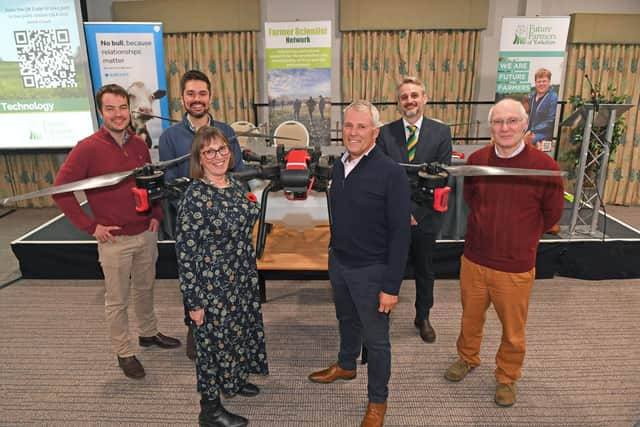
The debate, which was a collaboration between the Future Farmers of Yorkshire and the Farmer Scientist Network – two of the Yorkshire Agricultural Society’s leading networks – saw a panel of four farmers underline the importance of technology.

Yorkshire Wolds arable farmer Andrew Manfield, who founded his company Manterra Limited, specialists in PTx Trimble precision guidance and XAG agricultural drones, cultivators, seeders and spreaders, said the take-up of technology was inevitable. Making the case for investing in technology, he said: “Unfortunately, I don’t think I’ve ever been as concerned as I am now about the challenges we all face. Low commodity prices, complete lack of Government interest in food security, dramatic extremes in weather, I could go on.”
Mr Manfield said the resultant “farming depression” was similar to that his grandfather had emerged through in the 1920s. He said: “The lesson was learnt that food production will always be essential, and because it is essential the latest technology will always be brought to bear on it.”
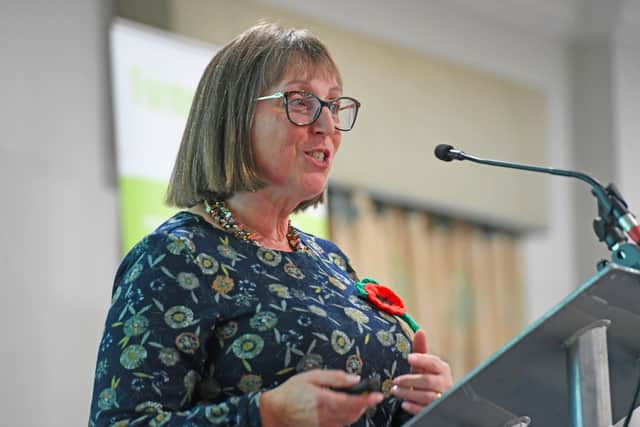
Dr Louise Manning, who has worked for more than 40 years undertaking consultancy work and research to inform strategy, policy, business productivity and personal development in the agri-food sector, said it was quite difficult for each farming enterprise to work out which technologies would be of value to them to embrace. Dr Manning said technology had to be part of the drive to increase efficiency and profits, but it had to be “the right technology in the right place”. She said: “For me, regenerative is a term that is becoming more and more green-washed. It’s interesting, it’s nice, but when I went into the supermarket to buy my mother-in-law some cat food and the cat food says are you interested in regenerative farming on it, I begin to wonder what that means to consumers and whether consumers are going to pay for it.”
Well-known farmer Andrew Ward, who launched Forage Aid in 2013 to help livestock farmers who lost thousands of animals due to heavy snow, said farmers were “on the edge of another agicultural revolution”. He said: “My father always said to me he didn’t think we would see the level of advancements that he saw in agriculture. I think we have. If you look at the now and compare that with where we are going to be in ten years time, I think you will be massively surprised.”
Stuart Mitchell, who runs a 442-hectare mixed organic farm, highlighted the benefits of taking a back to basics approach.
He said the adoption of a low input system on the farm had allowed for a good output, healthy profit and better work life balance without fighting against nature.
He said: “On our farm there’s 50 hectares of cereals, all organic. Our approach is plough it, sow it, shut the gate, harvest it, sell it. Having a mixed farm keeps your fertility up and keeps costs fairly low so if you do hit disaster you don’t lose out very much.”