
Fears for Yorkshire farming over impact of the Iran war on price of fuel and fertiliser
Farming leaders and politicians in Yorkshire have spoken of their concerns for the industry and rural communities as a result of the war in Iran, saying some enterprises with tight margins are already having to struggle with the impacts of the conflict.

William Maughan, the NFU North regional board chair, said the confidence of farmers was at a low ebb before the Iranian war erupted, but uncertainty over whether the war would be short-lived had further lowered confidence.
His comments followed the publication of a Labour Rural Research Group report sponsored by the Countryside Alliance which concluded ministers urgently need to develop a coordinated strategy to tackle what it describes as a structural rural penalty affecting millions of people living outside towns and cities. Mr Maughan welcomed calls to introduce a national rural plan, saying soaring oil prices and rising living costs place increasing pressure on countryside communities. Last week some farmers reported red diesel prices rising above 100p per litre.
North Yorkshire Council leader Carl Les, said the report added credence to the North Yorkshire Rural Commission and subsequent Task Force in 2022 highlighting that rural residents faced “acute fuel poverty” due to reliance on unregulated heating oil/LPG, older inefficient housing, and high energy costs.
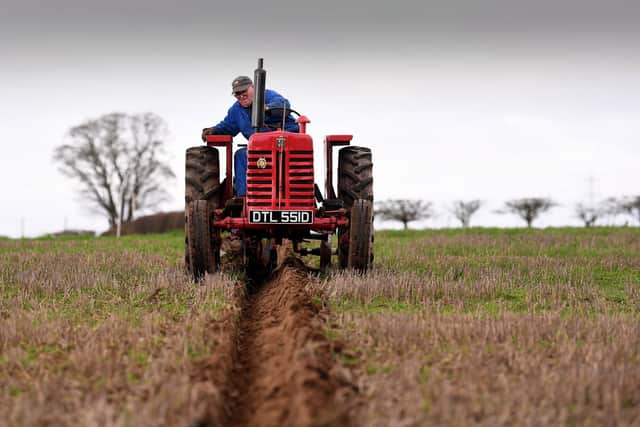

Cllr Les described the calls for a national rural plan as “laudable”. He said: “A Labour report, you like to think it has the ear of the Government.” He said: “If oil and fertiliser prices are up this is going to have an impact on rural communities. Transport is not a luxury.”
Beef, arable and poultry farmer Mr Maughan said as the war had erupted recently it was quite hard to know the exact consequences. He said: ”Certainly red diesel is harder to get hold of with a long lead time you have to wait for it. The fuel inflation is the most pressing issue. It is a big factor due to the nature of the job.
"People won’t know what the price is until the point of delivery. It does impact people more in the rural communities due to transport and many rural residents being dependent on oil heating. It’s knocking farms and rural communities.”
In addition, last year a study by the York and North Yorkshire Combined Authority found over 52 per cent of the region's 7,000 commercial farms were not making a sustainable profit.
Mr Maughan said margins were very tight for wheat, barley and oil seed rape growers and as farmers headed into a busy time of year applying fertiliser, drilling crops and planting crops, for fuel use.
With nitrogen, phosphate and sulphur supplies under pressure and disruption to production and exports from major Arab Gulf producers, alongside the near-closure of the Strait of Hormuz, concerns are mounting across global fertiliser markets. The fertiliser market volatility has also highlighted long-standing concerns around price transparency in agricultural supply chains, with farmers only being informed of the price of fertiliser or fuel once products have been delivered, exacerbating difficulties in planning.
Mr Maughan said some Yorkshire farmers might not be overly affected by a sharp rise in fertilisers prices as a result of the conflict for a while as they had a proportion of the cover they needed already on the farm. He said: “People who haven’t bought their fertiliser will be the ones caught out worst. It depends how long it goes on for as it will start to affect decisions for crops next year the closer to summer we get.”