
Fears grow as red tape chokes small abattoirs
A survey of farmers has underlined the importance of small and local abattoir services for economic growth, resilient local food systems, public goods and animal welfare.

Some 850 farmers and land managers, including many from Yorkshire, responded to an online survey carried out by the Sustainable Food Trust, Soil Association and Rare Breeds Survival Trust – which aimed to better understand the importance of small abattoirs for farming and meat businesses.
It was found 58 per cent of respondents said their business would not be profitable without selling direct to consumers or through local markets – a model which depends heavily on private kill and further processing services offered by small and local abattoirs.
Between 2019 and 2021, the sector saw the closure of 14 small, family-run abattoirs. In response, Defra launched a £4 million fund to boost the sustainability and efficiency of small abattoirs.
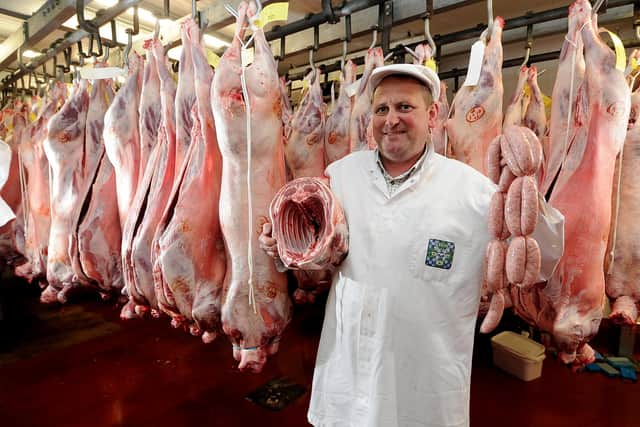

However, in 2022 the closure of independent abattoir Mettrick’s abattoir in Glossop on the South Yorkshire border, after being in business for more than 100 years, sparked further anxiety amongst farmers who rely on such operations for their own livelihoods.
The firm said increasing regulations and red-tape and inexperienced vets had created conflict, causing staff to become demoralised and leave.
Last year saw one of the last family-owned abattoirs in Yorkshire Dales, McIntyre Meats, wind down operations after 23 years, despite having some 1,800 customers.
The site in Bainbridge was used for slaughtering livestock, however, the challenging environment had significantly impacted the business's financial situation.
Earlier this year, NFU Livestock Board chair Hugh Broom warned against “over burdening operators in the supply chain with excessive red tape”. He said: “Small and medium-sized abattoirs are vital to the food supply chain and the government needs to work with the NFU and help us do all we can to support and seek opportunities to grow this sector.”
The latest study saw many respondents raise concerns about animal welfare implications of long-distance transport to abattoirs, which they felt undermines their high on-farm welfare standards – a consequence of limited access to local slaughter facilities.
Small abattoirs have continued to close across the UK in recent years, posing a severe threat to the future of local meat supply – according to the British Meat Processors Association, in the 1970s there were around 2,500 abattoirs in the UK, but today there are only 203. A third of survey respondents said their local abattoir had closed in the last five years, while a quarter reported their abattoir was too busy or fully booked, often due to nearby closures.
Megan Perry, of the Sustainable Food Trust, said: “We need a national plan for local meat that places relocalised and resilient short supply chains at the heart of government food and farming strategy. We welcome the work achieved to date through the long-standing small abattoir campaign, sector group and government working groups.”