
Housing order as avian flu outbreak grips the county
Some 68,000 free-range hens have this week been culled at a North Yorkshire farm as housing measures were imposed on keepers across the region with more than 50 birds after a rise in cases of highly pathogenic avian influenza.

The Department for Environment, Food and Rural Affairs ordered poultry farmers across a high-risk zone extending from the Scottish and Welsh borders to East Anglia to bring their flocks indoors in a mandatory housing order to contain the fast-spreading infectious disease.
The order, which means keepers must also keep feed and bedding inside, and to cleanse and disinfect clothing, footwear, equipment, vehicles before and after contact with poultry or captive birds, will be in place until further notice.
The move came just a few days after officials confirmed highly pathogenic avian influenza (HPAI) H5N1 in a large commercial poultry premises north-west of Bedale, near Hackforth.
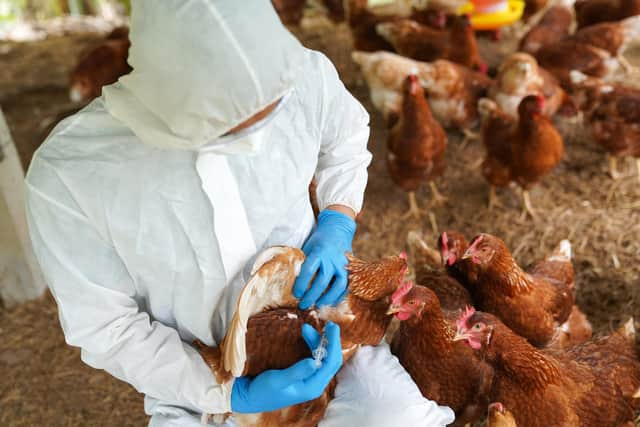

A 3km protection zone and 10km surveillance zone was declared surrounding the premises and animal health officers said all poultry on the premises would be humanely culled.
The regional housing order comes just months after the previous such order affecting Yorkshire and the North of England was gradually lifted, following multiple outbreaks across East and North Yorkshire.
Officials have previously emphasised they are planning for another difficult autumn and winter, warning the coming year is going to see more outbreaks than there was during the last year.
Last month the most confirmed cases across the country in October since 2021, when the poultry sector saw more than one million birds from outdoor systems culled.
Officials have underlined the housing measures do not apply to hobby bird keepers, saying they wanted to target the increased biosecurity risk linked with trading activity, such as vehicle movements between sites.
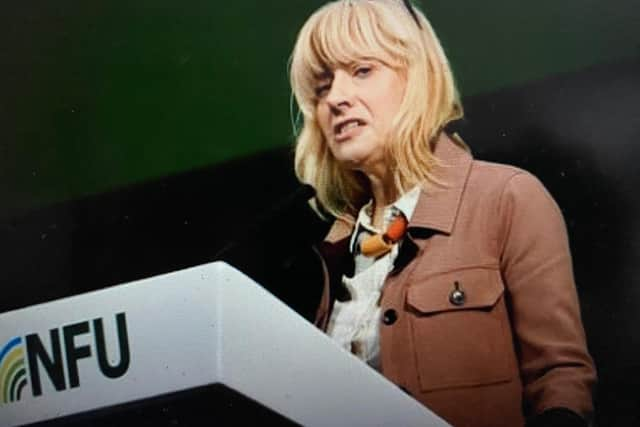
UK Chief Veterinary Officer Christine Middlemiss said: “The risk of avian flu is seasonally very high which is why we are introducing these measures to help protect livelihoods and animal welfare.
“There is an increasing number of avian influenza cases on commercial farms and in backyard flocks across various counties across England. Prompt action to try and prevent the further spread of disease is now necessary and I would urge bird keepers to comply with the new housing measures."
The UK saw numerous unseasonal outbreaks of the disease in the summer months, leading to the total number of recorded cases rising to 90 in the 13 months to the end of October. All nine of the most recent cases were at commercial poultry units.
Although the UK appears to be the hardest hit European country, Germany, the Netherlands, Belgium, France, Poland and Denmark have confirmed outbreaks at commercial poultry farms.
Experts say the risk of bird flu outbreaks could further increase across Europe, following an increase in cases of migrating cranes in Germany being "particularly affected by the disease for the first time," according to the Friedrich Loefller Institute.
More than half a million birds have been culled in Germany since the beginning of September in a bid to stop the spread of bird flu.
The institute has advised poultry farmers to implement strict biosecurity measures to minimise contact between poultry and wild birds and reduce the risk of outbreaks.