
How this year's dry summer is having a profound impact on Yorkshire's wild animals
Drier summers are having a profound impact on Yorkshire’s wild animals, stretching rescue charities to their limits, reports Stuart Minting.

This summer’s prolonged spells of hot and dry weather have seen the number of dehydrated, injured and orphaned creatures taken to rescue centres surge to the extent many have been forced to close to admissions.
Badgers, moles, hedgehogs and owls have been particularly hard hit, as food and water sources have dried up or disappeared.
For example, as the ground has dried worms went into a state of torpor called estivation, making the badgers’ favoured food impossible to come by without major ground disturbance.

While the RSPCA says the number of dehydrated and orphaned hedgehogs being cared for rose by 30 per cent this summer, other charities have highlighted that water voles have been severely impacted as chalk streams suffer from extremely low water levels.
By the end of August, the Yorkshire Dales Wildlife Rescue had taken in more animals than it did in the whole of last year, which also saw number the number of rescued animals double year on year from 2024. While many rescues have had to close their doors due to the pressure, the volunteer-run Horton in Ribblesdale-based sanctuary has coped with demand by prioritising endangered animals.
Co-founders Penny Hunt and Jane Carpenter described the last few months as “a very difficult summer”, spending up to 18 hours a deal on taking in sick, frail and injured animals from a huge catchment. With increasingly extreme summers the charity is looking to appoint a full-time centre manager and team up with businesses interested in sponsoring such a role.
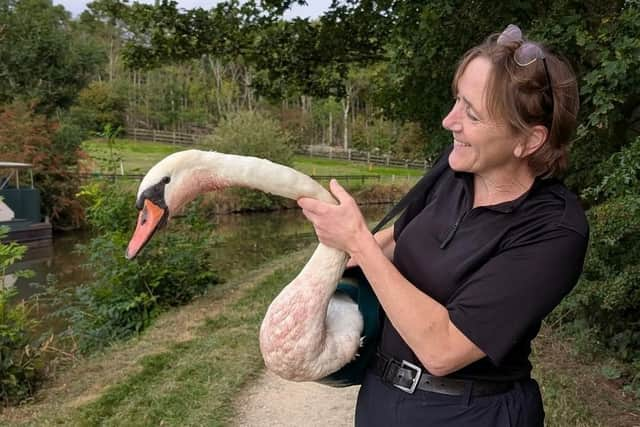
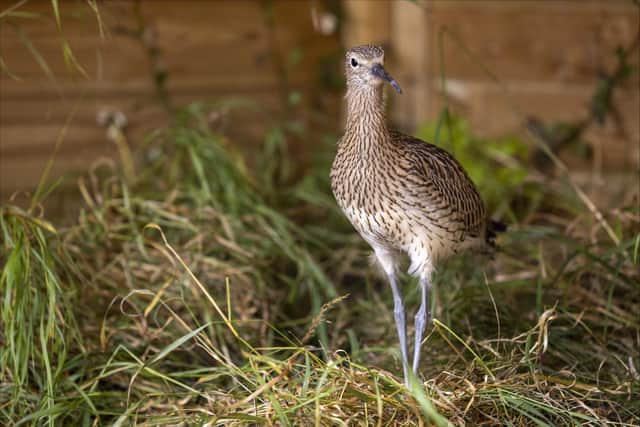
As the only rescue centre for miles around that takes a range of animals, this summer has seen a swan rescued from Ullswater in the Lake District, fledgling greenfinches found in Ripon out of a nest, and a curlew from Lancashire whose parents and siblings had been killed, has now been released with a flock of other curlews so it has the best chance of migrating.
Penny, an artist, said the first indication that this year could be exceptional came in the form of a badger, found by somebody’s dog on a track in February, which she said was very unusual at that time of year because it’s when they are born, so they should be hidden in dens.
She said: "We’ve no idea if mum was trying to move him to a safer den and dropped him or if he got dragged out of the den by another animal.
"He was a tiny little thing with eyes closed, still being bottle-fed. That was when baby season started and it’s still going and will continue at least until the end of October.”
The lack of water has created a serious shortage of food.
Penny said: “You’d think there would still be mice running around, but they’re not getting the food to eat either.
"Lots of the owls are sitting on roads and have gateworm, where you can see the worms in their throat which are killing them. There are so many tawny owls being killed on roads at the moment.”
The rescue centre has a separate maternity room for hedgehogs, which is limited to one person at a time, because if a pregnant hedgehog was put into the main room the likelihood is they would eat their babies as there is talking.
Penny said: “We have had hedgehogs come in with insufficient milk to feed their babies. You can’t disturb the hedgehog once it’s given birth or it will eat its babies.
"We’ve had to take the babies away and feed them ourselves.
“We’re also seeing masses of hedgehogs that are way too young to be away from their mums outside and dying. If mum isn’t feeding them they are having to go out and find something.
“Mums are walking away, because they know they can have a second litter and survive and their babies are basically colateral damage.”
While the weather is linked to many of the rescued animals, the charity’s 70-strong team has also been contending with the results of interactions with humans.
Jane said some owls had been brought in suffering secondary poisoning. She said: “Our owls can do a really good job of keeping mice and rats numbers down but we’re poisoning the mice and they’re poisoning the owls.”
Jane said: “The cuckoo was a real surprise as that was seen on the side of a road.
"It was in a really sorry state, it looked like it had been clipped by a car, so we kept it warm, gave it the right medications and gently progressed with it offering it food.
"Day by day it made improvements and it was a fantastic release. It was magical seeing it fly so beautifully.”
Despite everything, the rescue has made many hundreds of successful releases back into the wild, including a red-listed curlew, hundreds of hedgehogs, red kites, swans, badgers and garden birds.