
'I suddenly found myself in the limelight - as a farmer I'm not equipped to deal with it'
Catherine Scott meets fifth generation farmer and award-winning influencer, Rebecca Wilson, who has become a voice, not just for young farmers, but the whole farming sector in these tough times.

Farming is Rebecca Wilson’s DNA and you can feel her frustration and sadness with the way the life she loves is being decimated by things beyond her and all farmers’ control.
“I love my job but I do worry about the future of farming. But if we can keep my age and younger keen and wanting to farm you can do a lot, but we are up against it.”
The newly married Cambridge graduate is the fifth generation of her family to run the 600 acre mixed arable and sheep farm in North Yorkshire.
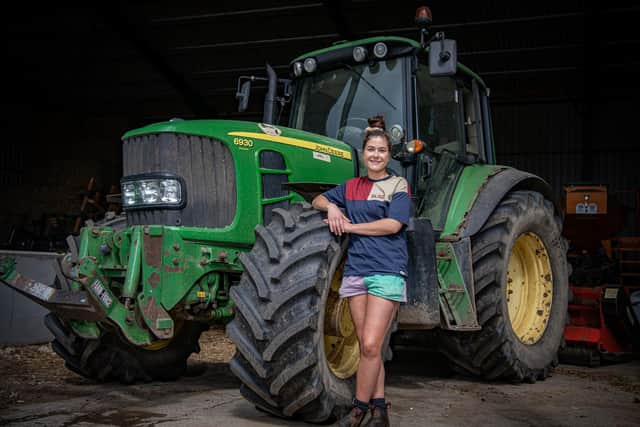

At 31, Wilson is bringing the plight and awareness of farming to an entirely new audience through her Instagram posts (she has more than 50,000 followers rebeccawilsonfarming) pod casts and media appearances.
Last year she was named by the Sunday Times as one of the “Most Powerful 30 Under 30” and won the Influencer of the Year award at the National Women in Agriculture Awards.
“It was a surprise to be included in the Sunday Times list. I am not really up on celebrities, but even I’d heard of people on the list. But what was more important to me was that someone from agriculture was recognised and that says a lot.”
Wilson grew up on the family farm near Marton-cum-Grafton with her twin sister Rosie who is also newly wed and works at Bentham Livestock Market.
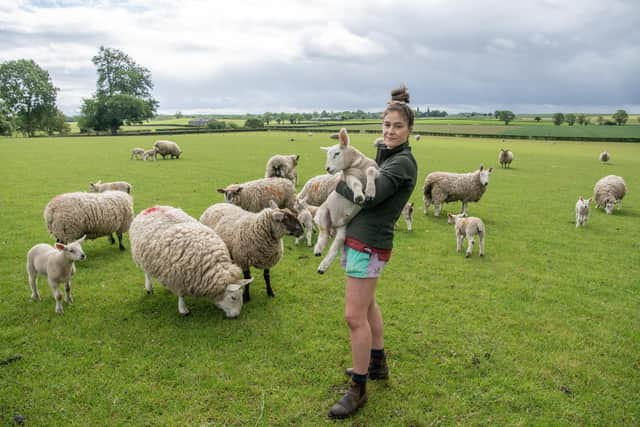
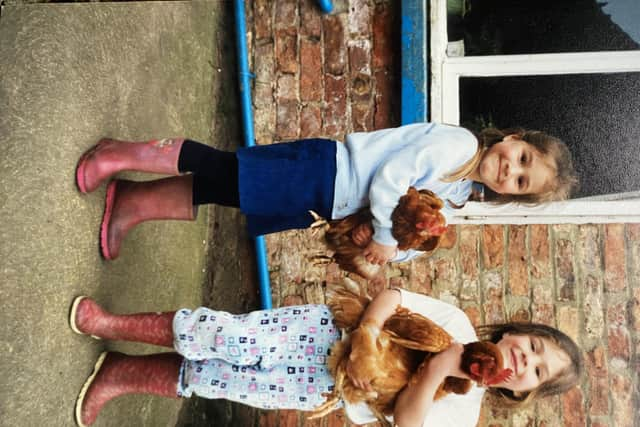
"It was an idyllic childhood,” she says. “There are pictures of us as children with a hen under each arm – we even put lambs on leads. We had so much space and time even though it was busy.”
It also meant that she has an unquestionable link between what the food we eat and how it is produced.
After school she studied Human, Social and Political Sciences at Cambridge University.
"It wasn’t really the kind of thing that farmers did, people say you don’t need to be clever to be a farmer, but that is doing farming a disservice.
"At the end of the day it is about running a business, keeping a breast of new technology and advancement in farming techniques, vaccinations.”
Having completed her degree at Cambridge, she decided not to follow her friends to grad jobs in London, enrolling on the Rural Estate Management Masters programme at Cirencester’s Royal Agricultural University instead.
“Working in London just wasn’t for me,” she says. “But I still wanted a successful career but I also wanted to do something that would leave the door open to come back tot he farm.
"Going to Cirencester was a good way to do that. It did get me back to that more rural farming side of things.”
A number of jobs in rural industries followed until aged 25 a family illness meant she returned to work on the farm earlier than she had originally planned.
"It was meant to be for six months and my job were amazing and said I could go back but I knew the minute I was back on the farm that I absolutely loved it and it was where I belonged.
"In the five years since I’ve been back I haven’t had one day where I’ve thought I don't want to go to work this morning. That’s invaluable."
She never takes for granted the life on the farm even though times are very tough at the moment.
"Yes, farming is challenging particularly at the moment with all the things being thrown at us including the weather, but we are still incredibly lucky to live in such a beautiful place and have access to local produce every day.
“It might sound cliched but farming really is a lifestyle, you don’t get holidays, you work round the clock at busy times of the year and you make little to no money, but I am passionate about it and wouldn’t want to do anything else.”
She is also passionate about raising awareness with the public about how our food is produced and the challenges facing farmers today. But more recently, with changes in government policy towards farmers, in particular over inheritance tax, she is being seen increasingly as a spokesperson for the industry.
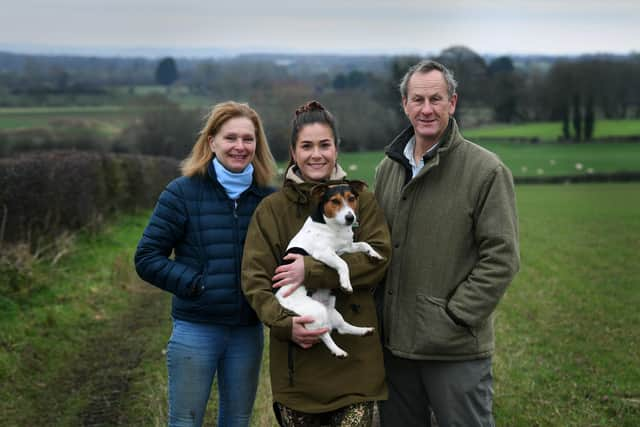
She admits this side of things does take her away from the farm more than she would like and she feels guilty leaving all the work to her parents, Mick and Liz.
But, she says, they have a great relationship. “I believe there has to be a balance between what I sometimes call my naive enthusiasm, and the knowledge of older generations.
"My parents are very forward thinking and do an amazing job. We are a Helix farm that means we trial new products all the time and we don’t want to lose sight of the fact that we are here to produce food.
"We love farming and we are proud of what we do here.”
Wilson says, like many farmers, she fell into the social media side of things.
"It really started as a way of explaining to people in the local area why we were doing certain things to help them understand but then it sort of took off."
She says she wasn’t completely prepared for the level of attention it garnered, farmers are notoriously private beings.
“I’m hardly famous – I’m not Jeremy Clarkson – but I did suddenly find myself in the limelight and as a farmer not really equipped to deal with it.
"But I did feel a responsibility to talk about certain things – either as a way of educating the consumer or as a way of making other farmers feel less alone or help them navigate a certain problem.
“The knowledge exchange has very much been two way. It isn’t just me posting something and someone learning from it. The amount of messages I get from other farmers – it’s so two-way.
"I also had a mum message me about her daughter who wanted to get a job in farming but didn’t come from a farming family. That someone has taken the time to message me I find it really humbling."
As well as posting about farming and running her podcast with Cumbrian dairy farmer Charlotte Ashley, she is very much in demand for political comment on farming matters.
"Farmers are quite private people and not many of them want to go behind a camera or get on a microphone, it’s not where there inclination or skills.
"I can’t remember the first time I was asked to be interviewed or be on the news but once you do it and can half hold a conversation people start to come to you.
"The political side of things was quite accidental but once you get embroiled in farming you understand just how damaging government policy has been in recent years – not just this government the previous government weren’t ideal. They just do not support food production.
"When the Inheritance Tax first came I did some interviews on the news and I got hundreds and hundreds of messages from people saying thank you. It was unbelievably moving.”
One of the biggest challenges, particularly for arable farmers at the moment along with the commodity prices, is also imported wheat.
"I don’t think it is widely known by the general public that wheat and cereals are being imported into the UK that aren’t grown to same standards as ours.
"There is even stuff coming in from all over the place including Russia which is under sanction. I wouldn’t want to farm to any lower standards but it is challenging for a lot of arable farmers to compete with the imports.
"Farming is rubbish at the moment but where there are those challenges I think you need to look for the opportunities.”
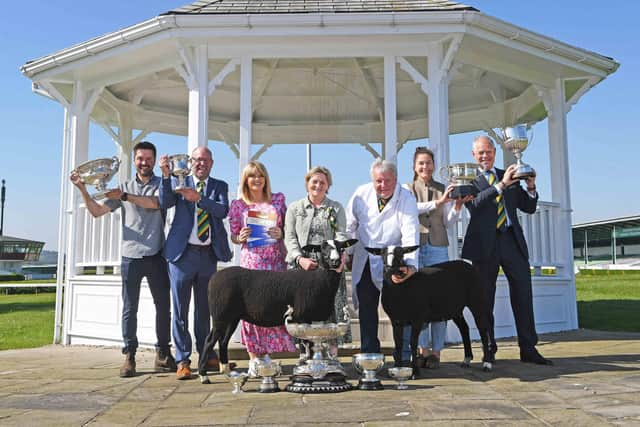
Wilson believes the Great Yorkshire Show, where she will be filming on Thursday, is invaluable in letting the public get up close to animals, and really connecing with whee our food comes from.