
Jabs plea as bluetongue virus causes ‘devastation’
A leading Northern livestock farmer has issued a plea for farmers to vaccinate their animals after witnessing “devastating” scenes at agricultural enterprises, as the bluetongue BTV-3 outbreak was confirmed as having spread to East, North and West Yorkshire.

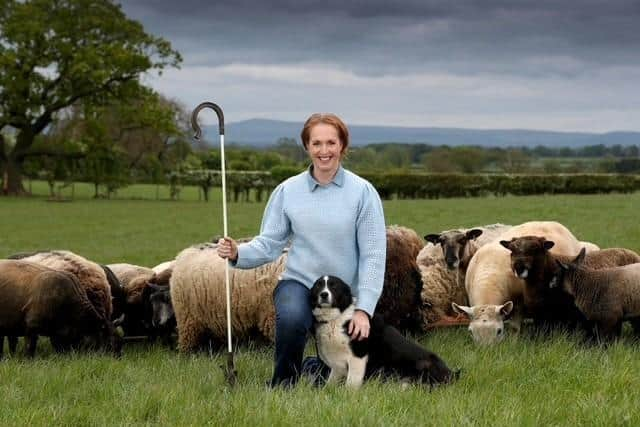
Speaking to the Yorkshire Post following confirmation of the escalating outbreak in the region NFU Livestock Board Vice-chair Clare Wise said while more than 600 cases of BTV-3 had been confirmed, including four in Yorkshire, there were a further 2,000 suspected cases being investigated.
Ms Wise, who co-runs a livestock farm near Darlington, described levels of concern about BTV-3 in the farming community as “extreme”.
She added: “It’s hugely concerning because the climate we’ve had this summer has meant the midge burden and viral burden that the midges are carrying is much more intense than anybody expected and is likely to last now until at least into October.

"The chances of it not getting to the North are near-on impossible.”
She said as the sale season for sheep continues animals from infected areas would be moved into uninfected areas, meaning the issue could be unintentionally compounded by farmers.
Experts say the strength and rapid spread of the outbreak is a result of bluetongue over-wintering for the first time in the UK last year.
Ms Wise said: "There is every chance this is a disease will become a disease that we have to vaccinate for for the foreseeable future.
“This has been the hardest summer as a livestock farm. We thought last summer was pretty tough with the drought. A lot of farmers haven’t got enough winter forage saved, there’s a financial implication there. We are managing stock the best we can, prioritising their welfare, but it’s costly and extremely worrying. We are now adding a disease we can’t stop as it’s spread by an invisible enemy the midges.”
The NFU urging farmers to talk to vets about getting vaccinated and calling the Government to provide funding for dead stock collection and palliative care costs in areas particularly hard hit by the outbreak. The union is also calling for on-farm inspections for those hit by BTV-3 to be suspended to ease the strain on farmers.
Ms Wise said while previous years had seen some European countries adopt national vaccination programmes, none had done so this year and with the vaccine costing up to £3.50 a dose it could be unrealistic ambition this year in the UK.
She said: “We definitely want to ask for that in future years, but now have a very small time frame for farmers to get that vaccine into their animals.”
“The farms that I have been to in the South-West that have not vaccinated and have had it have been absolutely devastated, in terms of the animal losses, mental health of the farmers. Please vaccinate.”
The Government has authorised three vaccines for BTV-3.
Farming Minister Stephen Morgan has said he recognises the outbreak had come at a particularly tough time for farmers and that he would work with vets, industry and devolved administrations to monitor the situation closely and respond as necessary.