
Labour accused of issuing ‘death sentence’ for many farms
Proposed inheritance tax changes could place an overwhelming financial burden on UK family farms, researchers have claimed.

The findings from the Country Land and Business Association (CLA) follow the government issuing assurances that “small farms” won’t be affected by the Autumn Budget proposals, which it expects to affect around 2,000 estates each year.
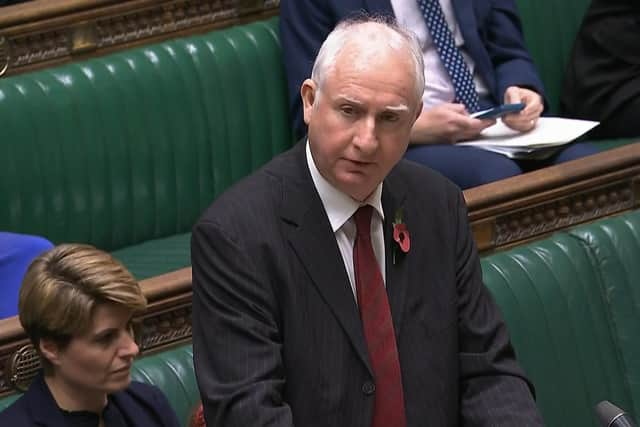
Food Security Minister Daniel Zeichner said: “Our commitment to farmers and the vital role they play to feed our nation remains steadfast."
However, CLA analysts have concluded the changes could prove a death sentence for many medium-sized farms.

According to the CLA, a typical 200-acre arable farm owned by an individual with an expected annual profit of £27,300 would face an IHT liability of £435,000.
If spread over a period of ten years, this would require the farm to allocate 159 per cent of its profit each year to cover the tax bill. To meet this bill, successors could be compelled to sell 20 per cent of their land.
Similarly, a 250-acre arable farm owned between a couple in the way the Chancellor expects to be possible with an expected annual profit of £34,130 would face an IHT liability of £267,000, amounting to 78 per cent of its profit each year over a decade.
Under the proposals, from April 2026, Agricultural Property Relief and Business Property Relief will be capped at £1m in total per owner.
Qualifying assets beyond this level will receive 50 per cent relief from inheritance tax, resulting in an effective tax rate of 20 per cent, after using the nil rate band of £325,000 and residence nil rate band of £175,000.
If a farmer is married, his or her spouse would be able to pass on their relief to their successor, but even farms owned by two people will be severely affected.
The CLA’s model highlights that family-run farms – typically asset-rich but cash-poor – would be forced at best into a cycle of stagnation, asset sales, or debt to cover this tax burden, threatening the long-term viability of the UK’s rural landscape and food security.
The CLA urges the government to reconsider these inheritance tax changes, which risk undermining the future of family farming across the country.
This comes ahead of Defra Secretary of State Steve Reed appearing at the CLA’s annual Rural Business Conference later this month (21st November), where he is expected to address farmers and rural business owners for the first time since this announcement.
Gavin Lane, CLA deputy president, said: “Either the government isn’t being honest with the public about the true impact of these reforms, or they don’t understand the nature of rural businesses. I'd like to believe it is the latter and that they are prepared to listen to our input rather than continually trying to dismiss it.
“While they frame this as a tax on the wealthy, the reality is that ordinary family farms will be hit just as hard. Asking farms to use their income to pay a huge capital tax bill over ten years, if indeed it is possible, will threaten the future of investment and the viability of the business.”