
Many of my patients fared better than their owners in our 'scorchio' summer - Julian Norton
It was a queer, sultry summer, I think we can all agree on that.
Every time we switched on the news, we were bombarded with new records of hotness, wildfires, droughts and catastrophe.
My email inbox was also bombarded by requests from optimistic journalists looking for soundbites from a vet-off-the-telly, to warn of the dangers of hot weather to dogs, cats (?) and rabbits and to suggest ways to reduce their risk of overheating.
Most of these questions seemed to have obvious answers so, generally, I didn’t see the need for me to add to the general level of panic that prevailed.
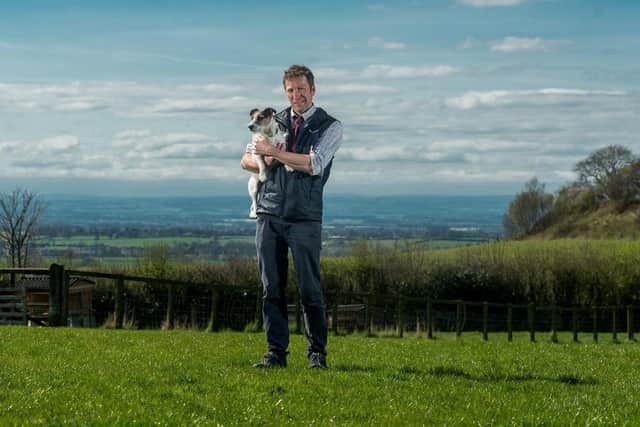

Avoiding walks in the hot part of the day, providing fans and possibly even cooling mats were all solutions that were already well known.
During a stay at the vet school in Philadelphia, I learned a trick of feeding hot dogs ice cubes, which is a good tip.
As autumn approaches, it’s a good time to reflect on the hot spell we’ve experienced (or, endured as some commentators would have it).
Yes, at times it has been very hot and sticky. I’ve taken to wearing shorts to work for most of the last few months, which is something former bosses would have had apoplexy over.
Some colleagues initially raised their eyebrows, and “You’re looking very summery,” was a frequent comment from clients, but quite quickly people stopped noticing whether my trousers were long or short.
There was one day, when the forecast was less than Mediterranean, that I reverted back to standard full-length trousers.
With a feeling of claustrophobia around my limbs, and the temperature rising again, it was close to a disaster.
I had to ask Anne to bring in my shorts when she arrived mid-morning (on her day off) for a meeting.
“I’ve made a terrible mistake!” I said, which was maybe exaggerating the circumstances somewhat.
But how have the animals coped, I hear you ask. In my experience, this hot summer has been remarkably well tolerated by most of our patients.
Keen viewers of The Yorkshire Vet will have seen the story of a bull called Pedro who was suffering from sunburn.
More technically this condition is called photosensitisation which caused severe cracking of the skin, with the top layer sloughing off.
It’s actually caused by the build-up of photoactive chemicals in the skin layers and, counterintuitively, isn’t necessarily caused by very strong sunlight, although affected cattle do need to stay inside until everything is healed.
I once treated a bull who was suffering from heat stroke, after a particularly busy afternoon serving cows under the hot, mid-day sun.
As the thermometer rose to new heights, the diagnosis was easy. The treatment was not necessarily technical and involved multiple buckets of water from a nearby stream.
Generally, farm animals are sensible enough to relax and graze or restfully ruminate during hot weather, but it’s the pets who can overdo it.
Their enthusiasm for playing with balls, or running around can be hard to reign in.
Dogs can only cool down by panting – increased breathing rate and a long, extra pink tongue hanging conspicuously towards the ground, allow moisture to evaporate in a similar way to the cooling effect of sweat on a hot human’s skin.
This system generally works well, but it puts extra pressure on the cardiopulmonary system, so dogs with compromised airways (for example flat-faced breeds) or those suffering from heart problems (like my Emmy) undoubtedly have problems, as do big or fat dogs, for whom evaporation from the tongue as a sole means of cooling can prove inadequate.
Thankfully, awareness of these issues is much greater than in times past and I think, despite a “scorchio” summer, most of our patients seem to have fared better than their owners.