
Marking pheasant shooting’s ‘far-reaching contributions’
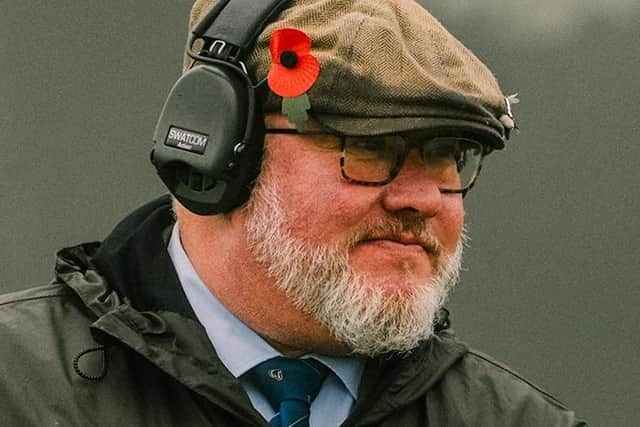
The Northern director of the UK’s largest shooting organisation has heralded the start of the pheasant shooting season, saying it is worth celebrating the tradition as well as “far-reaching contributions it makes to our economy, our countryside, and our wellbeing”.

BASC North director Duncan Thomas said while Yorkshire remained a county synonymous with wide rolling farmland and enduring rural traditions, pheasant shooting was an institution that brings people together, reinforces a connection to the landscape, and supports habitats that would otherwise face neglect.
He said: "At a time when wildlife conservation, mental health, and sustainable rural economies are rightly at the forefront of public discussion, shooting exemplifies an activity where these priorities intersect.”
Mr Thomas’s comments follow a report by Animal Aid and Chris Packham earlier this year warning that the shooting industry and the release of millions of pheasants each year is killing the countryside. Mr Packham said: “These birds are not native to the UK, and many of them are ‘factory farmed’ – bred to be shot. The sheer scale of these mass releases is truly astounding and should alarm anyone who cares about Britain’s wildlife.”

While North Yorkshire comprises numerous pheasant shooting estates, it is thought the YO61 postcode district near Easingwold has over a million pheasants farmed in the area. The neighbouring postcodes of YO62 and YO18 on the North York Moors see about 600,000 more pheasants reared annually.
Campaigners argue there is increasing evidence the number of pheasants is having negative ecological impacts, altering the structure of hedgerows, causing significant changes in invertebrate communities and leaving long-term impacts on woodland species diversity and structure.
They have also questioned whether there is a link between the vast increase in pheasant numbers since the late 1960s and the 56 per cent decline in farmland birds observed since 1970.
However, Mr Thomas said responsible shooting relied on respect for the natural environment and highlighted BASC’s work to ensure shooting is conducted safely, sustainably, and inclusively. He said for many, the pursuit of game is more than a seasonal activity; it is a lifestyle that fosters a connection to the countryside and a responsibility for its stewardship.
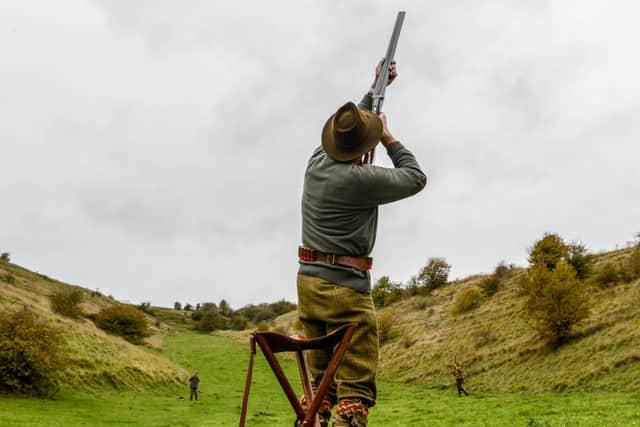
BASC says shooting providers and volunteers carry out £500 million worth of conservation work every year, equivalent to 26,000 full-time jobs and 14 million workdays.
Mr Thomas said: “The impact of this work is tangible: habitat management and conservation are maintained across 7.6 million hectares of the UK, a scale that would be impossible without the shooting community.
“This stewardship protects biodiversity, improves woodland habitats, and supports countless species, from farmland birds to pollinators and other wildlife. In this way, shooting represents not only recreation but a cornerstone of practical environmental management.”
He added the benefits of shooting extend to human wellbeing, with recent surveys showing three out of four people who take part in shooting say it is important to their personal wellbeing, with most reporting positive effects on both physical and mental health.
Mr Thomas said: “The experience of walking the countryside, engaging in a disciplined and mindful pursuit, and spending time with friends and family all contribute to reducing stress, building resilience, and promoting a sense of community.”