
National Rural Crime Network summit highlights extra impact rural areas
Vulnerable farm and rural businesses need distinct approaches to those used in urban areas, North Yorkshire’s top police officer has told the National Rural Crime Network conference.

Chief constable Tim Forber told the conference in York the force was seeing a “constant evolvement of tactics by offenders” in rural areas and that rural crime in North Yorkshire looked like “the theft of vehicles and machinery, high-value equipment, tractors, quad bikes, plant machinery, tools”, adding police were frequently seeing the quad bikes being exported abroad.
After the conference was told how a study by York and North Yorkshire Mayor David Skaith last year had revealed most of the area’s 7,000 farms were not making a sustainable profit, Mr Forber said the impact of rural crimes on farmers struggling to be viable could be “life-changing for small family-run businesses”.
Mr Forber said his two years in the leading role in North Yorkshire had taught him the severe impacts of rural crime.
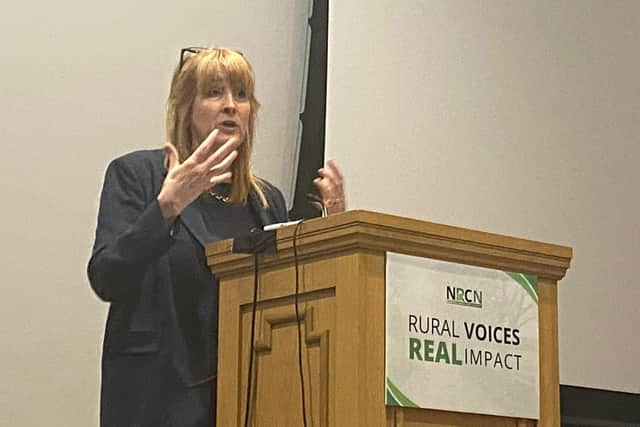

He said: “I once had my car stolen when I lived in Liverpool many years ago. I phoned the insurance company and got the bus to university. And that was it. Well compare that to a member of a rural community who can’t get their child 15 miles to school and can’t get anywhere because there is no bus network. The impact is huge. Not all vehicle theft is the same, it is very different in the rural community. The downtime caused by stolen vehicles doesn’t just delay operations, it threatens livelihoods.”
Outlining the Government’s response to rural crimes, the Minister for Policing and Crime, Sarah Jones, then told the conference the Government recognised how neighbourhood policing had been “decimated in recent years and then built back, with a lot of our officers remaining behind desks”.
She said large-scale investments in technology and AI over the next couple of years would free up about 3,000 full-time officers.
Announcing a Government pledge to fund £800,000 for the National Rural Crime Unit and National Wildlife Crime Unit for the coming two years, Ms Jones said expertise and shared good practice would be driven from the units, highighting how they had led to £15m in recoveries, while Operation Galileo had a 40 per cent reduction in hare coursing offences.
She said as high-value farm equipment was currently “so vulnerable”, the Equipment Theft Act would be put into force this year, as well as introducing a Crime and Policing Act, which will give police powers to recover stolen equipment and machinery by entering and searching premises which have been connected to electonically tracked GPS systems.
However, a delegate told the minister the investment she had heralded represented “a drop in the ocean” compared to the £44m cost of rural crime in England in 2024.
Ms Jones said she had been looking at the NFU crime reports and Government statistics and it was clear rural areas were facing a rise in “organised, serious persistent crime”.
She said: “We need to tackle that crime alongside the impact that that crime has in our communities, whether that’s the mental health of our farmers or the isolation and vulnerability of victims of domestic abuse.
"There are lots of very specific issues we need to really focus on when it comes to rural crime, whether it’s specific crime that just happens in rural areaas or wider crime. But how differently we need to think about it in different communities.”