
Pig farmer's optimism despite 'rolling' animals as backlog bites
A lifelong pig farmer has spoken of his optimism for the sector amid a toughening market, as an excess in supply has led to lengthy backlogs on farms and several months of falling prices.

Nidderdale Show president John Dale was speaking as Bradford-based supermarket chain Morrisons gave notice to numerous pig producers, citing a “challenging economic climate”, including long-term suppliers to its Woodheads abattoir, in Lincolnshire.
Excess supply, fuelled by more sows being put down, favourable weather and strong breeding performance, as well as weak demand, exacerbated by factory stoppages, has left producers “rolling pigs” and finding it difficult to offload heavier pigs.
The supermarket’s Myton Food Group said it was consolidating its processing volumes leading to the reduction the number of pig producers in its supply chain.

The National Pig Association said there were reports of the retailer alerting other producers it would reduce volumes it buys.
A Myton spokesman said: “We understand the impact this news has on individual farming businesses, and our goal is to handle these exits with as much clarity and fairness as possible.”
It remans unclear how many producers will be impacted in Yorkshire. However the latest official figures underline the importance of the sector to the region, which was producing 1.4 million pigs last June, making up 40 per cent of England’s total.
Defra figures also show UK pigmeat production increased by 11 per cent year-on-year in March to 89,000 tonnes, adding further pressure to an already oversupplied market.
Agriculture and Horticulture Development Board figures show the three months to the end of March saw UK pigmeat production rise by 5.3 per cent on the previous year, with average carcase weights climbing 3kg to 94.2kg, over the previous year earlier.
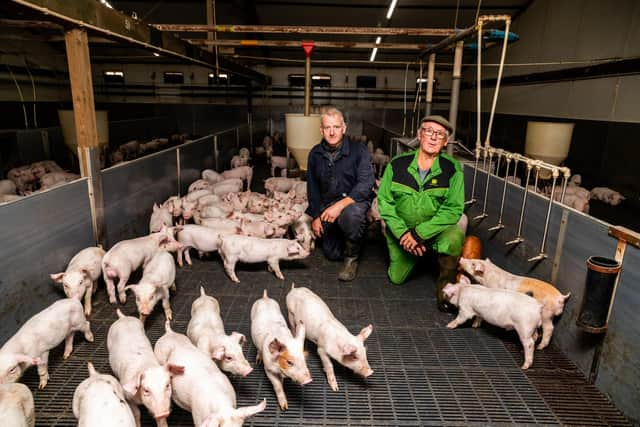
Mr Dale, whose bed and breakfast operation at Bishop Thornton, near Ripon, receives 800 newly-weaned piglets every four weeks, said while the enterprise had been shielded from the spiralling input costs, the low demand was impacting on the high turnover enterprise.
He said: “We’re rolling pigs, so they get heavier, and you’re in a no-win situation. The saving grace is that the feed has been cheap, which isn’t much help to the arable farmer. We’d have been in serious trouble if we were having to pay another £40 a tonne.”
Mr Dale said the pig sector’s troughs were outweighed by its peaks and that pig producers had become increasingly specialised over the past two decades, making them more committed.
He said: “The one thing about pigs is when things come right, they come right in a big way. They’ll come right, there’s no doubt about that.”
Morrisons’ announcement came ahead of the mid-August deadline for all existing contracts to comply with the Fair Dealing Obligations (Pigs) Regulations. The regulations, which became law last August, require thatand all new pig‑purchase contracts must be in writing, signed, and to include clearly defined terms on pricing, duration, volumes, termination and dispute resolution.