
Pig industry fears over changes to visa scheme
Industry leaders have sounded the alarm for enterprises behind one of Yorkshire’s most important agricultural products after the introduction of stricter regulations to the UK’s Skilled Worker visa scheme.

The National Pig Association (NPA) and British Meat Processors Association (BMPA) has urged the government to reconsider changes to the Skilled Worker scheme regulations, which came into effect on July 22 as concerns mount the rules will impact on farms which are reliant on overseas staff.
Salary requirements for work visas have been raised with the minimum salary for Standard Skilled Workers will increase by £3,000 to £41,700.
BMPA chief executive Nick Allen said: “It is a major concern and utter frustration for us that they keep turning the screw and making things more and more difficult, without really addressing the major problem of immigration.”
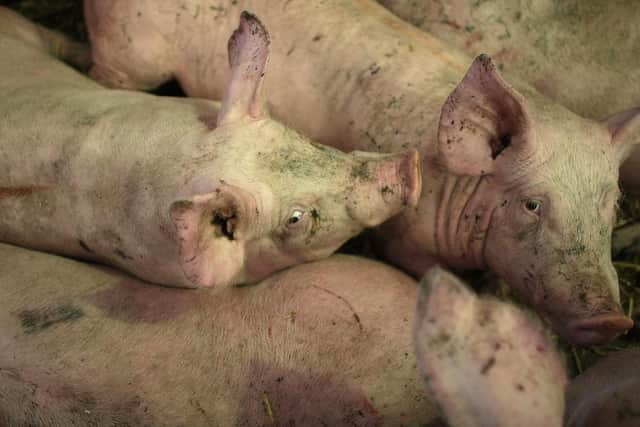

The calls come three years after farmers staged a demonstration outside York's Department for Environment, Food and Rural Affairs building, following a shortage of butchers which left farms overflowing with piglets and led to widespread culling.
The NPA said following the post-Brexit pig sector labour shortages that contributed to the pig crisis of 2021 and 2022, the Skilled Visa route had served as a viable, if expensive, alternative for pig businesses.
It said pork processing plants and some farms had brought in workers from the Philippines through the scheme.
In 2023, the largest contributors to the Yorkshire region’s agricultural output value of £3.3 billion were pigmeat, at £572 million, poultry, at £394 million and wheat at £363 million.
Although pig farms only account for 4.2 per cent of the region’s holdings, the region accounted for 40 per cent of the English pig population.
Defending the restrictions last month, Home Secretary and MP for Pontefract, Castleford and Knottingley Yvette Cooper said: “These new rules mean stronger controls to bring migration down, to restore order to the immigration system and ensure we focus on investing in skills and training.
"As part of the Plan for Change, we can build an immigration system that serves the needs of the British economy and people – one that values skills, tackles exploitation, and ensures those who come to the UK make a genuine contribution.”
Meanwhile, pig farmers across the region have welcomed Red Tractor’s confirmation it will press ahead with new outdoor-focused modules for pig production.
The food assurance scheme said a consultation based on responses from those responsible for 90 per cent of the English sow herd had indicated significant support for the recognition of outdoor production systems, such as pigs finished on straw or free-range systems.
Former Ripon farmer Stewart Houston, chair of the Red Tractor Pigs Sector Board, said it would initiate the industry’s request to develop tiered standards, cutting the need for compliance to multiple assurance schemes