
Plan to control deer numbers to help protect woodland
The Government has outlined plans to make it easier for land managers to control high deer numbers that are having a major impact on woodlands.

While officials said it was important not to “demonise” deer, the six native and non-native species found in England are having a profound impact on landscapes, other wildlife, tree planting to store carbon and tackle climate change, commercial forestry and agricultural crops.
A third of English woodlands are now in unfavourable condition because of the impacts of deer, an increase from just under a quarter (24 per cent) in the 2000s.
And current management approaches such as fencing and plastic tree guards have failed to prevent increasingly negative impacts, officials said.
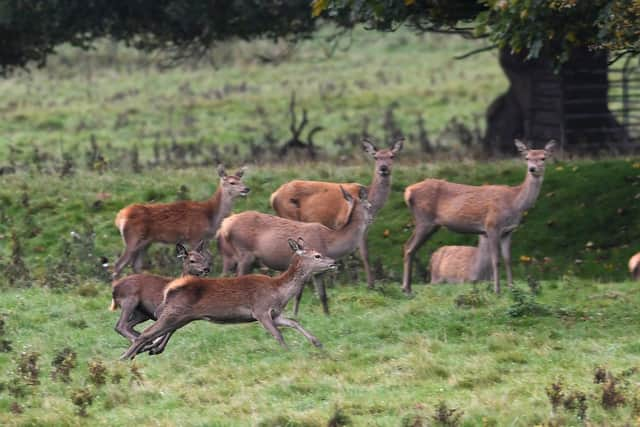

Without sustainable management, serious damage to new and existing woodlands, habitats and wildlife will worsen, timber crop values will be hit and damage to crops, deer vehicle collisions, Lyme disease and poor welfare for wild deer will all increase, the Environment Department (Defra) said.
Defra’s long-awaited deer plan sets out ways to help landowners control deer numbers where needed, warning “lethal control” is necessary in many areas to manage impacts of the animals.
The plan also includes support for the wild venison market, including backing standards to boost consumer confidence, exploring public procurement options for venison and funding facilities for collecting and processing venison from the wild.
Under the plans, all public land will have to have deer management plans by the end of the 10-year initiative, monitoring and management will be mandatory under environmental land management schemes and and there will be stronger requirements in felling and replanting licences.
Licences for night and close season shooting will be streamlined so more landowners and managers can take action, and there are plans to enable tenants and owners or occupiers of land legal rights to shoot deer to protect crops and property.
But Defra said it has no overall targets for reductions in national or regional deer populations.
There will also be a particular focus on non-native muntjac deer, which have spread throughout England since their introduction a century ago, with the fast-breeding species causing damage to ancient woodlands.
Deer are found in every 10-kilometre grid square in England, with two native species – roe and red deer – as well as non-native fallow deer, Chinese water deer, sika deer and muntjac.
They have benefited from no natural predators apart from humans since the disappearance of wolves and lynx, warmer winters and conditions in the countryside that suit them, Forestry Commission national deer advisor David Jam said.