
Poor harvest yields see many farms hit by cashflow crisis
Farming industry analysts say last year’s disappointing yields compounded by weaker returns have left many well-run Yorkshire farms facing a cashflow crisis.


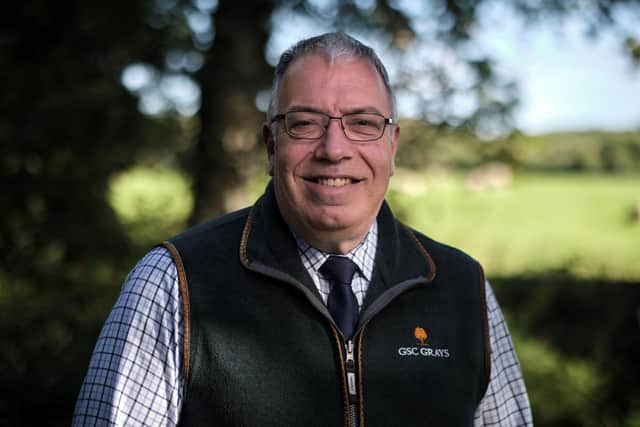
Farm business consultant Robert Sullivan, a director of North Yorkshire-based GSC Grays has warned that while most of the businesses only needed “a bit of support” from the banks to get them to this year’s harvest, the majority of farms no longer had a dedicated bank manager who knows their operation well.
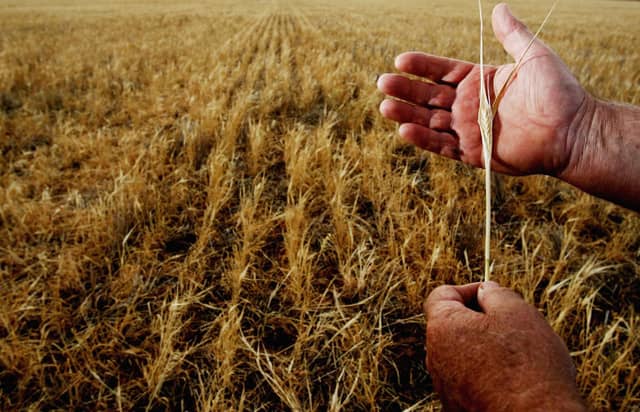
Last year’s harvest of wheat, which is Yorkshire’s most important crop with 192,000 hectares grown in 2024, had an average yield estimated at 7.6t/ha, 6.1 per cent below the 10-year average, with significant variability between and within farms.
Although some farms in the region performed well, many others experienced one of the worst years on record.
In November, the NFU emphasised the volatile nature of farm business income must be acknowledged by the government and that the significant variation made planning and investment difficult.
It said with cashflow already tight due to the weather, additional costly inputs and further reductions in direct payments, the NFU was “continuously making the case” to the Rural Payments Agency that it needed to significantly improve its payment performance.
NFU President Tom Bradshaw said: “If farm businesses are to successfully navigate the challenges outside our control, there has to be greater stability in our own domestic policy. While arable prices will always be determined by the global market, there are decisions that our government has taken around the US trade deal and bioethanol that have dramatically reduced demand. There are also decisions it can take in the future negotiations around the EU SPS deal and access to scientific solutions for gene-editing and plant protection products.”
Last month, Baroness Minette Batters’ farm profitability review highlighted how one in three farms operated at a loss from core food production, resulting in a dependency on subsidies or off-farm income to survive. It followed a report commissioned by Mayor David Skaith published last summer revealing more than half of the 7,000 commercial farms in York and North Yorkshire were not making a sustainable profit.
Mr Sullivan said following “a very mediocre 2025 harvest”, with both yields and prices per ton down, many farm businesses across North Yorkshire had been left facing a cash shortfall. He said: "From my conversations with several clients who run fundamentally sound, well-managed family farming businesses across the region, it is clear that the impact of the harvest has been significant and in many cases, they will need to borrow to bridge the gap.”
Mr Sullivan said in response to the situation the firm had held discussions with the major banks to identify a practical solution to help support farm businesses secure short-term funding.
He said: "We recognised the majority of these farms do not need or want a full, detailed budget and cashflow projection, but they do need professional support in presenting their financial position clearly to lenders. That is why we have developed the new Budget Lite service, to help farm businesses secure short-term funding and alleviate current financial pressures. Rather than doing a full-blown budget and cash flow and detailed analysis, which is a more costly exercise, we’ve stripped the product that we normally use down to the bare basics but which still provides the key information needed by their bank manager."