
Rachel Reeves to massively limit community legal challenges to mega solar farms
Parliament will be given the power to approve solar farms that produce more than 100MW (megawatts), nuclear energy infrastructure and wind farms.

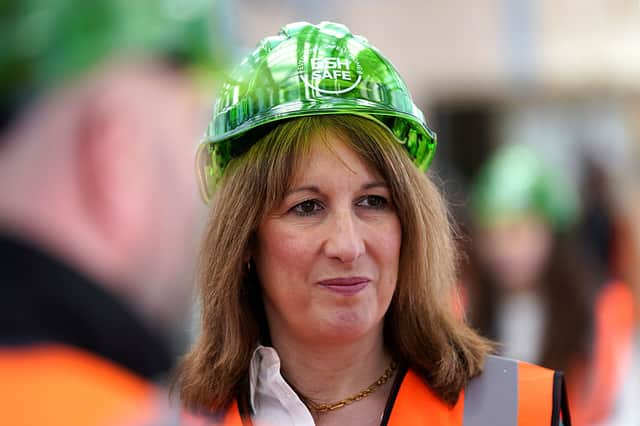
Rachel Reeves is set to block communities from using legal action to halt mega solar farms - such as the controversial Whitestone project in South Yorkshire - except in the narrowest of circumstances.
The Chancellor is set to bring in powers to drastically limit the use of judicial reviews on nationally significant infrastructure projects (NISP) for clean energy on all but human rights grounds.
Instead Parliament would be given the power to approve solar farms that produce more than 100MW (megawatts), nuclear energy infrastructure and wind farms.
Ms Reeves believes this would boost the UK's energy security, drive down consumer bills and support the Government's economic growth mission.
A Treasury spokesperson said: "For too long, vital infrastructure delivery has been delayed by judicial reviews of projects the country needs.

“The Chancellor won’t stand for it any longer and is bringing forward bold changes to support delivery.
"She is clear that Parliament must take back control - to get Britain building the power plants, wind farms and grid connections that will bring bills down, strengthen our energy security, and deliver growth in every part of our country.”
However, campaigners say this will block an “inalienable right” of objection from local communities to solar farms.
Yorkshire has seen a huge number of clean energy proposals due its terrain and easy access to the grid.
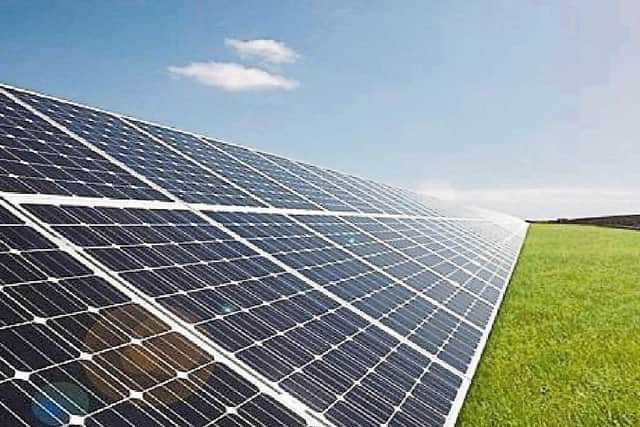
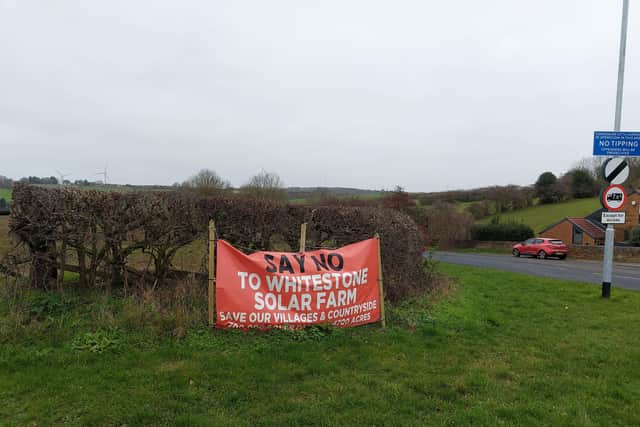
Whitestone, which is three huge solar farms across Conisburgh and Rotherham, is one of the most controversial, and has been objected to by Defence Secretary John Healey, Labour’s Rother Valley MP Jake Richards and South Yorkshire Mayor Oliver Coppard.
Philip Knight, secretary of Save our Greenbelt Conisbrough Parks, said: “This is a further encroachment on people’s rights to object.
“I get the fact that they want to build and not have obstacles in the way, but equally there’s got to be the ability for people to object if there are reasonable grounds.”
The full planning application for Whitestone is expected to be published next week.
The Government also wants to allow smaller energy projects to apply directly to the Planning Inspectorate, and bypass local councillors.
While the couple failed in stopping the project, which will cover around half of their farmland, they said communities should still have the power to object.

Mrs Sturdy, 47, told The Yorkshire Post: “Solar farms have the potential to massively transform communities, the natural environment, the countryside and the landscape where we live and work and thrive.
“When something so huge impacts people’s everyday lives, they must have every right to question and to challenge decisions.
“The power imbalance is so distorted at the moment between landowners and communities.”
Gemma Grimes, of trade body Solar Energy UK, said: “There is an urgent need for Britain to get off foreign oil and gas and move to energy independence – primarily using wind and solar power.
“The conflict in Iran, and the ongoing war in Ukraine, have shown how vital energy is to all aspects of our lives, how it impacts on costs across the economy, and how important it is to keep our energy costs down.
“Solar and wind are the UK’s lowest cost forms of energy, and it makes sense that these projects are not unduly delayed.
“These reforms will enable solar and wind projects, along with much-needed grid infrastructure, to be built out faster.
“The practice of launching meritless legal challenges against projects, after the conclusion of a thorough planning process, has led to unnecessary costs to the taxpayer.”