
Senior Tory urges Government to U-turn on controlled burning clampdown amid wildfires
Last year, the Environment Department (Defra) put significant restrictions on controlled burning to tackle wildfires.

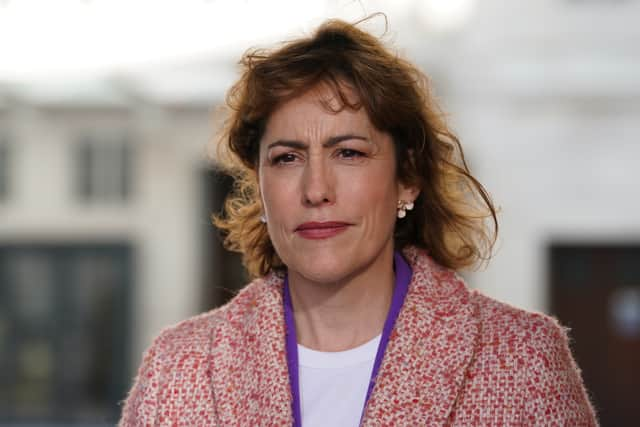
Victoria Atkins has written to the Environment Secretary, urging the Government to allow controlled burning to tackle the wildfire epidemic engulfing Britain.
Last year, the Environment Department (Defra) put significant restrictions on this method of controlling blazes.
Land owners have to apply for consent to Defra or Natural England through a licence, which experts say is “incredibly difficult to obtain”.
In September, Defra ignored concerns from firefighters and academics over wildfire risk to ban controlled burning of heather on peatland at a depth of more than 30cm rather than the previous 40cm limit.
In her first correspondence with the new Environment Secretary, Dame Angela Eagle, Ms Atkins, her Tory counterpart, urged her to relax these measures.
She said: “With climate change driving more frequent extreme weather, and international instability growing, the Government must prioritise our food security, water security and protecting communities from wildfires, extreme temperatures and flooding.


“As I send this letter, half of England is in drought. This July is set to become England’s driest month on record and major wildfires are burning across our countryside.
“It is in this context that I urge you to take immediate action by reversing last September’s decision to prohibit heather burning on our moors, despite advice from the National Fire Chiefs’ Council, environmental scientists and conservationists that managed burns are an important tool for reducing wildfire risk.”
Controlled burning is used on some moorlands to tackle fire risk, as the vegetation and wild fire fuel is burned away.
Land managers have carried this out for centuries, and the process does not damage peat when well-executed.
They say the current dry vegetation across moorlands is acting like a tinder box amid the scorching weather.
Ahead of the changes, the NFCC’s preparedness chair, John Roberts, of the West Yorkshire Fire and Rescue Service, said the Government risked “larger, more intense wildfires”.
The record breaking heat in July saw around 400 wildfires, according to the NFCC, up from 17 in June.
The fire severity index across the whole of Yorkshire has been cranked up to “very high”, with the Met Office predicting another heatwave this week.
North Yorkshire Fire and Rescue Service responded to 23 incidents on the overnight shift over the weekend, while West Yorkshire firefighters had to urge the public not to make non-emergency calls due to high capacity.
A Defra spokesperson said: “Burning vegetation on moorland releases harmful smoke that can affect air quality across wide areas, which is why in September 2025 the government extended restrictions on burning, unless under licence, to nearly 700,000 hectares of deep peat.
“Wetter, healthy-functioning peatlands are more resilient to the impacts of wildfire, but licensing allows land managers to apply for a licence to burn where no feasible alternative exists.”
The Prime Minister’s official spokesperson confirmed that the National Drought Group met again yesterday, led by Water Minister Emma Hardy.
He said: “Ministers are monitoring the situation closely, they are in close contact with the organisations and agencies leading the response.
“The Environment Agency has stepped up monitoring and is working closely with water companies, farmers and local partners to manage pressure on water resources.”