
Study to create more resilient crops
Researchers are investigating how plants use “natural genetic engineering” to borrow genes from other species and adapt more quickly to environmental change.

The University of Sheffield study is exploring how often lateral gene transfer (LGT) occurs in nature and how it helps crops like wheat and maize adapt to pressures like drought and climate change.
Findings from the research could pave the way for the creation of more resilient crops, helping to improve global food security as a further report this week concluded about half of the world’s population may not be able to access healthy food.
The Lancet report indicates inequities in human health have been made worse by geopolitical conflicts and climate change. In addition, it found the world’s food system — contributing to 30 per cent of greenhouse gas emissions — is the main driver of challenges the planet faces by impacting climate, biodiversity, land use change, among others.
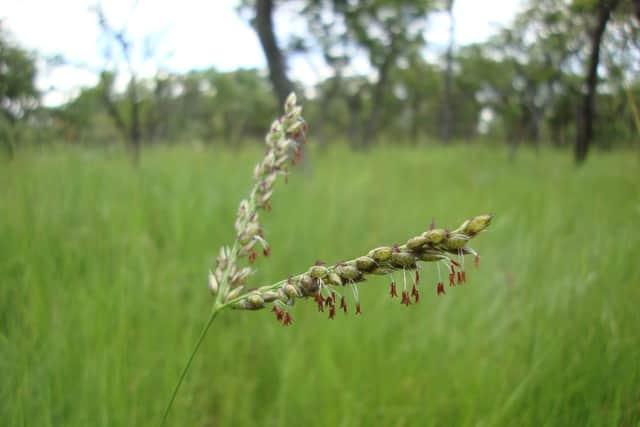

The University of Sheffield research builds on new evidence that gene sharing between species is far more common in plants than previously thought.
Scientists will examine how plants can accelerate their own evolution through a process of "natural genetic engineering", which means viewing genetic change as a coordinated cell biological process, the reorganisation of discrete genomic modules, resulting in the formation of new DNA structures. Examples of natural genetic engineering continue to increase, and the concept can be used to integrate observations which demonstrate the similarity between in vitro genetic engineering and the action of in vivo agents of genetic change.
It is a class of process first proposed by US molecular biologist James Shapiro in the 1990s to explain for novelty created in the course of biological evolution.
The groundbreaking research will focus on LGT, a process where plants acquire useful genes directly from other species, transferring material between different organisms without reproduction, providing new traits and driving evolution.
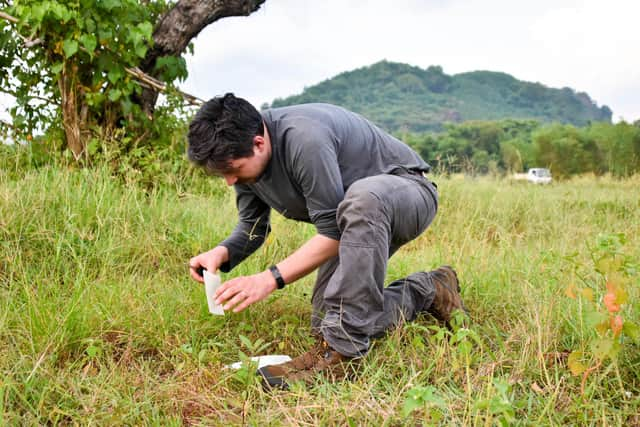
Unlike the slow process of random mutation and natural selection, LGT could allow plants to bypass traditional evolutionary pathways and respond more quickly to environmental pressures.
While it has long been understood that evolution happens through the gradual accumulation of random mutations, this research aims to understand a more dynamic process.
LGT involves the direct movement of genetic material between organisms without sexual reproduction. Though well-known in bacteria - where it spreads traits like antibiotic resistance - the role of LGT in plants is only now being fully explored.
The study, led by Dr Luke Dunning, will use grasses as a model system to understand LGT in a natural setting. Previous research by Dr Dunning has proven that LGT is widespread in grasses and they are also of great ecological and economical importance including crops such as wheat and maize.
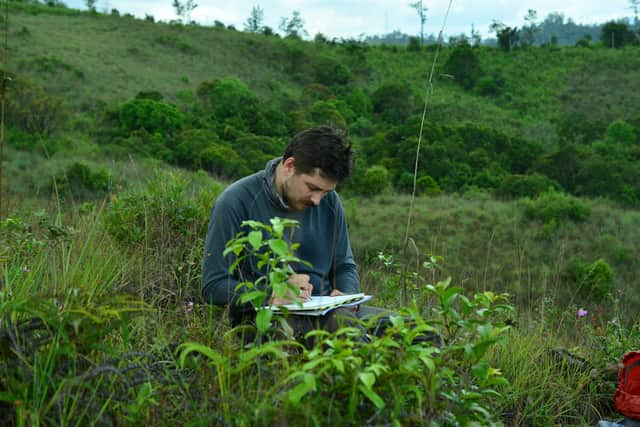
By uncovering how natural genetic engineering works in these species, researchers hope to provide insights that could support the development of crops more tolerant to drought, heat and poor soils.
Dr Dunning said: “This project will have significant implications for global food and agriculture challenges. By understanding natural genetic engineering we aim to provide a new framework for how plants naturally adapt to a rapidly changing climate and inform the creation of more resilient crops.
“If we can uncover how plants share and integrate genes, we can better understand how crops like wheat and maize adapt - knowledge that could ultimately help ensure stable food supplies in the face of climate change.”
The research team at the University of Sheffield’s School of Biosciences, which is ranked among the UK’s best for biological research, will seek to answer three fundamental questions:
How does it happen? The team will test whether LGT in grasses is driven by reproductive contamination - where DNA from a third-party is introduced during sexual reproduction.
How often does it occur? The researchers will quantify the background rate of LGT in natural grasslands to understand its significance in driving rapid adaptation.
Where do the genes go? The study will investigate whether foreign genes are inserted into specific, non-random locations in the recipient plant’s genome, a crucial factor for their successful integration and function.
The £950,000 project is funded by the Natural Environment Research Council.