
The dedicated volunteers who keep Yorkshire's agricultural shows alive
Dedicated teams of volunteers and staff are the only way agricultural societies can survive, it has been warned, despite growing popularity for country shows.

There are said to be some 63,000 volunteers associated with agricultural shows throughout the UK, alongside 2,100 full-time and 10,800 temporary staff.
Hundreds of registered events make up the show season calendar, with around 60 in Yorkshire alone. Their success is at the mercy of the weather, a good crowd, strong entries and one of their biggest challenges - having enough volunteers.
Malton Show, first held in the early 1870s, is one of the region’s most well-established and respected shows, but shocked the show world in January, when it announced it wouldn’t take place this year.
Organisers said running costs and not being able to fill positions as people are not “willing to give up time” were behind the decision and added that if it were to run in 2027, it would need to recruit a show secretary, trade stand secretary, main ring and entertainment secretary, sponsorship secretary and membership secretary.
The show also needs 10 hands-on volunteers to help with setting up the showground, putting up fencing, car parking and helping trade stands getting to pitches.


David Tite said: “Malton Show has been going for donkeys years and has a great reputation. That is a prime example of the risk to agricultural shows. If they can’t get people to fill the positions, they can’t run and that is a terribly sad situation.”
“Bigger shows have a dedicated team of staff and huge wealth of stewards, who are second and third generation, working with agricultural societies. Smaller shows are all volunteers who again might be third or fourth generation. It is the only way agricultural societies survive.”
Catherine Park-Peyton, chair of Aldborough and Boroughbridge Show, says one reason show committees are getting smaller is computers and AI being able to do a lot of the work previously done by people. However, technology doesn’t cover the manpower needed on show day and the build-up, she added.
Appealing for more volunteers to join their local and village shows, Aldborough and Boroughbridge and Otley Shows have seen new volunteers get involved and from all walks of life.
The secretary of Aldborough show lives in France, for example, while others helping are not from farming backgrounds.
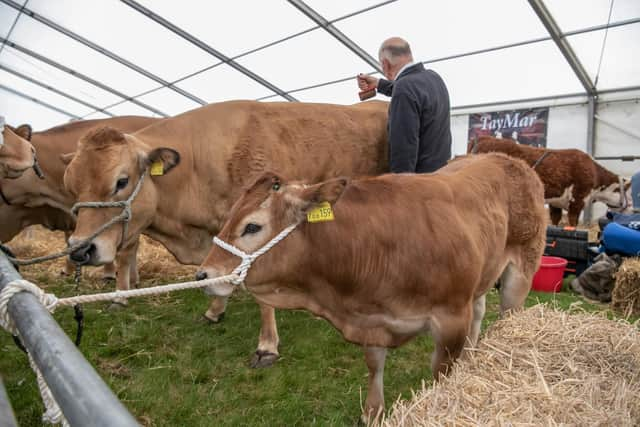
At Otley, an ageing committee has been boosted by young farming families getting involved.
Show secretary, Claudia Beutelspacher said: “We have the same issues as many - our committee members have been involved for decades but we are getting a few new people in.
“The produce and handicraft sections have got people from the farming community because their children are doing it, and our fantastic ground committee, which marks out where the marquees go, have one or two new people they are showing.”
Compared to other events run on a purely profit basis, agricultural and country shows have a more relatable and personable feel, with benefits to volunteering lasting well beyond show day.
Ms Beutelspacher added: “The difference is made in an event when it is created by people who are passionate about it.
“There is so much value in contributing without expecting to be paid. It is a way of putting value into your community and making connections. It is worth way more than money.”