
The litany of threats endangering Yorkshire's stunning wildlife
Changing weather patterns are hitting species' populations, but Yorkshire’s wildlife is facing a litany of other threats, reports Stuart Minting.

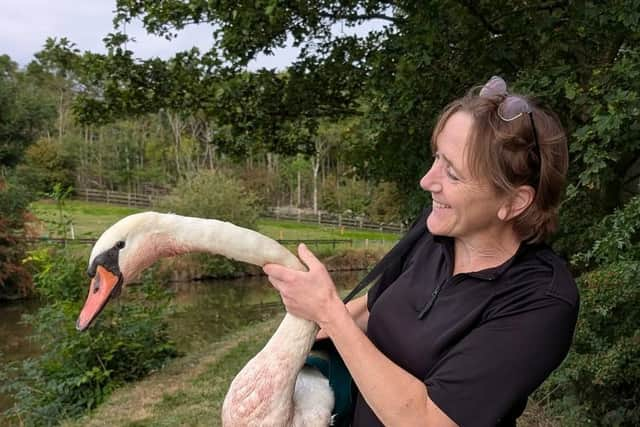
Everything is connected," says Jane Carpenter, co-founder of Craven Wildlife Rescue.
"When we have peaks and troughs in our weather - exceptionally wet or exceptionally dry - everything in the food chain is affected.”
Following Yorkshire’s driest spring in 132 years in 2025, the Horton in Ribblesdale-based centre has seen a huge impact on wild creatures.
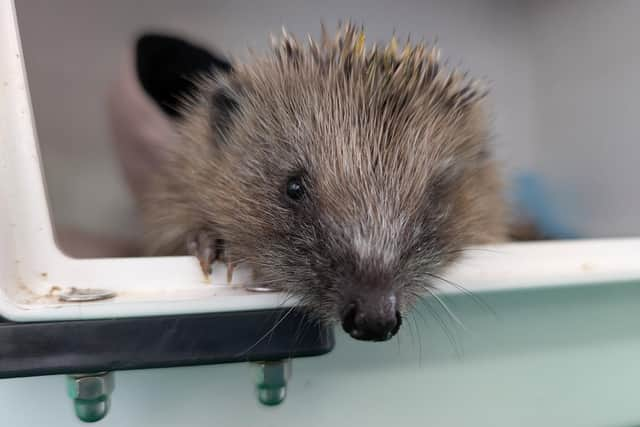

“When worms and beetles are scarce because of dry weather, hedgehogs will suffer”, Jane adds. “When the rodent population drops, owls will be hugely impacted. Whatever the reason for the population drop of one species, it will definitely have a knock-on effect on the next.”
Meanwhile, September was particularly wet. Owls are not well equipped to fly in the rain, and barn owls in particular struggled to cope.
Overall, last year saw a 190 per cent rise in the number of patients cared for by the charity - more than 750 animals and birds.
This included a 508 per cent increase in garden birds most of which were brought to the centre as fledglings and a 255 per cent increase in owls and birds of prey, up from 22 in 2024 to 78. Hedgehogs, the rescue centre’s biggest admission by number, climbed by 40 per cent, from 236 to 344.
However, while natural causes are having a significant effect on the volume of creatures being cared for, so too are human actions.
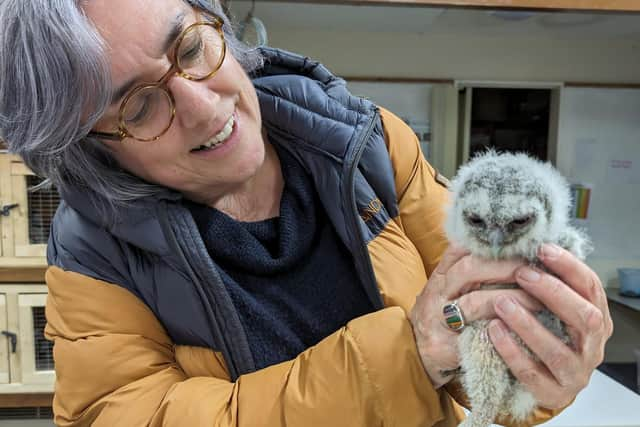
Volunteers at the centre said last year was a bad year for barn owls because of the drought - the population of voles, the food barn owls most rely on, suffered, leaving many barn owls starving.
Withstanding this, barn owls were also the birds the centre, which is based in a notorious bird of prey persecution hotspot, which saw the most secondary poisoning.
Volunteers report secondary poisoning particularly in owls, which have eaten rodents that themselves have been poisoned.
The centre’s volnteers said numerous raptors such as buzzards, kestrels, sparrowhawks, kites were brought in with “injuries not consistent to those they would receive in the wild”.
They said tawny owls were brought in after being hit by vehicles, having swooped down onto roads for roadkill. Many had head injuries and damage to wings.
"Everything is still suffering in our gardens, too", says Jane. “We are keeping our gardens way too pristine, clearing everything away.
"That dead matter or pile of leaves would make a great home for insects, and then in turn it becomes a natural feeding station for all the wildlife you want in your garden.
“Trees are being chopped down - those are homes for birds, bats and owls. We are effectively making wildlife homeless.
"Together, the UK's gardens make up a larger area than all of our national nature reserves combined, so our gardens - and each and every one of us - have a huge role to play in making this situation better for wildlife.
"The other rise we are seeing are injuries from strimming on hedgehogs. Please, put your strimmers away or at least check the area first.
"We are extremely worried about the rise of automatic and robot lawn mowers which can cause horrific injuries to hedgehogs. Intense grass cutting is extremely bad for wildlife."
Nevertheless, alongside the human and natural influences behind the rise in animals being cared for at the centre, which has seen a rise in its release figures, is the growth in its reputation.
Jane said: “We’ve done a lot of work recently to let the public know that we take more than just hedgehogs, and this communication is definitely paying off. Birds continue to be persecuted, poisoned, left homeless, hit by cars, orphaned - and whatever we can do to help them in their hour of need, we will do it.”
Penny Hunt, co-founder of the centre said it had become the emergency service for wildlife in need. She said: “When we return an animal to the wild, we don’t just save that animal - we help enable it to have young in the spring, and for those young to go on and have their own babies the following spring.
"So our contribution to safeguarding the future of species, including those threatened and already endangered, is massive.
"We are also seeing other wildlife rescues close their doors, either permanently or because they are completely full up. That's had a huge impact on us in terms of numbers.
"We are receiving animals and birds from a much wider area - from way outside our area of Craven. Every animal we care for would have died if we hadn't acted.
"We are also working extremely closely with vets across the region.
"Vets who want to help wildlife now know that they have somewhere safe to send animals which come to them and we get a huge amount of referrals, particularly owls and birds of prey. Those numbers have risen year on year.”