
The Yorkshire Vet: Chain gang eyes industrial history of North York Moors - Julian Norton
My Tuesday night mountain biking gang have an annual trip to Scarborough. I haven’t managed to get time off work in previous years, so I have had to experience it vicariously over a pint in the pub on their return.
This year though, a combination of sufficient staff and some judicious swaps meant I could go. The route followed the same itinerary as last year, starting from Great Ayton. Weighed down by small rucksacks or with luggage strapped to every part of the bike we headed to the base of Ingleby Incline. This historic relic, built in the 1860s, marked the first major challenge of our fifty-mile cross country bike ride. Not all of our party was equally prepared, and one chap was already reaching into his huge stash of jelly babies to power him uphill.
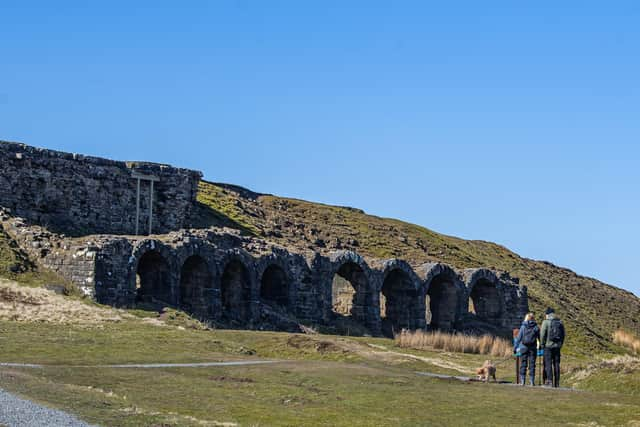
In its heyday, ironstone, mined from the heads of Rosedale and near Farndale travelled by small steam trains to the top of this steep, mile-long slope. Carts full of iron ore were lowered by metal cables, using their own weight. In return, empty carts were pulled back up, ready to be refilled. Once at the bottom, the ore was transferred to more conventional railways for distribution to blast furnaces in Teesside and County Durham. Sweating and puffing, I reached the top first and, whilst waiting for the others, had ample chance to peruse the information boards and take in the atmosphere. It’s fascinating to imagine how the bleak expanse of the moors was once home to thriving industry. As we rode further, past Blakey Ridge and into Rosedale, there was more evidence of bygone industry in the form of the impressive iron kilns where iron stone was roasted. Did workers feel they were working on an isolated moor, or in the very heart of a booming enterprise? We didn’t have much time to speculate because there was still a lot of riding to do. Rosedale village was approaching fast, where we had scheduled a stop for a late breakfast and much-needed coffee. We skirted past the bottom of Rosedale chimney, even steeper than the earlier incline. This would be waiting for us tomorrow on the return journey.
The northern fringes of Cropton forest came next, then another chance for a rest at Levisham railway station. It was a peaceful place, but one can imagine this was not always the case. It was originally a horse-drawn railway, engineered by George Stephenson, the father of Robert who designed the famous Rocket. There were no horses or trains today; just a chance to eat our sandwiches to power the next leg of our ride. The Hole of Horcum beckoned, which had its own history, although much of it steeped in legends about giants. To the north, the “golf balls” of Fylingdales early warning base, have also been consigned to the history books, replaced by a structure that looks like a block of cheese. The rider most knowledgeable about these things in our group confirmed that this houses a “solid state phased array radar system”, which has superseded whatever was in the golf balls and is even more capable of spotting ballistic missiles. Safe in the knowledge that we would be forewarned of a missile attack, we pedalled onwards and eastwards. Soon, we’d be able to see the sea.

We’d been blessed by dry and sunny weather for our whole ride and everyone had built up a healthy thirst, so the next port of call was just on the edge of Scarborough itself. I didn’t question the provenance of the place, nor scrutinise its history in any detail at all. Suffice to say, it did serve extremely thirst-quenching pints of lager. With nothing more pressing on the itinerary than a bed and breakfast with a sea-view, we settled in.