
The Yorkshire Vet: High award hopes for our apprentice - Julian Norton
During the week following my trip to the coast, I spent a lot of time enthusing about my adventures as a trainee marine mammal medic. It turned out that our student nurse had also been on the course, several years ago whilst studying zoo management. She’d embraced it with her usual enthusiasm but, as a fellow land-lubber, never expected that her services would be needed.
“I did get called once though,” Sam recalled. “A seal had swum up Cod Beck in Thirsk. We got called in to supervise. The fishermen were not being nice to it: they thought it would eat all their fish!”
Sam and I resolved that we’d always be on hand, in case a similar sea-life situation ever presented itself on our local inland waterways. But Sam had another exciting engagement coming up, because she had been selected as a finalist in the North Yorkshire Apprenticeship awards, and the vets and nurses from the practice were going along to support her at the ceremony, in Harrogate.
Sam has been training to become a Registered Veterinary Nurse for the last 18 months under an apprenticeship scheme. There are two distinct routes into veterinary nursing- the diploma course and the degree. The diploma is the more traditional way, with the student working in a practice while attending college one or two days a week (it used to be called an NVQ when these still existed). The degree is a newer alternative, where the student is at university full time, with a placement year in a practice. The main challenge facing prospective nurses, however, is that the availability of training positions in practice doesn’t match up with the number of offers made by the colleges. The requirements to be a Training Practice are stringent. As well as the clinic needing a wide range of facilities and kit, each student must be mentored by a Clinical Coach from within the clinical team, who oversees their progress and coaches them through an onerous skills log, which takes a lot of time and commitment from all parties. This has led many practices to abandon nurse training altogether, leading to the heartbreaking situation of a young person, having secured a college place for their dream job, being unable to progress because they can’t find a training practice.
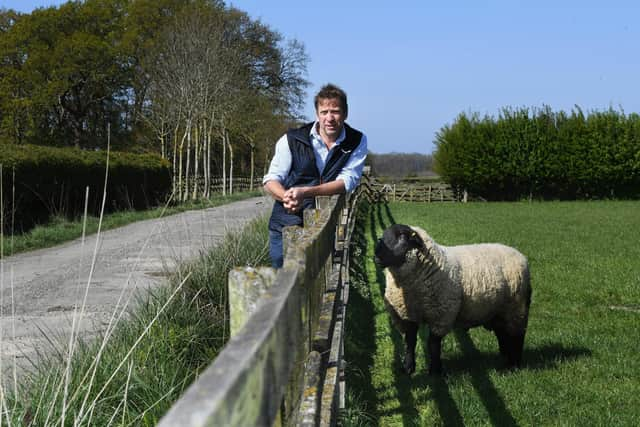

At both Thirsk and Wetherby, we have done our best to keep offering places to student nurses. When Sam came to work for us as a veterinary care assistant it was very clear she would make an excellent veterinary nurse, so as soon as we had a space, we started to look at the best options for her. We have experience of both the degree and diploma, but the diploma can be done as an apprenticeship and this works well for everyone, not least because it is well funded by the government, but also because practical skills and theoretical knowledge are developed side by side and the apprentice can continue as an active member of staff as they learn.
Despite having a young family and a job to juggle, Sam has remained as focused as a laser and is well on track to accomplishing her ambition, with levels of organisation that leave the rest of us in awe!
We booked our table for the awards evening with high hopes that her endeavours would be recognised with a gong.
It’s always a rush to get to an evening event on a week-night. Some of us had to effect a quick change in the toilets at work to get there on time. Staff in smart outfits and snazzy jackets emerged in a hurry from the surgery as soon as the doors were closed- it was quite a contrast from the usual our usual veterinary attire, which could never be described as either smart or snazzy!