
UK needs a food system that is fit for the future, says report
Addressing the root causes of food insecurity and supporting the region’s farmers to adopt environmentally friendly practices is key to building a food system that is resilient to future challenges and works for everyone, a major report has concluded.

Food For The Future, a collaboration between the University of York-led FixOurFood programme and North Yorkshire Council, states issues such as “big players dominating supply chains” and smaller food organisations in North Yorkshire struggling with the capacity for big change must be confronted.
It emphasises action is needed to tackle substantial carbon emissions across the food system and threats to food security.
The report states: “Strong partnerships are vital to ensure coordinated, self-reinforcing, system-wide action on food. The partnership is facilitated by the council’s public health team, but the responsibility and accountability for action sits with all partners working in the food system.”
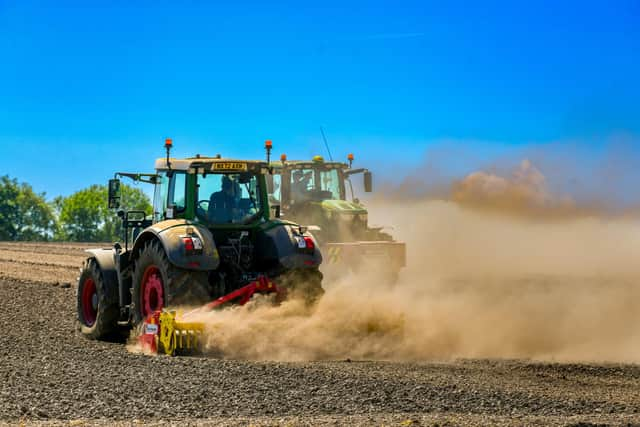

The report emphasises transforming the food system is a team effort involving farmers, businesses, schools, councils and community groups.
It identifies connecting local community food providers and implementing local sourcing procurement policies as particularly important as well as producing food with nature and investing in farmer-led knowledge transfer regarding regenerative agriculture to improve soil health and biodiversity.
It states North Yorkshire is the “engine room” of the UK food sector and offers a template for the rest of the country.
Agriculture, forestry and fishing account for 20 per cent of the regional market, and 78 per cent of North Yorkshire’s land area is used for agriculture.
The report highlights how the county is home to brands such as McCains, Heck, Quorn, and Taylors of Harrogate and one of England’s most important farming counties.
It states: “There is activity across the county to re-wet peat bogs to proactively capture carbon and reduce flooding of farmland and downstream homes by storing rainwater.
"New kinds of livestock feed are being developed to reduce methane emissions, and farmers are being supported and connected to adopt more environmentally friendly practices.
"We can work with this inspiring innovation in our county’s land management to help transform our food system.”
Despite North Yorkshire’s thriving food system innovation, heritage and community focus, the report states it also faces challenges.
It states: “Remote and rural areas in North Yorkshire have the lowest levels of access to a food shop within 15 minutes by public transport or walking.”
The report outlines how local authorities, academic researchers, business, community groups and civic leaders can work together to tackle rising health inequalities, economic uncertainty and climate change through a unified food strategy.
It states North Yorkshire is home to the UK’s highest concentration of food and drink businesses, but significant challenges remain.
Some 61 per cent of adults in the region are overweight or obese, and 14 per cent of households nationally face food insecurity.
Professor Bob Doherty said: “This place-based approach will provide a template for other UK regions who believe in transformative food system change and it is fantastic to see North Yorkshire showing UK leadership.”
The council’s public health bopss Councillor Michael Harrison, added: “Our local health and wellbeing strategy wants residents of North Yorkshire to have a fair chance of living a fulfilling life, free from preventable ill health, adding years to life and life to years.”