
Vital that bluetongue vaccine delays are not repeated again
Farming leaders are calling for the import licensing delays which left many farmers without access to the bluetongue serotype 3 (BTV-3) vaccine this summer to be urgently addressed.

Earlier this week officials announced the number of confirmed BTV-3 outbreaks had risen to 3,338 in the 2026 to 2027 bluetongue season.
Outbreaks in North Yorkshire have increased to 80, while there have been seven, 25 and three in East, West and South Yorkshire, respectively.
Significantly, there have been 217 confirmed outbreaks in Lancashire, making that county by far the hardest hit outside the West Country.
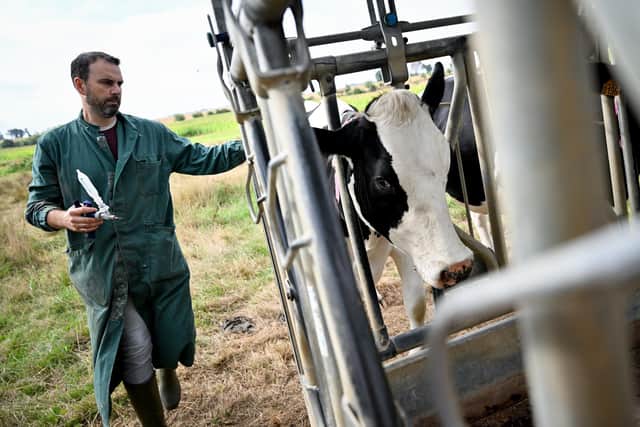

As farmers buy flock replacements, a National Sheep Association (NSA) survey has indicated strong demand for bluetongue serotype 3 (BTV-3) vaccines next year. More than 1,400 farmers responded to the NSA survey, with 65 per cent of those responding stating they planned to vaccinate their flock against BTV-3 in 2027, and most saying they would prefer to buy vaccinated sheep.
Many of those surveyed stated they struggled to obtain vaccines during this season’s outbreak, with 40 per cent stating that despite going to some lengths they could not get doses, which the NSA said left farmers with unprotected sheep. Almost three-quarters of respondents were open to ordering a vaccine in advance through their vet, meaning about 350,000 doses could be needed. Phil Stocker, NSA chief executive, said: “The impact of the bluetongue outbreak has been very difficult for farmers. Our members have spoken to me about the challenges of obtaining vaccine and the pressure this has placed on their businesses. “The survey results highlight that early conversations are necessary between farmers, vets and vaccine manufacturers to ensure sufficient supply is available. The supply chain for vaccines, from initial culture through to the vaccine being available on farm, is not immediate and typically takes several months. Vaccines come with a cost, but, as the results show, there is demand for vaccinated animals at sales, and with the losses caused by BTV-3 this year, most would say that the investment in vaccines has been financially worthwhile.”
Speaking at the launch of the Yorkshire Farming Conference, which is to be staged at the Great Yorkshire Events Centre, Harrogate, on January 27, Clare Wise, chair of the NFU Livestock board, said this summer had seen vaccine availability issues across the country, not just in Yorkshire.
She said extreme weather conditions had fuelled an outbreak that nobody predicted, but the backlog had been tackled. Ms Wise added: “The massive lesson for next year is for farmers to get the vaccine in early and get ahead of the game. We want the government to make sure import licensing is quick and easy.

“When we’re asking for help from Europe to top up these supplies, we’re looking at getting it within 48 hours, not weeks and weeks of waiting.
“What the bluetongue has shown us this summer is that if we have multiple disease challenges coming at the same time, there is a need for a robust resilience system, and it has been the instigator for a piece of work the NFU is doing with the government now.”
Also attending the event, fifth-generation Yorkshire Dales farmer Tom Carlisle said with the bluetongue threat rising, he had given his suckler cows and tups a booster and vaccinated the whole of his breeding flock.
He said: “The majority of the farmers in my area have done the same. Farmers need to be forward-thinking, and vaccination is key to a healthy flock.”