
Water resilience at the top of the agenda for Yorkshire farmers - Stuart Minting
Yorkshire’s farmers know all about taking the rough with the smooth.

However, following one of the worst harvests on record, many arable farmers in particular are considering the cost of climate change and the viability of their existing farming enterprises.
At the top of the agenda for many farmers is building resilience into their water supplies.
NFU Vice President Rachel Hallos has described the situation as unprecedented, underlining fellow farmers concerns about water availability as they prepare for the year ahead.
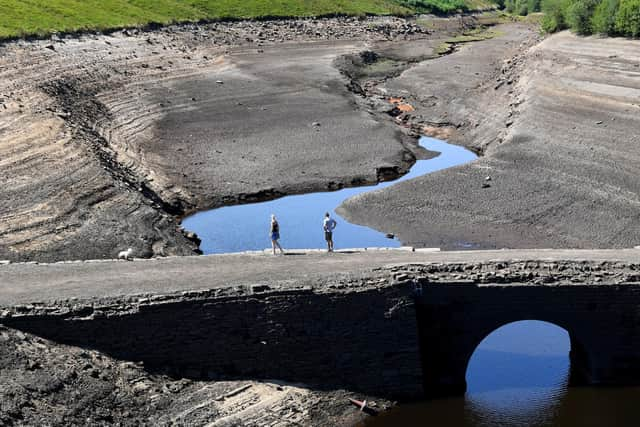

“In all my years farming, I can’t remember a time when we’ve been worried about drought in December,” she said.
“While farmers and growers are working hard to ensure products get to supermarkets for Christmas, it’s a real concern that water availability – a key ingredient in the production of these products – could be difficult in the year ahead.”
So it’s heartening to hear from Rachel that real progress is being made to enable farms to adapt to climate change.
Recently released government figures show while the predominant farm types in Yorkshire remain grazing livestock, which comprise 41 per cent of the region’s holdings and cereal farms, making up 20 per cent of the region’s holdings.
Across Yorkshire in 2024 there was 192,000 hectares of wheat, 127,000 hectares of barley, 38,000 hectares of oil seed rape, 16,000 hectares of potatoes and 13,000 hectares of vegetables.
The equation is simple. Without plentiful water such crops will fail and further knock farmers’ confidence.
It’s crucial that issues such as red tape and delays surrounding planning are ironed out to enable farmers who can afford the significant investment in measures such as creating an on-farm reservoir can easily do so.
It is clear that hitting net zero carbon emissions will be a vital milestone, as without reaching it producing food will become harder and harder.
The delayed relaunch of green farming schemes is not helping. They are important in building resilience to extremes of weather as well as providing a cashflow buffer for many.
With a cloud of uncertainty hanging over such initiatives farmers cannot get their best foot forward with schemes which help prepare for inundations and shortages of water.
Nevertheless, the summer saw the Environment Agency launch applications for a new round of specialist water assessments, supporting farmer groups to collaborate on drought resilience measures and delivering on the government’s commitment to food security.
Last year, the fund provided 106 farms with recommendations and attracted positive responses from farmer groups for helping identify risks and facilitate greater co-operation between neighbours.