
Wildfires: ban barbecues and fund fire-fighting planes, MPs urge
This year has already seen a record number of wildfires, breaking last year’s record.

New fire-fighting planes, bans on disposable barbecues and Australian-style public awareness campaigns are needed to tackle the growing threat of wildfires, MPs have urged.
After one of the most severe summers on record for fires across the UK, the Environment, Food and Rural Affairs (Efra) Committee warned “wildfire is part of our new reality”.
Fires could no longer be regarded as rare or exceptional events as climate change increases their frequency and severity, the committee said, as it called for a national strategy to tackle the threat.
So far this year, fire and rescue services across England and Wales have battled more than 1,300 wildfires, surpassing the total for the record breaking 2025.
Last year, the largest wildfire in the country was at Langdale Moor in North Yorkshire, which was sparked by a campfire.
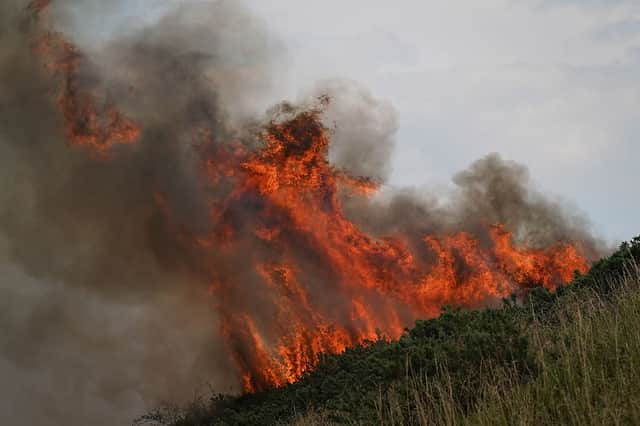

The rescue effort of fire crews, farmers and gamekeepers was beset by explosions from World War Two munitions, as it reached RAF Fylingdales which was built on an old army training area.
After six weeks, the blaze was eventually put out, but not before it had surged towards properties and businesses.
Since then, North Yorkshire politicians including Scarborough and Whitby MP Alison Hume and mayor David Skaith have called for a disposable barbecue ban.
Over the summer, Andy Burnham introduced a temporary ban, however now the committee has said the Government should establish a clear mechanism for introducing nationwide restrictions during high risk periods.
Chair Alistair Carmichael said: “As the vast majority of fires are man-made, prevention is vital. Britain needs a cultural shift that puts us in step with fire-savvy nations such as Australia.
“We call for consistent, national public awareness campaigns on fire-risk, national restrictions on high-risk behaviours like disposable barbecues at the most dangerous points in the year, and enhanced weather warnings.
“All options should be available in the toolbox of land management techniques, reflecting local variations.”
Financial support is needed for fire wardens in high-risk landscapes when wildfires could break out, currently mostly voluntary patrols by “unsung heroes” of landowners and managers, Mr Carmichael said.
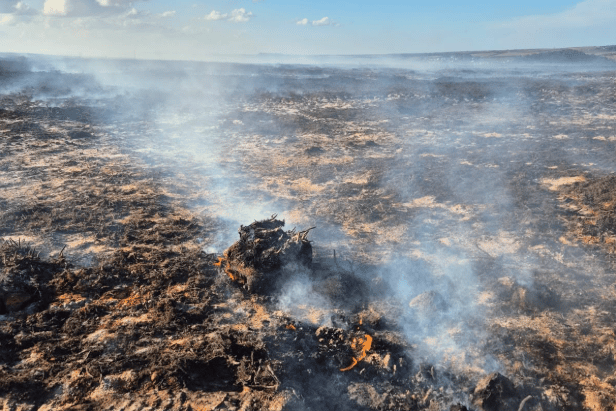
He paid tribute to those people who put themselves at risk to combat the blazes.
MPs received accounts of people "cough[ing] up ash and black dust…for days", while one person described feeling "tired, concerned, can't switch off...[their] body is in shock from so much adrenaline and smoke inhalation".
Mr Carmichael said: “This report offers a catalogue of actions the government must prioritise as we adapt to a changing climate, but it also tells the story of how these terrifying incidents leave deep scars, not just on our landscapes, but in the minds of rural communities whose voices tend to be excluded. Change must come from their trauma.”
He warned that no single approach to managing land could deliver wildfire resilience across every landscape, with peatland restoration, rewetting of drained landscapes, grazing, cutting and prescribed burning all contributing to reducing wildfire risk in different circumstances.
““Two consecutive, record-breaking years of wildfires should be ringing alarm bells in Westminster,” Mr Carmichael added.
“We need to see government preparing for 2027 now. Failure to do so will leave us all exposed to more of the same next year and every year until it is taken seriously.”
The Government highlighted that it was holding its wildfires summit this week, as announced by Andy Burnham in Prime Minister’s Questions.
A spokesperson said: “Improving wildfire preparedness is a major government priority.
“That’s why this week we are holding a summit with government ministers, fire and rescue leaders, land managers and other partners to understand how we can strengthen the response to this increasing risk.
“This will build on the action we’ve already taken including launching a new pilot with six teams of specialist firefighters ready to respond to wildfires across the country, and making almost £1.95bn available for fire and rescue authorities to keep their communities safe.”