
Wonders of the great bird migration sees feathered friends head back to Yorkshire
Now is the time for our feathered friends from afar to arrive and their presence is always a treasure to behold. Emma Ryan reports.

Thousands of birds are returning from Africa and more southerly parts of Europe to the East Riding of Yorkshire – and the first cuckoo of the season has been spotted.
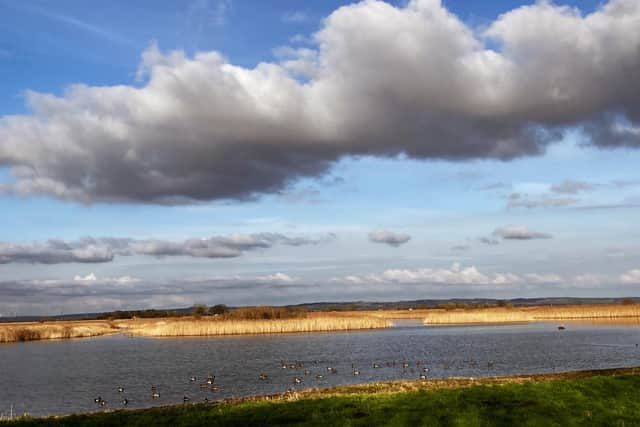
They have flocked to the Humber Estuary to exploit its food rich wetlands, reedbeds and mudflats on their way to breed here or to head further north.
This is all part of one of the world’s busiest bird migrations which is happening across the Humber and at RSPB Blacktoft Sands as well as at nature reserves positioned along England’s internationally important East Coast Wetlands.

The annual phenomenon was celebrated on May 11, officially recognised as World Migratory Bird Day.
Spring is a time when huge numbers of birds are on the move, travelling thousands of miles along routes from their wintering grounds to their breeding sites, often stopping to refuel along the way.
World Migratory Bird Day took a closer look at the importance of insects for migratory birds and highlighted concerns about their decreasing populations, which directly threatens bird survival.
Insects are a vital food source for many species arriving at RSPB Blacktoft Sands this month, a nutritious food source for Reed Warblers for example, and one of the key reasons birds head to the Humber in their thousands to exploit its food rich habitats.
The campaign has stressed the need for proactive conservation measures to protect insects, such as reducing the use of pesticides and fertilisers, and switching to nature-friendly farming.
At RSPB Blacktoft Sands, at the heart of the Humber, visitors can witness these migratory marvels from dawn till dusk from seven visitor hides, along what is England’s largest intertidal reedbed.
Thirty different species of birds are expected to arrive throughout the month and include Ringed Plovers and Cuckoos which are red listed in the UK as birds of the highest conservation concern.
The very first Cuckoo has last Wednesday.
Darren Johnson, Humber Reserves Community Engagement Officer, said: "Hearing the first Cuckoo back from Africa, listening to Reed Warblers’ rhythmic song or seeing the first Swallows of spring, reminds me of the amazing journeys they have been on to arrive back here in East Yorkshire.
"Visitors come from right across the UK to visit this hidden gem on East Yorkshire’s coast as it is one of the best places in the country to see these feathered travellers.”
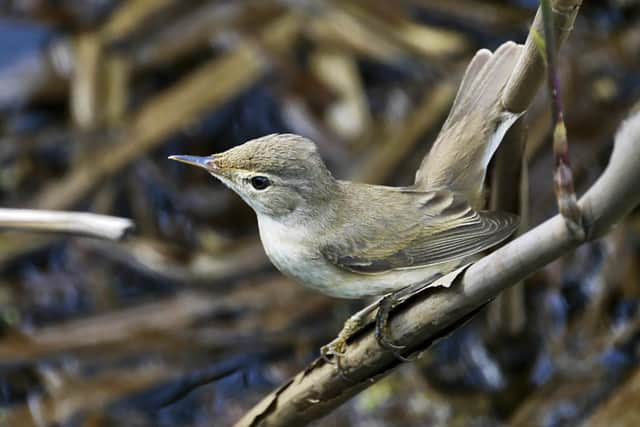
Amongst the visiting birds are Reed Warblers, which spend winter as far afield as Senegal in West Africa, and they have already begun arriving earlier than usual. Around 100 have already arrived at RSPB Blacktoft Sands one of the more northerly colonies of Reed Warblers in the UK, with around 200 more expected.
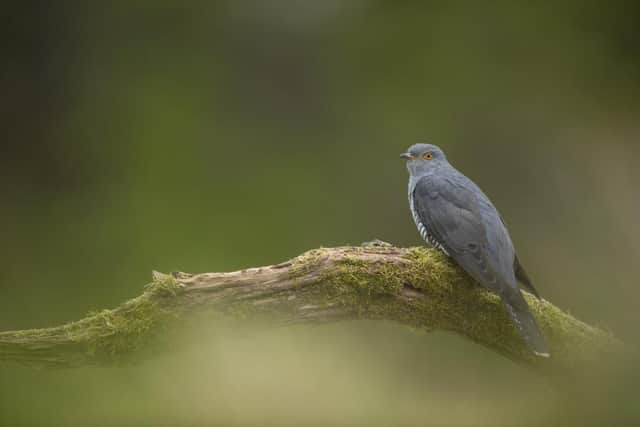
Cuckoos spend their winter as far afield as the Congo basin in the central African rainforests and come back through West Africa and join the same migration route as the Reed Warblers. Cuckoos are dependent on the Reed Warblers and will lay eggs in their nests; the host parents then raise the Cuckoo chick. Whilst numbers have declined massively, populations in the UK are doing better.
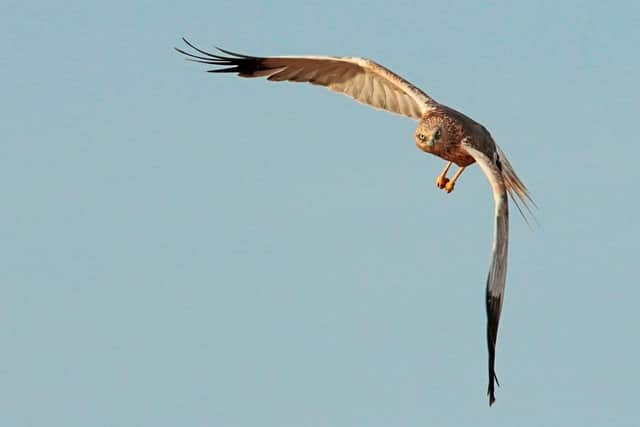
Marsh Harriers also return this month and are a popular sight at Blacktoft Sands as they swoop low over the reed beds. Many now winter in the UK but lots still migrate to Spain or further, as far afield as Senegal and The Gambia. They are still a rare British bird with only about 550 pairs in the UK. RSPB Blacktoft Sands can see up to 13 breeding pairs in summer.
Ringed Plovers are set to arrive anytime from now as they make their way to the Northern Tundra. They migrate through the Humber from West Africa to their breeding grounds in Scandinavia, Russia, Iceland and even Greenland. They stop off at RSPB Blacktoft Sands to feed on the insect rich mud both on the shallow seasonal pools and tidal mudflats.
Often after feeding on the Humber their next stopping point will be their breeding sites on the Tundra flying hundreds of miles in the space of a day.
England’s East Coast Wetlands are now on the road to achieving World Heritage status and stretch from the Thames in the south to the Humber in the north. Together they form a network of wetland habitats vital to some of our most vulnerable and iconic species.
This internationally important stretch of English coastline, used by nearly 300 bird species every year, is part of the East Atlantic Flyway. The East Atlantic Flyway is a bird migration route stretching from the Arctic to South Africa, connecting more than 70 countries, including the UK, and used by 90m birds annually.