
‘Worst ever’ harvest is piling further pressure on farmers
As a harvest dubbed “the worst ever” by some farmers enters its final stages in Yorkshire, the shadow farming minister has urged the government to prioritise food security.

Speaking after a roundtable discussion with farmers, growers, contractors and grain merchants earlier this week, shadow farming minister and Keighley MP Robbie Moore said he heard “frustration that the government doesn’t take food security and water security seriously enough”.
Mr Moore also underlined how farmers were facing an “incredibly challenging” time due to the dry summer. He said: “Our farmers go above and beyond for us all, and this year, things have been incredibly challenging with the ongoing drought conditions.”
The Conservative politician’s comments come just two weeks after the government announced farmers across England would receive extra support to help manage the impact of prolonged dry weather, including a £65 million funding boost. Announcing the move, Prime Minister Andy Burnham said: “The ability to grow our own food is national security, and I will treat it that way. Farmers are at the sharp end of a changing climate, and they should not be carrying that risk alone.”

Forecasts earlier this year had suggested that UK yields were on course to be at or above ten-year averages in 2026. But the latest harvest data from the Agriculture and Horticulture Development Board show overall yields remain disappointing following another season of prolonged dry weather – although some crops have performed better in the north.
It said the recent change in weather had coincided with a rise in crop moisture levels compared with those seen earlier in the harvest. The levy board stated yields of oilseed rape, which was grown across 38,000 hectares in Yorkshire in 2024, remain a notable exception, with harvest complete and average yields up 19 per cent compared to the UK five-year average.
Helen Plant, a cereals and oilseed analyst for the board, said soil type, drilling date, use of organic fertilisers and seed choice all appeared to be influencing final performance. She said: ”As harvest moves into its final stages, the overall picture remains one of considerable variability. The differences we are seeing between farms are significant.”
While July was the hottest on record for much of Yorkshire, some eastern areas of the region saw less than a millimetre of rain over the month.
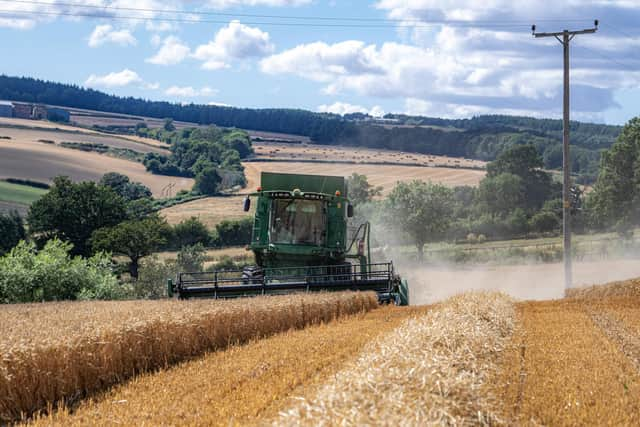
Nevertheless, Yorkshire was among only a few areas in England where drought was not declared.
Doncaster Council’s Farming and Nature Recovery Champion William Shaw, who farms at Denaby Main, said much of his crops had “died off” and warned the impact could carry over well into next year.
He said: “Because it’s staying dry, you can’t start the process for next year’s harvest yet, like you normally would.”
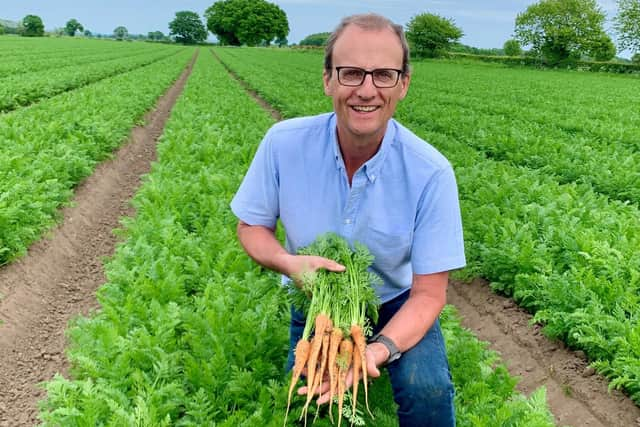
British Carrot Growers Association chair Rodger Hobson, who farms at Crockey Hill, near York, producing about four per cent of the national crop of the root vegetable, said the harvest had been the “worst we’ve ever known”.
He said all his combinable crops had come in under budget due to the drought, but the spring-sown ones, such as barley and beans, had “disastrous” yields, and as there had not been any spare water to put on the sugar beet, that was now “brown, not green”.
Mr Hobson said: “The climate has changed so quickly. We can’t react to this sort of climate change.
“Until we get the water infrastructure in place, we’re just going to have to cut back on what we’re doing.”