
Yorkshire farm trials breakthrough to cut pig antibiotics use
On-farm trials being run across Yorkshire are proving that in-water peracetic acid (PAA) can support gut health, tackle scours, and dramatically cut antibiotic use in pigs.

Adrian Fellows, chief executive of research and development company Aga2Tech, said while the UK pig sector has already achieved a 75 per cent reduction in antibiotic use over the past decade, with therapeutic, high-dosage use of zinc oxide in piglet feed to prevent weaning diarrhea having been banned and growing antimicrobial resistance (AMR) concerns, the industry needed new tools.
The ban seeks to mitigate environmental risks from zinc accumulation in soil and AMR concerns, as high-level ZnO is linked to antibiotic-resistant E.coli. Last year, researchers reported that a decline in the sale of antibiotics for use in food-producing animals in the UK was associated with a significant decrease in indicators of AMR in pigs and poultry.
Mr Fellows said after seeing positive results in commercial poultry trials involving 250,000 broilers, the firm was keen to see peracetic acid treatment could help pigs.
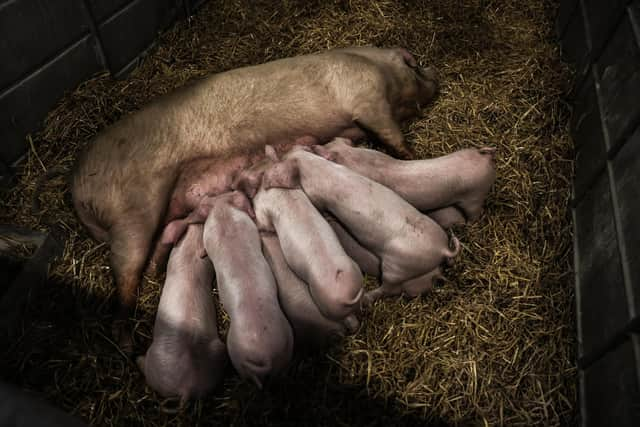

The trials, supported by the UK Agri-Tech Centre, have been conducted in collaboration with the Yorkshire Farmers cooperative, on two bed-and-breakfast pig units in Yorkshire.
Tested across multiple batches of pigs, the trials involved administering a precise dosage of two per cent of the patented PAA Peranan concentrate, giving up to 150ppm PAA via the water system, starting just after weaning and continuing through the early stages of growth.
Mr Fellows said: “The initial results have been very encouraging, with improvements in several key areas. First off, we saw a marked reduction in scours, especially during the weaning phase, which is always a critical time for gut health. The pigs on PAA had much firmer stools compared to the untreated ones, which is a huge win when it comes to their overall gut health. As a result, the trial farms were able to reduce or even eliminate the use of blanket antibiotics during the weaning phase – presenting a real cost-saving for farmers, and a big step forward in helping tackle the problem of AMR.”
The treatment also helped foster cleaner farm environments. Mr Fellows said: The pigs on PAA had drier and cleaner bedding, with less build-up of wet litter – not only improving the pigs’ living conditions, but making it a nicer work environment for the farmer.” The pigs also seemed calmer and quieter, he added. “We observed fewer stress-related issues like tail biting, which is crucial because a reduction in stress means fewer health problems and less risk of infections that can spread in a stressed environment.”
With the UK pig industry working towards meeting stringent antibiotic reduction targets, PAA represents a scalable and effective solution.
Mr Fellows said: “The results of these trials are just the beginning. As the industry faces growing pressure to reduce antibiotics, we believe PAA can offer a practical, cost-effective, and sustainable solution that supports both animal welfare and farm productivity.”