
Yorkshire farmland prices drop as confidence takes a hit, but Wolds area bucks the trend
Farmland prices have fallen across most of Yorkshire, with new figures showing widening gaps between top-quality farms and poorer land as confidence across the sector falters.
The latest Carter Jonas Farmland Market Update shows prices for prime arable land in Yorkshire fell from £11,250 per acre in the previous quarter to £11,00 and prime pasture dropped to £7,250 per acre from £7,500 over the same period.
The figures also show how prime hill farmland prices fell from £4,000 to £3,850 and lifestyle farmland from £16,000 to £15,750 £13,250.
However, land in the Yorkshire Wolds bucked the trend with prime farmland remaining at £13,250 per acre.
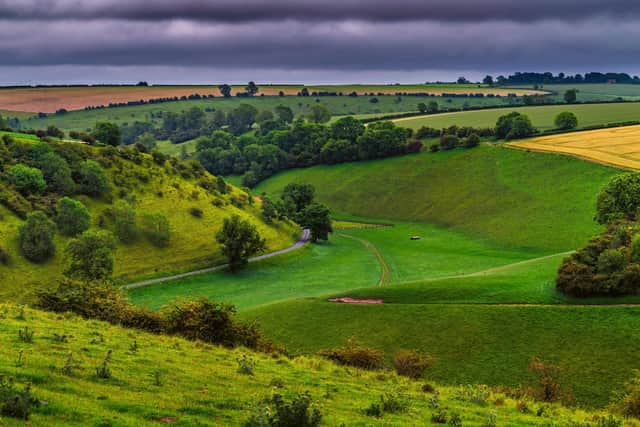

The surveyors said location and quality are becoming ever more important in a farmland market which is seeing land values slow after reaching record highs.
The firm has also highlighted an increasing polarisation in values between land and farm sales in its third-quarter figures.
It said well-located commercial farms with competing buyers are still attracting above-guide bids, but for poorer ground or isolated units, sales are proving slow and not generating as much interest.
The trend in Yorkshire is mirrored nationally, with the decline in average arable land values accelerated to 1.5 per cent, following a slightly more modest decline of 1.1 per cent in the second quarter of the year.
Similarly, average pasture values declined by 1.2 per cent in Q3, a steeper fall than was recorded in the previous quarter.
The firm said the drop represents the first time land values have declined year on year since the end of 2020. It added the downwards shift reflected a broader trend of increased buyer hesitancy and a limited buyer pool in some parts of the market.
However, there are some exceptions to the rule, such as land values in the Yorkshire Wolds.
“Some segments of the farmland market remain resilient,” says Andrew Chandler, head of Rural Agency at Carter Jonas. “This is especially true for ‘best-in-class’ assets which remain scarce and can attract national interest, resulting in a divergence in prices.
“Well-positioned, high-quality assets continue to command strong values, while secondary and tertiary land is seeing downward adjustments. Crucially, however, overall market performance is contingent on local factors, with supply and demand dynamics varying widely even at the regional level.”
The firm said delays in funding announcements and impending changes to inheritance tax reliefs have further dampened confidence. However, some experts predict the Bank of England will bring down the Bank Rate to 3.5 per cent by the end of the year.
Researcher Sophie Davidson said: “Speculation that the autumn budget scheduled for 26 November will bring further setbacks has prompted some to adopt a ‘wait-and-see’ approach as they await further clarity on the government’s approach to tax and agricultural policy. While the budget has not been widely cited as a reason to sell, it is likely to be influencing decision-making for both buyers and sellers.”