
Yorkshire Food, Farming and Health Summit to look at making regional food chain stronger
A Deputy Lieutenant of West Yorkshire and Programme Director of NHS Well Bradford is using his influence to convene the first Yorkshire Food, Farming and Health Summit.

Zulfi Karim said the event, being staged at the new Bradford Live venue on September 16 would see a coalescence of the UK’s leading minds in agriculture, food systems, public health and policy exploring the link between food and health.
The summit, which has been backed by the West and North Yorkshire Chamber of Commerce, the NFU, West Yorkshire Combined Authority, Yorkshire Agricultural Society and Bradford council, comes as Defra considers putting the responsibility for health matters back on to food manufacturers.
After two decades of involvement with Yorkshire farming, food and culture and having worked on the successful Bradford City of Culture bid, Mr Karim was elected on to the board of the Yorkshire Agricultural Society in April, which led to the idea of the summit.

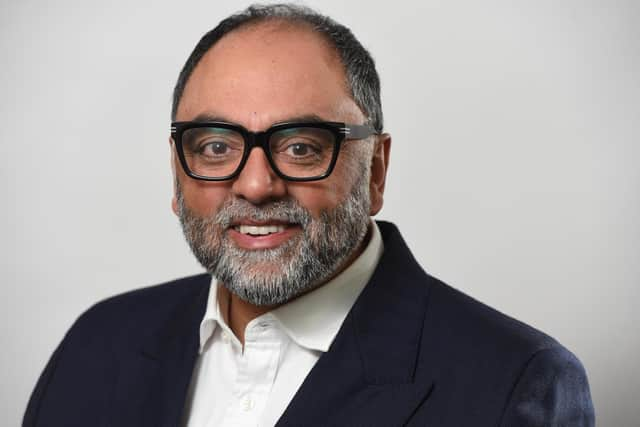
He said: “My interest, from a food point of view, is how do we keep, background I have been heavily involved with the curry industry, which across the UK is worth £5bn.”
Mr Karim, who suggests that a target of Yorkshire’s consumers using 50 per cent produce grown in the region should be achievable, said the summit would also examine how the food chain within Yorkshire could be better connected.
He said: "Yorkshire has its own heritage and has a very large supply chain, nationally and internationally when it comes to food, spices, meat and provisions. It’s a big net consumer, importer and exporter of spices and raw produce.”
He said recent years had seen the rules surrounding importing and exporting had become more complicated and the country had become reliant on “big exports and big imports”.
Mr Karim said: “We are getting products such as meat from places such as Venezuela and China, and it’s not sustainable. My focus is how do we get people to start having some sort of Yorkshire food chain and supply cycle.
"In recent years I have found there seems to be a disconnect between urban and rural. It is very different in rural areas of North Yorkshire, like Thirsk, where there’s a very strong farming community, a supply chain and farmers’ markets.
"In the urban areas, as well as not knowing where food comes from, there’s a big issue around food security. People are relying on cheap food because they can’t afford it. Therefore they’re having some of the worst foods they can eat for their health.”
Last year, the Food, Farming and Countryside Commission added up the cost to NHS and economy of diet-linked disease, finding the UK’s unhealthy food habits cost £268bn a year.
Mr Karim said: “There’s a disconnect at grass roots level where people don’t know where their food comes from. They don’t know what’s available on their doorstep once they drive out five or ten miles. Everything comes processed, chopped or in a pack. There’s also a disconnect between our different organisations not working in the same direction.
”If you look at the whole Yorkshire area there are substantial growing opportunities, but there’s nothing stopping us from increasing this futher north or across the Pennines.
"As well as growing a greater diversity of vegetables and fruit, there’s also the poultry, the mutton, the game. The market overall is huge. What would a Yorkshire supply chain look like if it was better connected?”