
Yorkshire's biggest farming sector to benefit from weight-loss drug demand
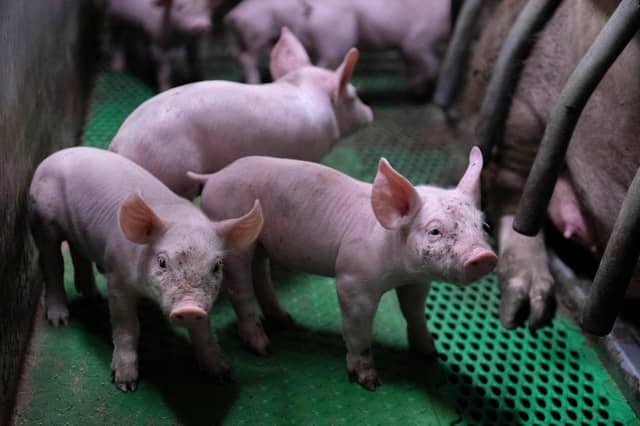
While the largest contributors to Yorkshire’s £3.1 billion agricultural output are pigmeat, poultry and milk, accounting for 36 per cent of the output, the sectors could become even more dominant in the region in the coming years.


Levy organisation Agriculture and Horticulture Development Board, which represents farmers and others in the supply chain, says the rising use of weight loss drugs could give a major injection to demand for British red meat, eggs and dairy as more consumers opt for high-protein diets to complement their dietary regimes.
AHDB’s statement comes as a study revealed some 4.1 per cent of British households or 1.5 million people, are using weight-loss drugs like semaglutide (Wegovy/Ozempic) and tirzepatide (Mounjaro, a figure which is expected to rise in the coming year.
Protein intake is particularly important when taking weight loss drugs to maintain muscle mass, as the medications act to slow digestion and reduce appetite, making it harder to get enough nutrients.
Vanessa Adamson, Retail and Consumer Insight Manager at AHDB, said: “As more consumers are expected to try GLP-1 weight loss drugs in 2026, lean primary red meat, natural yoghurt, milk and eggs are likely to be popular, as these consumers are actively seeking nutrient-dense meals in smaller portions that are packed with protein for muscle maintenance.”
According to a YouGov/AHDB Pulse survey in November, 85 per cent of consumers believe diet is key to health and 77 per cent say fitness is also important.
But AHDB points to how two-thirds of adults in England are classed as being overweight, and 26.5 per cent of these obese.
Kate Arthur, AHDB Head of Nutrition & Health, said: “The urgency for healthier lifestyles is undeniable, but with health claims flooding packaging, media and social platforms, consumers are increasingly unsure which products are genuinely healthy and nutritious.
“Time pressures, limited cooking skills and lack of facilities add to the challenge, making quick, simple and nutritious meals harder to achieve.
“Healthy living isn’t optional anymore – it’s essential. But affordability and clarity must improve if we’re serious about tackling obesity.”
For many households, the cost of healthy eating is the biggest barrier to eating well. The results of a Worldpanel by Numerator study backs this up: a health-focused evening meal costs about £3.65, which is 13 per cent more than meals chosen for other reasons.
Some 26 per cent of consumers said they plan to reduce their consumption of ultra-processed foods and 23 per cent plan to reduce the amount of sugar, fat and salt in their diets.
In terms of additions, 14 per cent said they were looking to increase their protein intake, 13 per cent wanted to increase their fibre consumption and 49 per cent planned to do more exercise.
It found younger consumers are much more focussed on short-term wellness benefits and improving body image, while older generations care more about long-term health and natural ways to manage their wellbeing.