
Autism divide 'leaves children in South Yorkshire waiting three years longer'

Children in parts of Yorkshire are waiting up to three years longer than those in the south for an autism diagnosis, new analysis suggests, amid warnings over worsening divides.
Think tank Child of the North, with the University of Leeds, has called for action over waiting times for assessments.
A new report on NHS data finds ADHD referrals have risen by a fifth in just one year, while just 4.5 per cent of children with an autism referral were seen within 13 weeks.
In South Yorkshire, for example, children wait on average 1,063 days for an assessment - almost three years longer than children in Mid and South Essex at 54 days.
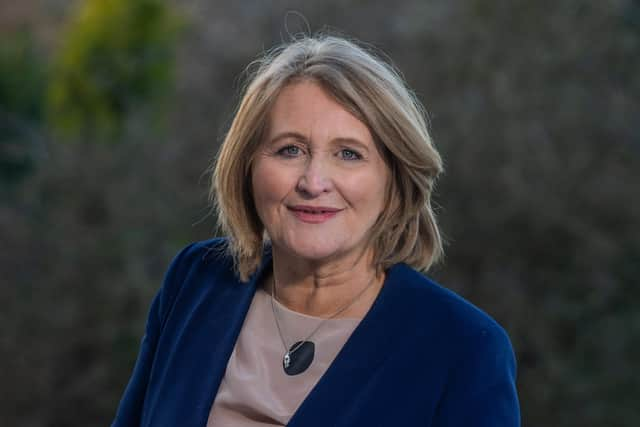

Prof Mark Mon-Williams, from the University of Leeds, led the new report.
“The autism assessment process was already in crisis in 2024 – and our new report shows the situation is getting worse," he warned. "This is not good enough and we need urgent change.
"This is why we have launched our campaign, which provides evidence-based solutions that people on the ground can implement to make changes where they are most needed.
"We also need to encourage everyone to play their role in building a country that works for all children and young people.”
A Child of the North’s campaign was launched at a national opportunity summit held in Leeds this week, before Minister Josh MacAllister.
Its new report, The Crisis is Worsening, is the first of a series as it examines key issues of major concern. Among topics identified by Northern health leaders are poverty, special educational needs, school attendance and mental health.
The campaign comes with a toolkit aimed at helping schools, health workers and authorities, to be published with a series of reports on a weekly basis over the next 12 weeks.
Former Children's Commissioner Baroness Anne Longfield, founder of the Centre for Young Lives, said: “The number of children waiting for an autism assessment has rocketed over recent years and continues to rise.
"This crisis is leaving thousands of children without the support they need, putting pressure and stress on families.
“If we’re to tackle the challenges around attendance and exclusion, we need a system that responds to the needs of autistic children and doesn’t wait for diagnosis before providing help.
A spokesperson for the Department for Education (DfE) said it has taken steps with Best Start Family Hubs to work on early intervention, as well as programmes with teachers to better meet children’s ADHD needs.
Further steps are to be set out in the Schools White Paper in the autumn, they added: “This government inherited a SEND system left on its knees – which is why we are listening to parents and looking at changes to enable more children to thrive stop parents having to fight for help.”