
Study sparks alarm over decline of cricket in Yorkshire's state secondary schools

Cricket is becoming a preserve of the wealthy, experts warn, with fears working-class boys in northern state schools are missing out on the chance to play the game.
A new study, working with dozens of state secondary schools across the region, warns of a "significant" decline with too few schools owning even a single pair of gloves.
The report, Over and Out?, from Andrew Scattergood at York St John University, focuses on the game’s traditional hardball format – meaning any cricket activity that is played with a hard ball in junior or open age cricket.
Schools simply don't have the sporting facilities or equipment, it finds, teachers lack the confidence in delivering the game, and there is limited access to fixtures and clubs.
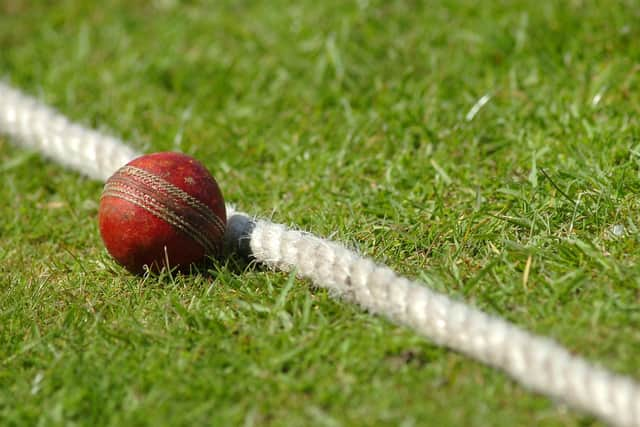

In contrast fee-paying schools, with elite coaching and eight times more grass pitches, are seeing a growing dominance in county and national talent pathways.
"A lot of working-class boys don't see it as a game for them," said Dr Scattergood. "They don't see it on TV or in the media any more. Without urgent intervention, the hardball game risks becoming the preserve of the privileged few.”
In Yorkshire, PE teachers from 53 schools took part in the study, from Harrogate to Hull, Sheffield, Barnsley, Rotherham and Leeds.
Across the North, with 92 schools responding, 24 said they didn't own a single pair of cricket gloves, and 22 didn't have a helmet. On average just seven hours was allotted to teaching Year 7 boys to play.
Earlier reports, most notably one from the Independent Commission for Equity in Cricket (ICEC) in 2023, have highlighted the challenge.
An “elitist” culture is partly driven by a lack of access in state schools, it outlined, while private settings and 'old boys' cliques' permeate the game. At that time, 58 per cent of England players had been privately educated – compared to seven per cent of the population.
Of those that do succeed, very few come to the sport at secondary school level, argues Dr Scattergood, but are introduced to it by interested parents or at local clubs.
The numbers, he added, are "scary": "There is a reason why – cricket is a sport played by middle and upper-class people. There should be a massive opportunity for someone showing a bit of interest at school to end up playing for Yorkshire."
The report highlights that more inclusive versions of the game, using a softer ball, are thriving at primary school.
A new harder ball format should be brought in to bridge that gap, the study says, with funding for equipment and facilities. Schools can build on fixtures and links with local clubs, while teachers' cricket courses can help build confidence.
The report also calls for a commitment to promoting the game in schools, with Dr Scattergood arguing the widespread success of primary initiatives such as Kwik Cricket, All Stars and Dynamos can and should be built upon. "I would be very sad if the interest wasn't there," he said. "This is more frustration – at a younger age we are getting it so right.”