
University tuition fees to increase to £9,535 next year, Labour announces

Tuition fees will rise to more than £9,500 next year to “secure the future of higher education”, the Education Secretary has said.
Bridget Phillipson said increasing the £9,250 maximum tuition fees for domestic students to £9,535 next year had “not been an easy decision”. University tuition fees will rise for the first time in eight years to help universities facing “severe financial challenges”, Ms Phillipson explained.
It comes as university leaders have warned of significant financial concerns as a result of frozen tuition fees paid by domestic students and a fall in international students. The previous government raised the cap on university tuition fees in England to £9,000 per year in 2012, but it has been frozen at £9,250 for domestic undergraduate students since 2017.
“Increasing the fee cap has not been an easy decision, but I want to be crystal clear that this will not cost graduates more each month as they start to repay their loans,” the Education Secretary said.
“Universities are responsible for managing their own finances and must act to remain sustainable. But members across this house will agree that it is no use keeping tuition fees down for future students if the universities are not there for them to attend.”
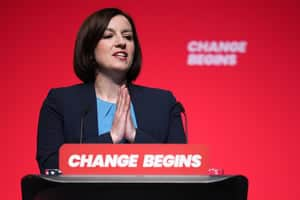

In a statement to the Commons yesterday, Ms Phillipson also announced that maintenance loans for university students will rise next year, which the Government said will provide students with £414 extra per year.
She told MPs: “We are determined to break down the barriers to opportunity and higher education is central to that mission.” Ms Phillipson claimed higher education providers could do “more to spread opportunity to disadvantaged students, both in expanding access and in improving outcomes”.
She said that the gap “between disadvantaged students and their peers in progression to university by age 19 is the highest on record”, adding: “I will not tolerate this shameful divide any longer.”
Universities UK said the increase in tuition fees “is the right thing to do”. UUK chief executive Vivienne Stern said: “Thriving universities are essential to a thriving UK, delivering stronger growth, better public services and improving individual life chances. University leaders and government must work together to ensure that our universities are able to fire on all cylinders.
“A decade-long freeze in England has seen inflation erode the real value of student fees and maintenance loans by around a third, which is completely unsustainable for both students and universities. Keeping pace with inflation stops the value of fees going down year after year.”
However, new shadow education secretary Laura Trott accused the Government of declaring “war” on students. She said “there was no sign of this in the Labour manifesto” and made that point that when running to become the party leader Sir Keir Starmer had pledged to abolish tuition fees.
The University and College Union described the tuition fee increase as “economically and morally wrong”. “Taking more money from debt ridden students and handing it to overpaid, underperforming vice-chancellors is ill-conceived and won’t come close to addressing the sector’s core issues,” general secretary Jo Grady said.
“As Keir Starmer himself said last year, the current fees system doesn’t work for students and doesn’t work for universities.”