
Chris Packham on the new series of Inside Our Minds: ‘ADHD and dyslexia are still cloaked in stereotypes’
TV presenter Chris Packham feels that neurodivergent people are often misunderstood and reduced to stereotypes. He speaks to Camilla Foster.
Following the success of his acclaimed series Inside Our Autistic Minds, beloved TV presenter Chris Packham returns with a second instalment – this time exploring the inner worlds of people with ADHD and dyslexia.
Packham, a conservationist widely known for presenting popular nature programmes such as Springwatch and The Really Wild Show, is autistic and is passionate about using his platform to challenge common misconceptions surrounding different neurodevelopmental conditions and to help others understand what it truly means to live with them.
In this two-part series, four individuals collaborate with leading filmmakers, designers and animators to create powerful short films that express their personal experiences.

Through their own words and visuals, they open up to their loved ones sharing how it feels to live with ADHD or dyslexia, offering viewers a deeper, more empathetic understanding of these conditions.
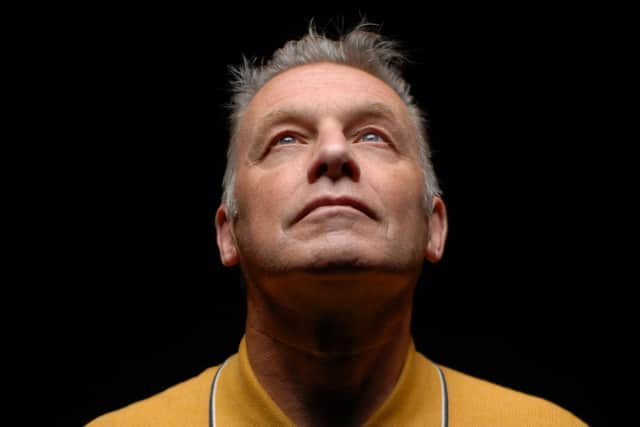
“Our consensus was that ADHD and dyslexia are still cloaked in a thin skin of stereotypes, which means that people really just don’t get what they are about,” says the 63-year-old TV presenter. “So, it was a logical step for us to do what we could, using the tools that we involved in our first series to help those communities as much as we had succeeded, it seems, in helping the autistic community.
“Being a neurodiverse person means that there is already a sense of community there, because some of the struggles that you go through in dyslexia, ADHD, Tourette’s, or ASD are going to be parallel, [for example] the difficulties you face when you’re younger, the lack of understanding, the inability to communicate the way that the condition is impacting you because you can’t articulate that as a young person or as a child.”
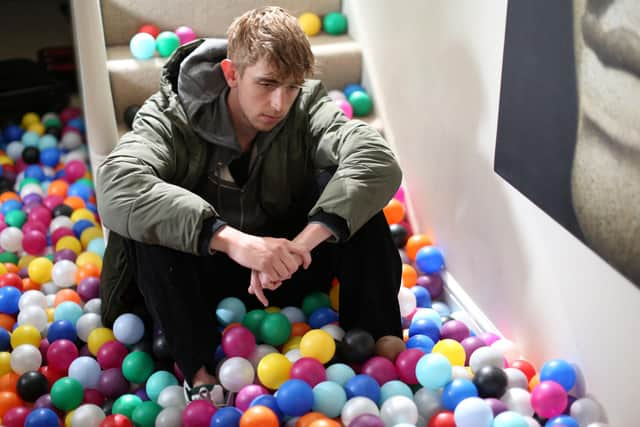
Episode one of the new series, which focuses on ADHD, follows the stories of Hertfordshire-based Jo, 51, who was diagnosed with the attention disorder aged 49 when she was going through menopause, and London-based tour guide Henry, 23, who was diagnosed aged 17.
Throughout the episode, Henry talks about the frustration of regularly forgetting to attend important appointments, and shares that his main motive for taking part in the programme was to show his parents and sister just how much his ADHD affects his everyday life.
“Henry is a brilliant young man, and I felt a compunction the minute we met to make sure that his parents could appreciate that and see that part of his light that they hadn’t previously been shown, because Henry was definitely hiding it,” reflects Packham.
“But that’s our overarching mission. We’re part of a conversation which is bringing these conditions to a wider awareness so that those changes can be integrated.”
He added that his central role in the new series was to give the contributors enough confidence to tell their stories on camera.
“It’s about drawing that out and getting it on screen and asking those questions, which will allow them to distil their thoughts, their feelings, their emotions, into that moment and express something which previously, maybe they haven’t had the opportunity or the confidence or the foundation to be able to so,” highlights Packham.
In a television landscape largely dominated by reality and quiz shows, Packham expressed pride for contributing to what he describes as “proper public service broadcasting” – programming that has effectively raised awareness and sparked a catalyst for change.
“I hate to say it, but there’s a lot of really bad TV made these days,” says Packham. “I’m really pleased to be working with BBC on projects which I do consider to be proper public service broadcasting.
“This was playing a role in assisting a huge number of people whose conditions were misunderstood, and the feedback was that not just I but the whole team were getting after the first programme was so positive that we had a duty to move forward and make sure that we broadened our capacity to do good.”
One of the most memorable moments for Packham from the new series was attending a support group for women with ADHD in Bristol. “They didn’t know one another previously, and they came and sat down with a usual sort of wariness,” recalls Packham.
“And then all of a sudden someone lit the blue touch paper and they exploded – recounting all of their personal stories where there were a lot of overlaps and parallels.
“Some of which were quite disturbing in the way that they’d been treated by the healthcare profession or not had access to that at the appropriate time. It left me with an even greater sense of what we’re doing here is incredibly important because they deserve, we all deserve better, particularly when we’re young, fragile individuals.”
Although the series highlights some common threads of difficulties that neurodivergent people face, Packham is keen to emphasise that this new programme also celebrates the positives.
“One thing to make clear is that throughout this series, and the ASD series that we made previously, is that we’re not solely focusing on the challenging, the negative, or the debilitating or even disabling aspects of these conditions, we’re also celebrating the aptitudes that they give people,” emphasises Packham.
Inside Our Minds is due to start on BBC Two on Monday, May 12 with episode one Inside Our ADHD Minds, and episode two Inside Our Dyslexic Minds will air on Monday, May 19.