
Climate change: Rising temperatures pose serious health risks in Leeds
Rising temperatures caused by climate change pose serious health risks to the population of Yorkshire’s largest city, a new report has warned.
‘Heat in the City: Our Health in a Warming Leeds’ – this year’s annual report by the director of public health, Victoria Eaton – highlights the growing threat of heat-related illness and calls for collective city-wide action to protect residents now and in the future.
Leeds has experienced record-breaking temperatures in recent years, including the 2022 heatwave when the city hit 40 degrees Celsius (C) for the first time.
The report warns of the link between hot weather and a rise in hospital admissions and deaths – as seen in the 2022 heatwaves, when an estimated 2,985 died in England during the hottest periods.
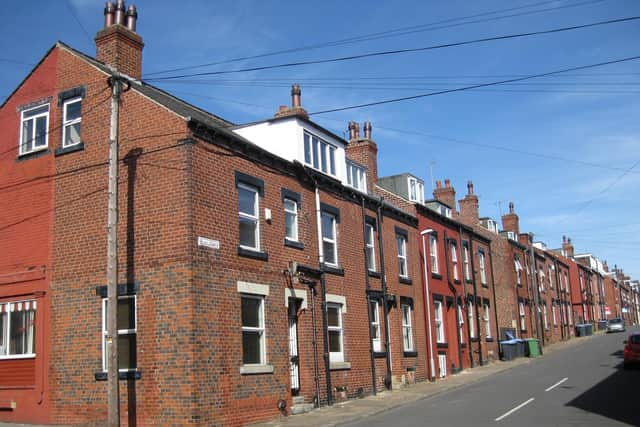

However, people in areas of deprivation are reported to be affected most by these dangerous temperatures, it is reported/
Victoria Eaton, Leeds City Council’s director of public health, said: “Rising temperatures affect everyone but the health risks aren’t equal.
“People in our most deprived and densely-populated areas – especially older adults, young children, pregnant women and those with long-term conditions – face the greatest risks.”
Extreme heat can make breathing harder and put extra strain on the heart, circulatory system and kidneys as they work to cool the body, with vulnerable groups – such as older adults, children, pregnant woman, people with long-term health conditions – most at risk.
Densely-populated, inner-city areas, where manmade surfaces such as concrete and asphalt absorb and retain heat, greenspace is reduced and tall buildings block airflow, creates a phenomenon known as the ‘urban heat island effect’, where temperatures can be up to 8C hotter than in rural areas.
Increasing temperatures due to climate change also introduce new threats such as longer pollen seasons, increased asthma cases during thunderstorms and the potential spread of diseases such as Lyme disease from ticks and mosquito-borne diseases like dengue and Zika.
The report highlights some of the creative projectsalready happening across the city to combat climate change, including work to enhance biodiversity through the creation of the city centre Aire Park and the planting of 100 community orchards - with Leeds set to reach the most in the UK outside of London – as well as the distribution of hot weather packs for people most at risk.
Key recommendations for city-wide action within the report include: expanding access to cool spaces; integrating more heat resilience into urban planning; continuing to prioritise investment in energy-efficient housing; and raising public awareness of the impacts of heat on health as well as ensuring frontline workers have the tools they need to support vulnerable groups.
The report was praised by the Association of Directors of Public Health as “particularly innovative”.
Climate change refers to long-term shifts in temperatures and weather patterns across the world, which since the 1800s, have been driven mainly by human activities, primarily the burning of fossil fuels. The average temperature of the Earth’s surface is now about 1.2°C warmer than it was in the late 19th century, before the industrial revolution, and warmer than at any time in the last 100,000 years, according to the United Nations.
The UK has committed to meeting a target of net zero – adding no more greenhouse gases to the Earth's atmosphere than the amount taken out – by 2050.
However, Leeds has an ambition to become the UK’s first net zero city by 2030. The council says it doing his with schemes such as Clean Air Leeds, Connecting Leeds – which promotes greener, active travel – and a proposed Local Plan Update.
Following the latest report, city leaders hope to draw on Leeds’s “proud history of collaboration, innovation, and resilience” to address the issue.
Councillor Fiona Venner, executive member for equality, health and wellbeing, said: “Climate change is a health crisis. The choices we make today will shape the wellbeing of future generations.
“Together we can create a Leeds that not only adapts to rising temperatures but thrives in spite of them.”
To view the report and an accompanying film, visit https://observatory.leeds.gov.uk/dph-report/