
Controversial changes to NHS transport sees non-emergency journeys drop
Controversial changes restricting patients’ access to NHS transport for routine hospital appointments have led to a 15 per cent fall in non-emergency patient transport journeys in Yorkshire.
Figures from Yorkshire Ambulance Service show a total of 676,000 non-emergency patient transport journeys were completed in 2025-26, down from 793,000 a year earlier, following rule changes across England.
The restrictions have been criticised by campaigners as they have left patients reliant on family and friends for transport.
Patients have cancelled appointments because they cannot afford journeys, spent hours travelling for short consultations, and paid large bills for taxi fares.
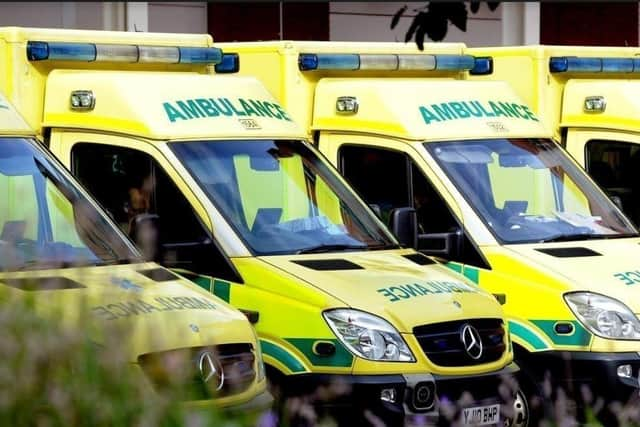

There was a significant fall in the number of NHS-funded journeys in taxis. These accounted for a quarter of all journeys in 2024-25 but this fell to only one in nine last year, delivering savings of £2.2m – nearly double the total expected.
In its annual report, Yorkshire Ambulance Service said the changes meant it could focus resources on people whose medical conditions “make independent travel to and from healthcare settings unsafe or impossible”.
The eligibility changes were agreed by NHS England in 2021 which ruled most people should travel to hospital independently using public transport, their own cars or with the help of relatives and friends.
It reserved NHS-funded transport for patients needing it for their safety, condition management or recovery.
But a report early this year by independent patient champions Healthwatch in North Yorkshire and York said the changes had hit patients in rural areas, disabled people and those with long-term conditions and complex conditions.
It said it had heard from people about “missed or cancelled appointments, increased financial pressures, long and exhausting journeys and a growing reliance on family, friends and voluntary transport schemes”.
“For some, the loss of patient transport support has affected their physical and mental wellbeing, reduced independence and increased anxiety about accessing essential care,” it said.
Healthwatch said people were being told they were not eligible as others could take them for appointments even when it was not realistic in practice. Some were facing financial pressures as they were reliant on taxis for long journeys.
It urged NHS and council leaders to review eligibility criteria and develop transport alternatives.
Healthwatch last month said its report had led to some action by NHS officials, including free parking for volunteer drivers from community transport schemes at hospitals run by the Yorkshire and Scarborough NHS trust.
Elsewhere, a new bus service is being proposed to link rural areas with the Friarage Hospital in Northallerton and the James Cook Hospital in Middlesbrough.
Healthwatch said there was growing recognition transport needs to be part of how care is planned around people’s lives.
It said: “For many people, transport is the difference between getting care and going without.
“In rural areas like North Yorkshire, these challenges can be even greater because of distance and limited transport options.”