
'Menopause left me feeling like the wheels had fallen off my life, now I help other women through it'
When Claire Hurst re-trained and changed her career, she did so in response to her experience with the menopause. For years, the now 52-year-old had struggled with symptoms and says she had seen herself shift from a “fit, active, really happy person” to feeling like “the wheels had fallen off my life”.

“I wasn't sleeping. I had weight gain. I was miserable. My mood was low,” she remembers. Anxiety surged, sleep disappeared, her confidence crumbled and her body felt unfamiliar.
A GP confirmed hormonal changes and Claire, who lives near Ilkley, was offered hormone replacement therapy (HRT). But she was still struggling with menopausal symptoms and it was impacting her experience at work in marketing.
“I remember being in a meeting and I couldn't remember people's names. It was my meeting and it was a massive project that was about to go live. I literally couldn't. My brain just stopped working and I thought this is not funny. This was about 15 years ago, way before people were talking about menopause and I certainly wasn't discussing it with my friends. I just thought this isn't okay. This cannot be it.”
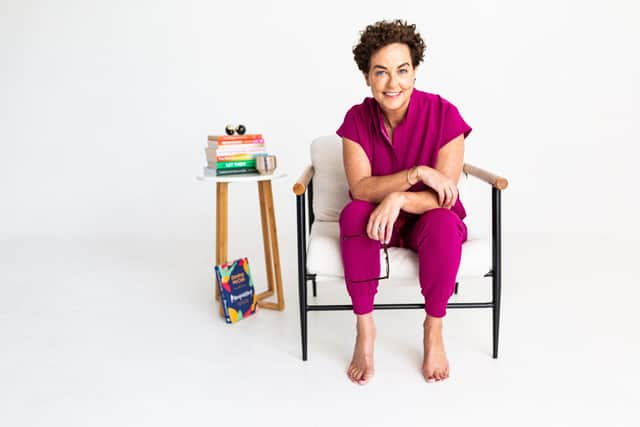

Claire had felt far from prepared for how early menopause would hit, how hard it would be, and how invisible she would feel while going through it. Rather than accept that it was just something to endure, she started asking questions. “Why did no one prepare us for this stage of life? Why were so many women struggling in silence? And why did the support feel so fragmented?” she reflects.
She began researching all she could about the menopause. “And I realised really quickly that we needed a toolkit. You can't just do one thing and fix the menopause - and we're all individuals,” she says.
She gave up her job and went back to study – first acupuncture, and then later courses in functional medicine, supplements and gut health. Four years ago, she launched The Rebalance Clinic to support women experiencing the menopause. “I help them create a toolkit that works with their life to manage their symptoms,” Claire explains. Together, they consider such things as sleep, stress, diet and gut health, and acupuncture.
“The menopause is a massive transformational stage, but with the right toolkit, with the right support, it can be an amazing time,” Claire says. “I get text messages from women who have gone back to work, women who feel like they have a life again.
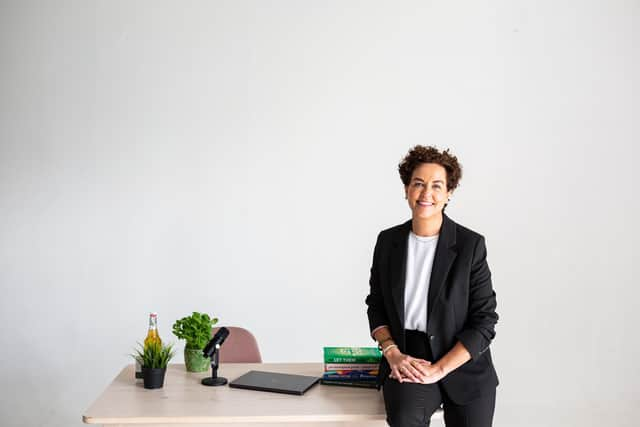
"We're talking about women who were stopping exercise, not being confident at work, having zero sex drive, feeling really anxious, and in some cases being truly depressed, now emerging and reconnecting again…They have control and they feel empowered because they have information.”
Claire also launched a second business, Rebalance Academy, focused on embedding menopause awareness and strategy into workplaces. With estimates suggesting 14 million working days are lost a year through menopause in the UK and that thousands of women leave the workforce as a result of symptoms, “there is going to be a massive skills gap if businesses don’t get this right,” Claire claims.
“I think women are frightened of saying for example they have got brain fog or are very tired. A lot of women are saying I daren’t tell anybody that I'm really stressed and I'm struggling at work because they're going to think that I'm unable to do my job anymore.
"(That’s why it’s important) we normalise the conversation, we educate, we put in reasonable adjustments. And particularly important, and where the most successful strategies are, is when we really bring men into the conversation as well.”
In 2023, Claire was dealt another “curveball” when she was diagnosed with breast cancer. Eighteen months of chemotherapy, radiotherapy and surgery followed. “Suddenly, I was navigating medical menopause, medical decision-making, treatment side effects and the emotional impact of cancer, all while continuing to support others,” she explains.
“It gave me a unique perspective on the complexities women face when menopause and cancer intersect, particularly those who cannot take standard hormone treatments.”
"What drives me is simple,” she adds. “I don’t want other women to feel as lost as I once did. Menopause should not derail a career, a sense of self or a future. With the right knowledge, personalised support and honest conversations, it can be a time of recalibration rather than decline.”