
Rankin photographs Hornsea man for campaign to highlight preventable amputation
Photographs of Hornsea man taken by Rankin to highlight preventable amputations.
A Yorkshireman has featured in a photographic project highlighting the scale of preventable amputations in the UK.
AmpuNATION, a project led by global healthcare company Abbott, launched with a series of portraits of real people living with amputation.
Shot by famous photographer Rankin, the images coincided with a health economics report published in the British Journal of Surgery and aimed to help people see and acknowledge the problem behind the statistics.


Shot by famous photographer Rankin, the images coincided with a health economics report published in the British Journal of Surgery and aimed to help people see and acknowledge the problem behind the statistics.
Among those photographed was John Edkins, 73, from Hornsea.
John, formerley of the Merchant Navy, has longstanding Type 1 Diabetes and circulatory issues which led to a knee amputation
He said: "Diabetes is a serious, complex condition, and I want people to understand that it’s not just linked to obesity or diet—it’s far more intricate.
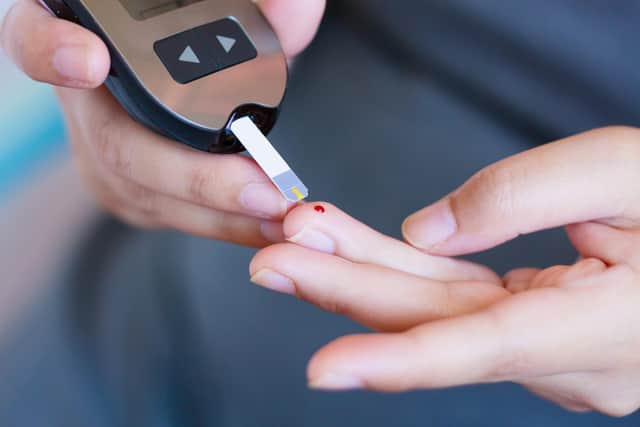
"I was faced with a choice of either amputation or perhaps not seeing my grandchildren grow up, so I hope that younger generations will learn from my experience and understand how lifestyle choices can impact their health long term.”
Speaking about the photoshoot, he added: “Working with Rankin was an incredible experience—he was friendly, down-to-earth, and very professional. Being photographed by him was an honour, but what made the shoot truly special was connecting with other patients who shared similar stories. It was a powerful reminder of why this campaign matters so much.”
People who undergo amputations often live with underlying health conditions including diabetes and Peripheral Artery Disease (PAD).
PAD is a common condition in which the vessels supplying blood to the legs become narrow or blocked, causing pain as the leg muscles do not get enough oxygen. Diabetes is a significant cause of amputations, even though 80 per cent of foot amputations due to diabetes are preventable.
In 2019, the number of people globally aged 40 years and older with PAD was 113 million, says Abbott. By 2030, one in 10 Europeans are predicted to have diabetes, according to the World Health Organization (WHO).
In the UK in 2021, more than 3,000 major lower-limb amputations took place as a result of conditions such PAD and chronic limb-threatening ischaemia (CLTI), the end-stage form of PAD.
An Abbott-funded report, written by leading vascular experts from the NHS, found that the health service could save more than £8m a year if the rate of major lower-limb amputations among CLTI index procedures is reduced from 10 per cent to three per cent across England and Wales.
Amputations can be devastating to people and their loved ones, both physically and emotionally, says Abbott, as a third of all limb amputees live with clinically significant depression.
PAD does not affect society equally, with women experiencing a faster decline in quality of life than men and black patients facing a 37 per cent higher risk of amputation than white patients.
The AmpuNATION initiative calls for increased awareness of PAD and the threat of amputation in key at-risk groups, faster diagnosis and referrals, consistent standards of care and a clear pathway for people living with PAD.
Professor Athanasios Saratzis, Professor of Vascular Surgery at the University of Leicester, and Royal College of Surgeons Vascular Specialty Lead, said: "Our clinical and health economics’ assessment shows that the NHS could save millions of pounds a year, and improve outcomes for patients, by increasing revascularisation rates and reducing the number of preventable amputations in peop l e with PAD. As a treating clinician, I see the devastating impact that amputation has on people. They don't just lose a limb, they lose their confidence, their freedom, autonomy, and many lose the motivation to keep fighting their condition. We must increase awareness, provide timely diagnosis and treatment, and embrace the innovations that can reduce the number of amputations in the NHS.”
Jonathan Wood, regional director, Abbot Vascular, North Europe, added: "Every preventable amputation is a tragedy, not just for the patient but the loved ones around them.
"At Abbott, we are proud to support the AmpuNATION initiative to raise awareness of the signs of PAD to reduce the number of amputations.”