
Sir Alan Langlands: Looking back on a remarkable century of progress as Yorkshire Cancer Research turns 100
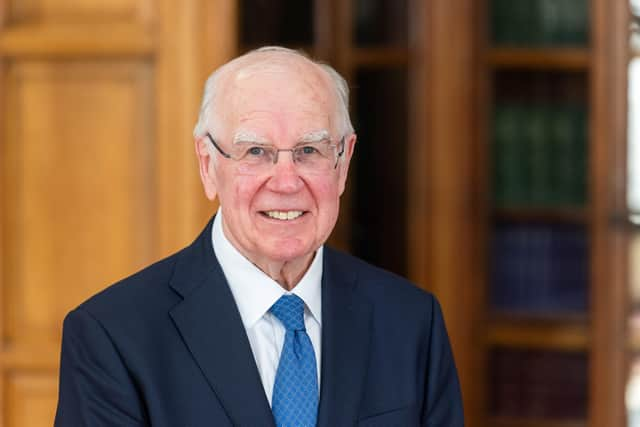
Yorkshire Cancer Research celebrates 100 years of life-saving cancer research in Yorkshire this month. In May 1925, the charity was born in the Old Medical School in Leeds where notable Yorkshire figures gathered to embark on an urgent mission to ‘slay the dragon cancer’. 100 years on, the vital mission of those early pioneers – including my predecessor Sir Berkeley Moynihan, the charity’s first Chairman – continues.


For a century, Yorkshire Cancer Research has funded cancer research in Yorkshire, so people in the region may be among the first to benefit from potentially life-saving discoveries. From a century of progress, some notable achievements are worthy of special mention:
Shortly after the charity’s foundation, Isaac Berenblum’s discovery of the effects of mustard gas on tumour growth in 1929 marked a crucial first step towards chemotherapy. Later, Georgiana Bonser, the charity’s first female researcher, led ground-breaking research into industrial cancers. By 1932, Sheffield scientist Professor Edward Mellanby led research into links between diet and cancer – ahead of his time.
With support from Yorkshire Cancer Research in the 1970s, renowned pharmacologist Craig Jordan discovered Tamoxifen, a global hormone therapy drug now considered to be one of the world’s most essential breast cancer medicines. This Leeds discovery is used by millions around the world to both prevent and treat breast cancer.
In the 1990s, University of York Professor Norman Maitland made ground-breaking discoveries in prostate cancer genetics. In 2005, Professor Phil Quirke helped establish Leeds as a global centre of excellence for bowel cancer, helping to change the face of surgery in Yorkshire, and beyond.
In Sheffield in 2005, Dr Thomas Helleday made a breakthrough in understanding how a new class of drugs called PARP inhibitors work, leading to the discovery of the drug Lynparza in 2014 which has treated over 140,000 people worldwide. More recently in Leeds, Mat Callister and Rachael Murray’s innovative mobile cancer prevention and screening trial helped usher in a national NHS lung screening programme that will save thousands of lives a year.
Reflecting on 100 years of cancer research progress, it is important to recognise the talented researchers whose passion and commitment have led to life-giving discoveries. The Yorkshire Cancer Research Fellowship programme is an example of how investing in emerging research talent is vital for growing and retaining cancer research capability and expertise in Yorkshire.
Part of this programme involved ten bright young researchers from Leeds being awarded £4 million to help transform the diagnosis and treatment of cancer. Through their own endeavours and tenacity, these researchers turned the original investment into £76 million of extra funding, further cementing Leeds as one of the country’s leading hubs for patient-focused cancer research. Without initial funding from Yorkshire Cancer Research, these talented researchers would have made their home in other parts of the country.
Many have now become leaders in cancer research, attracting bigger-scale projects to the region. Professor Jenny Seligmann, who rose through the charity’s Fellowship Programme, now leads an international clinical trial aimed to enhance bowel cancer treatment around the world, from her base at St James’s University hospital in Leeds.
Today, Yorkshire Cancer Research works with over 700 researchers and cancer experts, driving vital progress across the region and beyond. University of Sheffield Professor Jim Catto’s prostate cancer screening research, developed with Yorkshire NHS Trusts and Queen Mary University of London, holds the potential to shape the development of a much-needed national screening programme. Meanwhile at Sheffield Hallam’s Advanced Wellbeing Resource Centre, Professor Rob Copeland’s pioneering exercise programme is transforming the lives of people preparing for and recovering from cancer treatment thanks to the growing number of NHS Trusts helping deliver this innovative service – already to 2,000 people across the region.
In Hull, Professor Una MacLeod’s TRANSFORM research programme will help reduce health inequalities by working with hospitals and in communities to address challenges in areas of Yorkshire where cancer outcomes are among the poorest in the country.
Research funding from Yorkshire Cancer Research plays a vital role in building collaborative partnerships with Yorkshire’s universities and healthcare institutions. Fostering greater collaboration will increase the region’s research capabilities and prove to the next generation of cancer experts that Yorkshire is truly a place for cancer research to thrive.
None of this would be possible without the humanity, commitment, and hard work of the researchers and clinicians, and the charity’s supporters, employees, and volunteers. Together, they bring us closer to fulfilling the enduring vision of the charity’s founders: a cancer-free Yorkshire. I thank them all.
Sir Alan Langlands, Chair of Trustees at Yorkshire Cancer Research and former Chief Executive of the NHS in England