
1697 Whitby wall to be dismantled by Yorkshire Water
AN historic entrance wall belonging to one of Whitby’s most significant listed properties can be temporarily dismantled to allow construction vehicles access for a major Yorkshire Water infrastructure project.
North Yorkshire Council has granted planning permission for the temporary removal and rebuilding of part of the entrance wall serving Ewe Cote Hall, a Grade II* listed property west of Whitby.
The works are required to facilitate wider sewer network improvements planned by Yorkshire Water.
The utility company said the wider project will involve installing a new gravity sewer network to connect additional properties to the existing wastewater system.
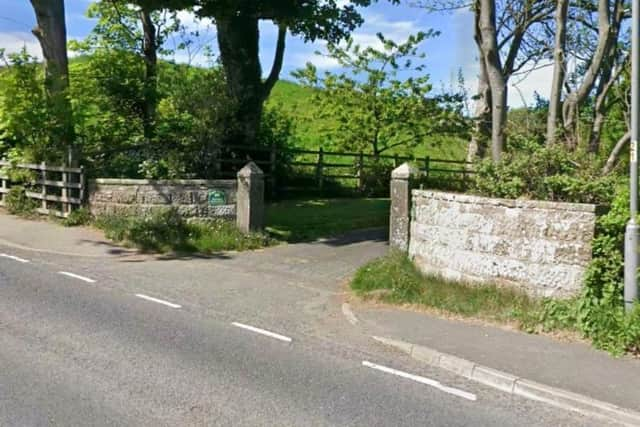

Most of the works can be carried out under permitted development rights, but separate planning permission was required to temporarily widen the access and dismantle part of the historic wall.
The affected wall forms part of the curtilage of Ewe Cote Hall, which dates back to 1697, and sits within a wider collection of listed buildings including historic cottages, stables, outbuildings and garden walls.
Planning documents state that construction vehicles need access to a temporary compound and that part of the eastern entrance wall must therefore be dismantled before being rebuilt once the sewer works are complete.
To protect the historic structure, every stone will be carefully recorded, numbered and photographed before removal.
The submitted plans state: “The stone wall will be comprehensively surveyed and recorded.”
It adds that all stonework will be marked and numbered before being dismantled and later reconstructed using traditional masonry techniques.
The council’s conservation officer said the proposal would result in a degree of harm because dismantling the wall would temporarily remove part of its evidential and historic value.
The officer’s report states: “The proposal would result in harm to the significance of the heritage asset with the dismantling of the eastern entrance gate and wall and the loss of part of its evidential value.”
However, planners concluded that the harm would be less than substantial and could be justified by the wider public benefits of the sewer improvement works.
Historic England raised no objections to the proposal.
Permission has been granted subject to strict conditions requiring the wall to be rebuilt using appropriate lime mortar and traditional construction methods.
The council has also imposed a requirement that the wall be reinstated within two years of work beginning.
Planning officers concluded: “The proposal would preserve the character and appearance of the site through the careful reconstruction of the wall using reclaimed materials.”