
Chatsworth cascade: Alan Titchmarsh champions £7.3m restoration of garden water feature
For a year now, the beating heart of Chatsworth House Garden has been quiet and still. “I don’t think we realised quite how much we would miss it until it was switched off,” reflects Jane Marriott, the director of the Chatsworth House Trust. “That emptiness, that quiet.”
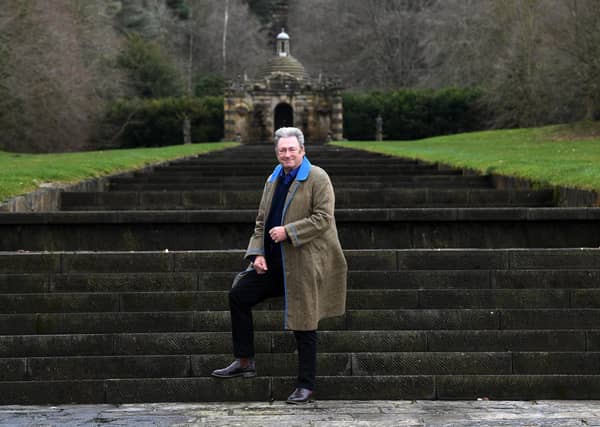


She is talking about the beloved Chatsworth cascade, which has been a centrepiece of the garden for more than 300 years. Until last March, water had flowed down its 23 steps, descending 60 metres.
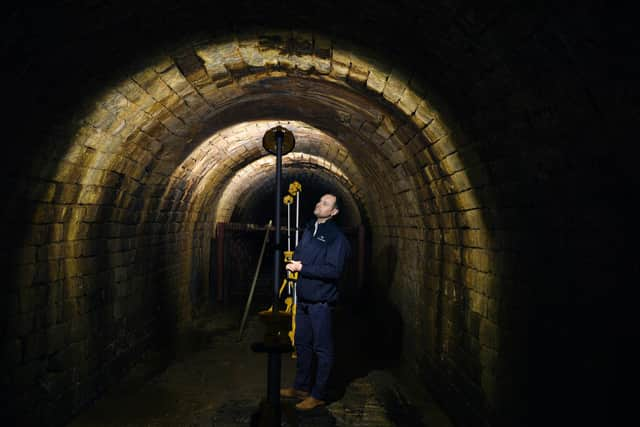
But centuries of use have weakened the cascade and serious water leakage through the stones and into a tunnel beneath it put it at risk of structural collapse.
To prevent further deterioration, the water flow was turned off – and now the Chatsworth House Trust is embarking on a major restoration project to preserve the feature for generations to come.
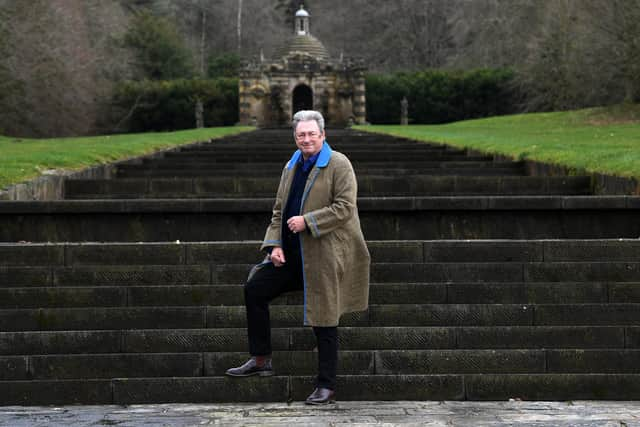
Yorkshire gardener, broadcaster, and author Alan Titchmarsh is passionate about the project.
“Apart from being an enormously important historic construction, the cascade is a custodian of memories, from when we came here, or from when our grandparents and parents brought us here,” he says. “It’s not just sentiment that has nowhere to go, it’s sentiment that helps us to become better stewards and custodians of our landscape.”
“I see the cascade as among if not the most important water feature, certainly in Europe,” he continues. “Nothing sits in the landscape so commandingly as the cascade at Chatsworth. It is the beating heart of this garden.”
Ilkley-born Titchmarsh was speaking this week at the world famous estate in the heart of the Peak District. He was the host of a panel discussion about the cascade and the progress of the drive to make it flow once again.
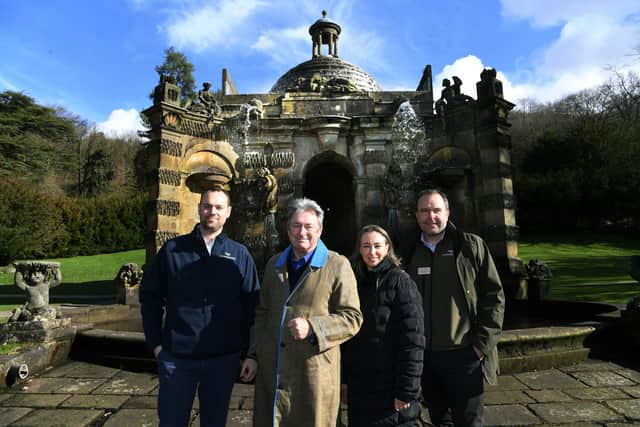
Rob Harrison, head of operations, says planning requests have been submitted to the National Park Authority and he is hopeful that spades will be in the ground by this time next year.
If all goes to plan, water could be flowing down the restored cascade by late 2027.
Marriott says: “Of course it is about saving heritage, it is about saving this incredible feat of engineering, it is about saving this great monument in the landscape. But I think for all of us, it’s so much more than that because it really does touch people’s hearts…To have a place like this to come and escape to, we really believe is very important.”
This week, the trust sent off an application to the National Lottery Heritage Fund to help cover the costs of the £7.3m project.
Just under £5m will, it is hoped, come from the fund, but the trust needs to plug the £2m gap. It is approaching other trusts and organisations who may want to support the restoration, and is appealing to the public for donations, in the hope of raising £250,000.
As well as the option to donate, there is also the opportunity to sponsor a stone – over 100 make up each of the Grade I-listed cascade’s 23 steps. Nearing 300 have been sponsored to date, and public donations now total more than £80,000.
“This is a fantastic opportunity to be part of Chatsworth and Chatsworth’s story,” says Sarah Owen, director of development. “The contribution will help safeguard this cascade for many generations.”
So far, she says, the project has opened up conversations with visitors about what Chatsworth and the cascade means to them.
Alongside the restoration, the charity plans to work with local schools and organisations to design learning programmes and promote the health and wellbeing benefits of being in nature and near water.
The trust, which is dedicated to looking after the house, collections, garden, and parkland, also wants to showcase the stories of Chatsworth, Owen explains – as a place of ingenuity, community and ecology, as well as sharing tales of the cascade itself.
The original design was completed in 1696 by Monsieur Grillet, a French hydraulics engineer. It wasn’t long before The 1st Duke of Devonshire then decided to enlarge the cascade and a new temple, called the Cascade House, was constructed at the top, featuring spouts and fountains.
By the early 1800s, the cascade required frequent repairs and renovations – and the construction of a coal tunnel beneath it in the 1830s, which was designed to supply heat to the Great Conservatory, created further structural issues.
Still, the waterworks system is a feat of nature-based engineering. Water from the moors above Chatsworth House flows down through the woodlands and gardens, powering the cascade and other water features, as well as a hydroelectric turbine which has provided electricity since 1893.
Steve Porter is head of gardens and landscape and has been collating archive material on the cascade. “What’s remarkable to me is that through the last 300 years, it has remained static,” he says. “It is the beating heart, the centre of the garden, it is the thing that people gravitate towards. And yet the landscape around it has changed so dramatically (in that same time).”
For many, the cascade is a cherished feature of the garden at Chatsworth, delighting visitors and staff alike. It’s been many things – the backdrop to picnics with family and friends, for example, a quiet place for contemplation, or a spot to cool down after a hot day of exploring the grounds.
Each member of the panel discussing the cascade this week had their own fond memories too, from their ‘grumpy’ teens pulling off shoes and socks to take a paddle, to walking up the cascade as a child holding a parent’s hand.
Titchmarsh first visited in the 1980s. “When I saw the cascade, like most people, I was absolutely incredulous at the age of it,” says the 75-year-old, who was this year appointed Commander of the Order of the British Empire for his services to horticulture and charity.
“There’s something very modern about it in its appearance. It’s very chic, it’s very sleek…Like everybody else who has come here, I’ve paddled in it. My feet have been hot having walked all the way around the garden and I’ve just sat on the edge…There’s something really friendly about it.”
“To be able to do our bit and make sure this is handed down to our children and grandchildren and their children is so important,” he adds. “This work is going to cost a lot of money but that will see it be fine for another century, God willing…This astonishing water feature must be allowed to carry on inspiring people and beautifying and enhancing this garden for centuries to come.”
For more information, and to donate, visit cascade.chatsworth.org