
Folklore: Uncovering the mystery of the mermaids of Yorkshire's coastline

Mystery surrounds the many tales of folklore and superstitions so prevalent along Yorkshire's coastline.
Now, delving deeper into the origins of a Staithes sea legend, new light is shared on one story's past.
What it uncovers is a rich thread from history, and of a tale of two mermaids who threw down a damning curse.
Prof Sarah Peverley, a folklorist from the University of Liverpool, has helped craft a booklet for Staithes Museum.
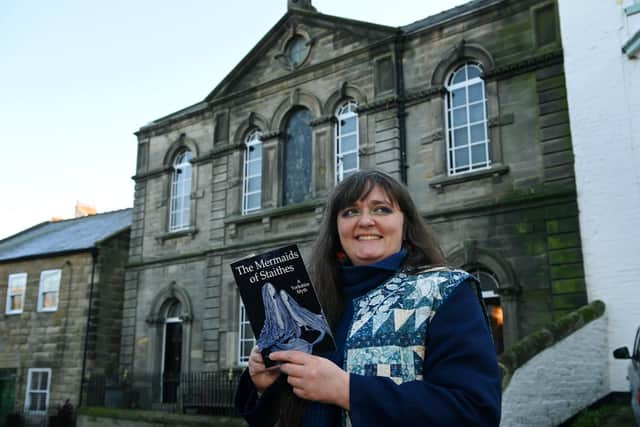

She began exploring a project around Mermaids of the British Isles and Ireland about a decade ago, mapping what she found.
"Our islands are just replete with mermaid iconography," she said. "When I started mapping the folklore of mermaids I came across a reference to the Staithes mermaids - but I could only find it online - it was always just hearsay."
With another folklorist, Chloe Middleton-Metcalfe, the pair began delving deeper into history.
Eventually, they were able to find a written copy of the story in the Whitby Gazette.
Dated March 1924 it was an account by shopkeeper Robert Brown, born into a fishing family but with a disability that meant he couldn't follow in his father's footsteps.
Instead he became the town's unofficial folklorist, documenting these tales.
The story tells of two mermaids who were washed ashore after a storm. Captured and mistreated by villagers, they were imprisoned and mocked, only to escape back to the sea.
Before disappearing beneath the waves, one turned back toward the village and uttered a cryptic curse of flooding: “The sea shall flow to Jackdaw’s Well”.
Her companion cried out, “Now you have told them all!” To which the first mermaid replied, “No I haven’t. I have not told them what the egg-broth comes to!”
The use of this phrase, referencing the water eggs are boiled in, could be what dates the tale to the 18th century, and to others recorded in places such as the Isle of Man.
Prof Peverley's research, published last summer in the Folklore journal, suggests such stories would have been a way to explain the unknown. They might have come in response to disasters such as floods, landslides or coastal erosion.
"Staithes is steeped in traditions which have survived a lot longer than they might have in some places," said Prof Peverley. "The mermaid legend falls into that.
"This was a type of story that people would use to explain geographic or supernatural things they couldn't otherwise understand.
"There's a tendency for us to think that climate change and rising sea levels is more of a modern phenomena," she added. "What these stories show us is that coastal communities in particular have always been vulnerable to environmental changes."
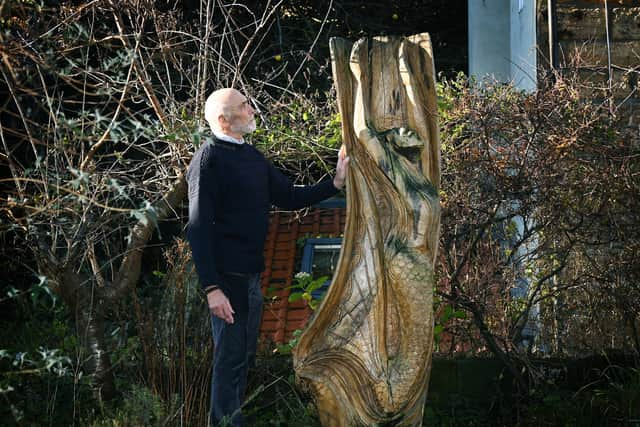
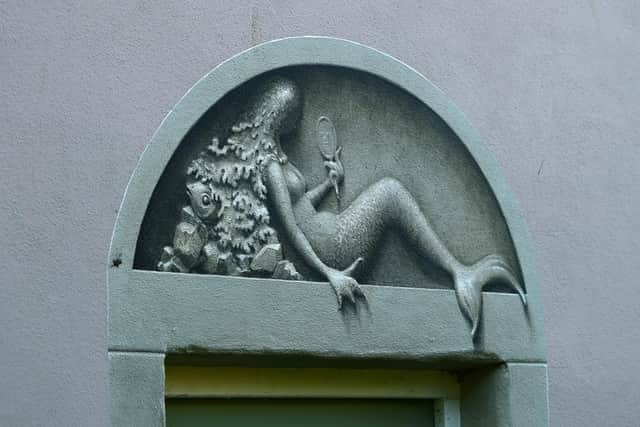
Staithes today maintains elements of its mermaid lore, in an illusion trail, carved sculptures and paintings and now with the new booklet for the Staithes Museum featuring artwork from Yorkshire artist Tess Willoughby.