
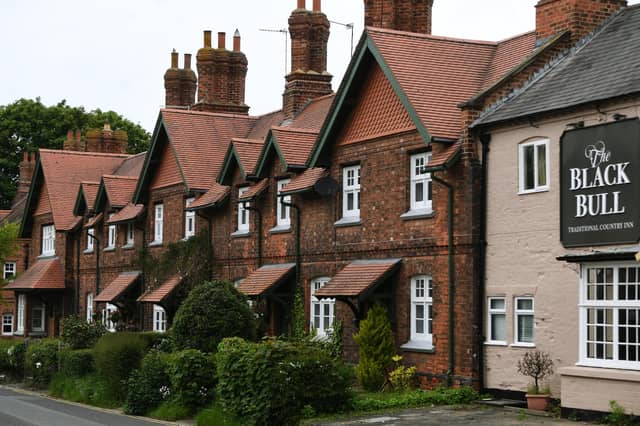


We featured well-known villages such as Harewood, Sledmere and Wentworth, all popular with visitors, as well as some lesser-known examples. The article was so popular that we have detailed several more below. Not all are still in the ownership of the original lords of the manor, and in some cases only a few estate properties remain, but all carry signs of their feudal pasts.
To read the original feature click here.
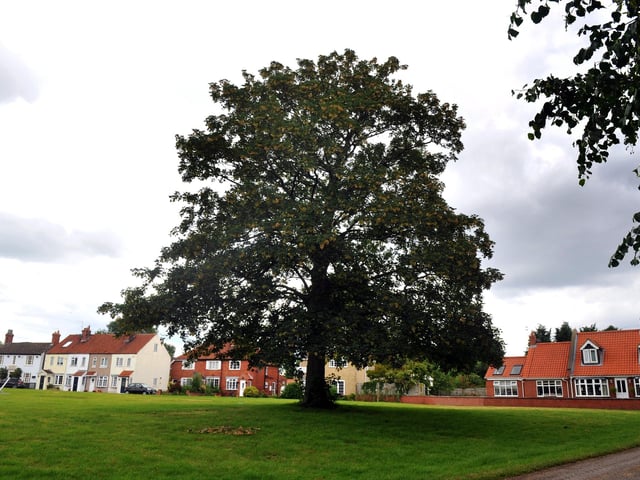
9. Appleton Roebuck
Nun Appleton Hall near Selby was built in the 16th century by major Yorkshire landowners, the Fairfax family. The estate later passed to industrialists, including the Milners, who made their fortune from the Aire and Calder Navigation canal, and in the late 19th and early 20th centuries, Bradford wool barons Angus Holden and then Benjamin Dawson. The village of Appleton Roebuck was the home of the estate workers, though by World War One and the Milner family's demise, many of the tenant farms had been sold. The village pubs, The Roebuck and The Shoulder of Mutton, are both part of the local Samuel Smith's brewery, and are effectively estate-owned today as in the 1980s, brewery owner Humphrey Smith bought Nun Appleton from Benjamin Dawson's daughter. It is now empty, but The Roebuck pub was part of the Samuel Smith's empire in Dawson's day - bringing things full circle. Photo: Gary Longbottom
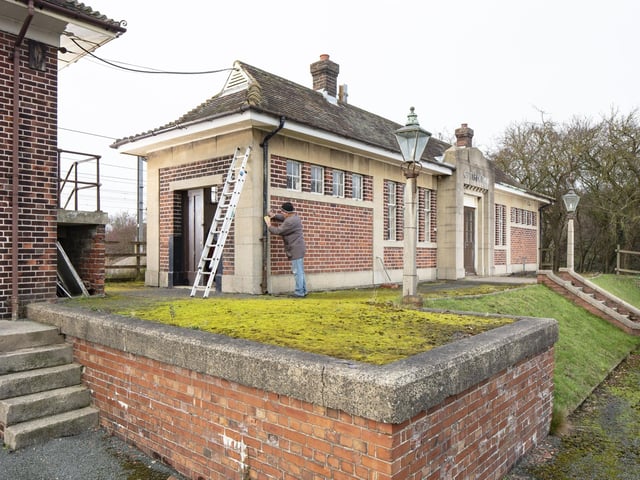
10. Otterington
North and South Otterington are near Northallerton. Before the 20th century, the Georgian Otterington Hall was owned by a naval officer who served in the Napoleonic Wars, and by 1918 it was acquired by the Furness shipbuilding family. Like many industrialists from the Tees, they looked for a country seat in the Hambleton district within travelling distance of their business. There was initially an air of tragedy around the arrival of widowed Mrs Furness and her four children, but they became enthusiastic gentry and restored the gardens. The kitchen garden remains productive today. For most of the 20th century, the most prominent member of the family was unmarried daughter Mary Furness, a keen hunt master. She remained with her mother at the hall until her death in 1939, and passed away herself in 1990. The house, grounds, woodland and pheasant shoot were sold, but the family of her brother Christopher kept the farms and remain in the village today. Otterington Hall is now owned by former Middlesbrough mayor Andy Preston. Photo: Historic England
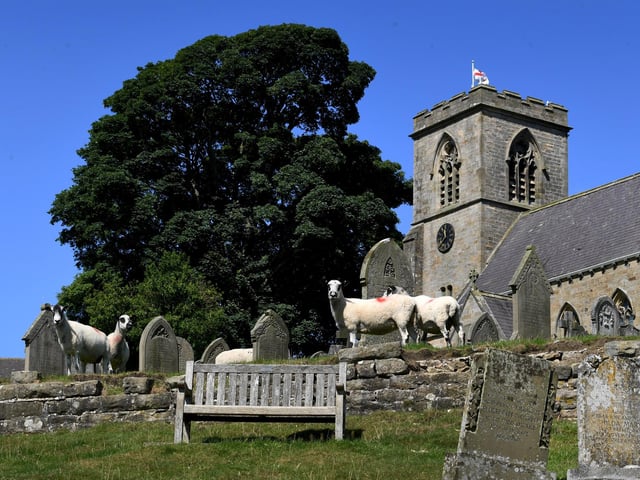
11. Middlesmoor
In deepest Nidderdale, the road peters out in Middlesmoor. Originally a Victorian grouse shooting estate, the sport has declined in recent years and moorland restoration projects are being pursued. The land is owned by the Ramsden brothers, whose ancestor, an industrialist, bought it in 1919. There are 13 farms, with tenants including a Wensleydale cheesemaker and a sheepdog breeder. The Crown Hotel pub is estate-owned, and local grouse are on the menu. The landlords still take a keen interest in the village's survival. Photo: Simon Hulme
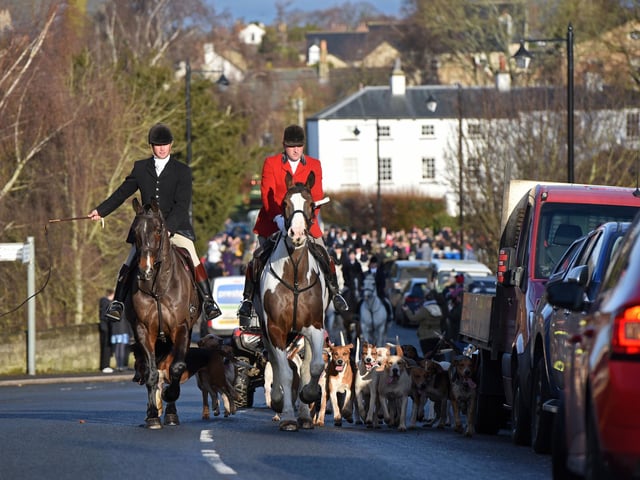
12. Aberford
Aberford, between Leeds and Wetherby, was once part of the Gascoigne family's Parlington estate. They owned a hall, since demolished, and built almshouses in the village that still stand today. By World War Two, they were living at Lotherton Hall, which they then gave to Leeds City Council. The historic parkland, which includes the Home Farm and racing stud, are part of a large site earmarked for housing development. Photo: Asadour Guzelian