
Fox’s Pulpit: The Yorkshire rock which is a place of pilgrimage for many Quakers
The Religious Society of Friends, better known as the Quakers, was founded by George Fox, the son of a Leicestershire weaver.
The movement – one of several dissenting Christian groups to emerge at the time of the English Civil War – believed it was possible to have a divine experience without priests and religious ceremonies, with God speaking directly to each person as an ‘inner light’.
A pivotal moment in the birth of Quakerism came on Sunday, 13th June 1652, when the charismatic Fox preached to around 1,000 ‘seekers’ from a limestone rock on Firbank Fell near the former West Riding town of Sedbergh.
Now a place of pilgrimage for Quakers from around the world, the rock has become known as Fox’s Pulpit.
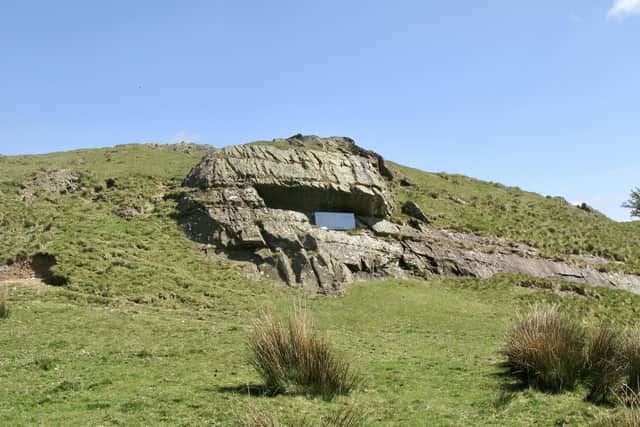

A metal plaque states that he preached there for three hours, adding: “Many men and women convinced of the truth on this fell and in other parts of the northern counties went forth through the land and over the seas with the living word of the Lord, enduring great hardships and winning multitudes to Christ.”
A decade later the movement was outlawed by the Quaker Act, which punished those who refused to swear an oath to the King, and the Conventicle Act, which prohibited unauthorised religious meetings of more than five people.
Fox and thousands of other Quakers were imprisoned for a time.
On his release, Fox crossed the Atlantic and visited the Continent to establish Quakerism there.
It finally became legal in England with the passing of the Act of Toleration of 1689.