
Iron Ladies: Meet the women who were the 'backbone' of the miners' strike
A new film explores the role of women in sustaining the miners’ strike, including in Yorkshire and how many are still active in their communities today. Laura Reid reports.
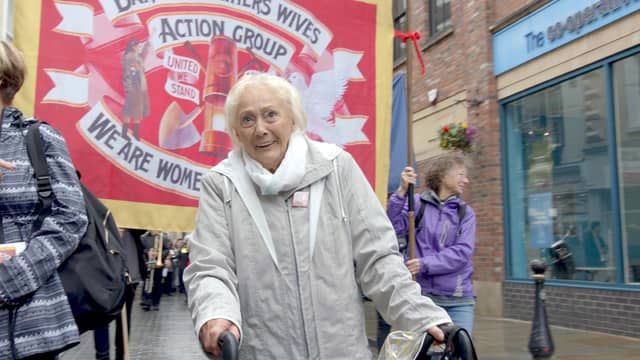


It was one of the biggest industrial disputes of post-war Britain, one that saw thousands of miners and their union clash with the then Conservative Prime Minister Margaret Thatcher over pit closure plans that would threaten their livelihoods.
Forty years on from the 1984-85 miners’ strike, despite the hardship, desperate struggles to make ends meet and the eventual defeat, many of those who took a stand say they would still do it again. That includes the thousands of women who became the backbone of the battle and whose stories are being told in Iron Ladies, a new documentary film released in UK cinemas from today.
The footage shines a light on the iron-will of working class women across the nation who maintained the strike as they fought for the future of their communities. Also key for director Daniel Draper was highlighting how many of the women are still active champions of their towns - and people - today.
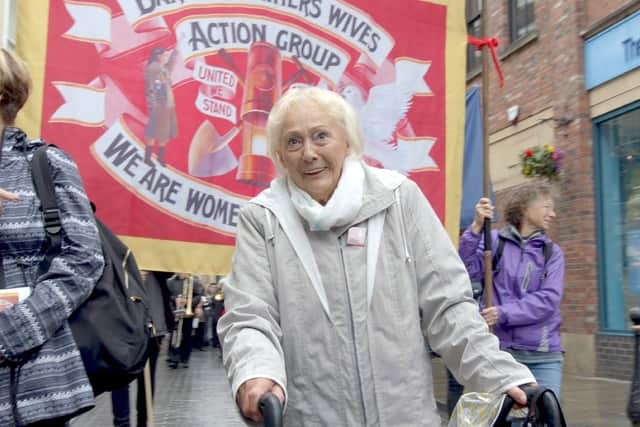
“The fire is still there,” says Daniel, one of the founders of Shut Out The Light Films. “This is not solely a nostalgia piece. Many of the women are still active today in their communities - and we want to get across that they still care, they still fight.”
Take contributor Kate Flannery for example. As a member of the Sheffield Women Against Pit Closures group, she supported the strike with fundraising collections for miners and their families and attended rallies and demonstrations.
Four decades later, she is secretary of the Orgreave Truth and Justice Campaign which, after years of pushing, welcomed the “historic and momentous” announcement in July of a public inquiry into the Battle of Orgreave - a violent clash between police and picketing miners during the strike in 1984.
The daughter of activists, Kate was 23 and working as a clerical officer in social services when the strike began. An active member of Sheffield’s trade union movement, she was involved in early conversations about how women could stand in solidarity with miners and support their local communities.
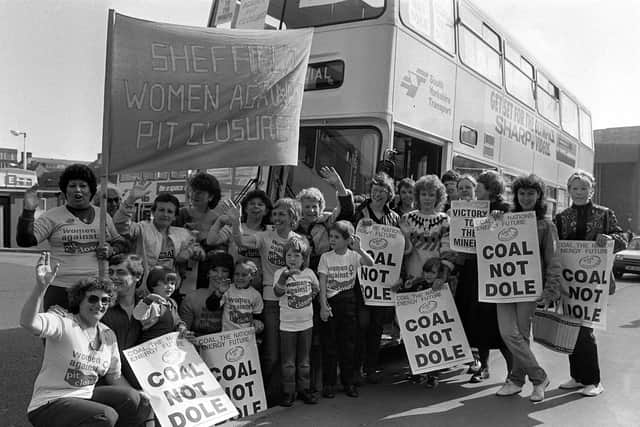
“We had an incredibly active trade union movement in the city and we knew what was coming in relation to the miners’ strike,” she recalls. “In Sheffield, most families worked in steel or coal and we knew what was at stake if pit closures went ahead.”
“The role of women was absolutely essential,” she continues. “The men were fighting for their livelihood and we were there to show solidarity and support because we knew what that meant for the whole of Britain. It wasn’t actually just about mining communities - once you destroy an industry like that, one that’s so massive - coal powered Britain - it has incredible knock on effects for everybody, for local commerce, for the economy.
“I think women were the backbone of the strike, I think they sustained it with their incredible organising and fundraising skills, and many were also competent, confident speakers as well at rallies and meetings (drumming up support).”
It was typically women who ran food kitchens for struggling families left without an income and it was them too who would get banners and leaflets made to champion the cause. Kate, who still lives in Sheffield, also remembers going on picket lines.
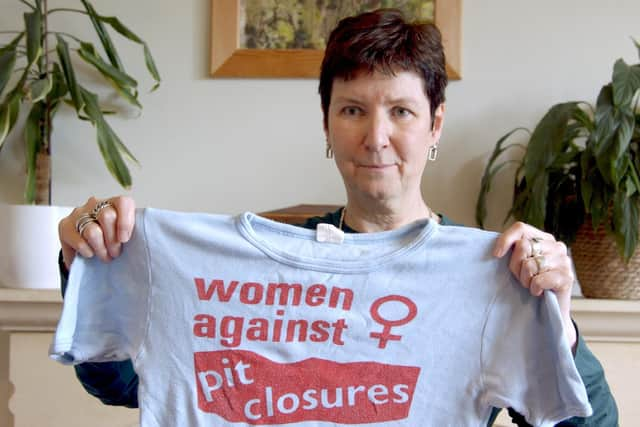
“We went on this one picket (in Nottinghamshire) and the police were very unpleasant to us. There wasn’t any violence on that particular picket line but they threatened us that if we stood on a certain part of the road, we’d likely be arrested so we had to stand on the pavement. When they weren’t looking, we’d put our foot on the road behind their backs.
“When we got back to the minibus and the car (we’d come in), they had both been tampered with. I can’t quite remember but I think the minibus had its brakes severed and the car had its wheels let down. It’s anybody’s guess who would have done that.
“There was a very heavy police presence on all the motorways. If they suspected anybody was travelling to a picket line, they’d stop the car and ask you where you were going and if they thought you were going to a picket line, they’d make you turn around.”
Kate, who went on to work in equal opportunities in Sheffield City Council, often reflects on the strike days and what she learnt from the experience and from the many inspirational women involved in activism. “A lot of the skills I have developed over the years, I’ve learnt from those early days of being involved in my trade union and Sheffield Against Pit Closures,” she says. “It was a massive and important learning curve for us all.”
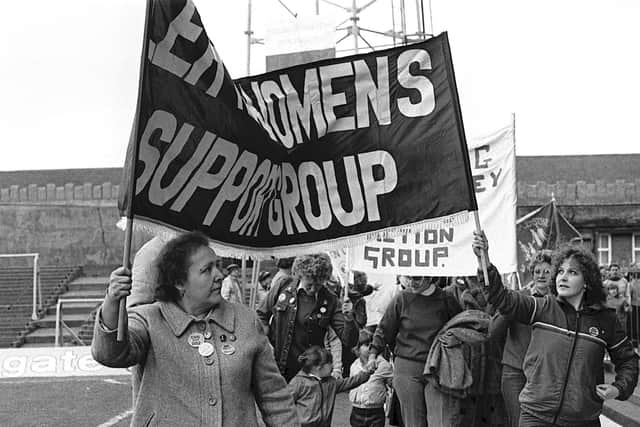
Kate is one of 20 women featured in the film, alongside the likes of Betty Cook and Lorraine Stansbie, who were both key in the anti-pit closure movement in Yorkshire. Iron Ladies explores how the women’s actions reshaped the landscape of political activism for working class women, with many still active today.
“Amazing women from across the country shared their stories with us - tales of community, creativity and class solidarity,” Daniel says. “There have been plenty of films about the Miners’ Strike, but we believe there is space for a film dedicated to women who contributed so much. This is not just a story of the past. All our contributors are still politically active and live in the communities that bear the scars of 40-years ago. Filming this documentary over 18-months allowed us to capture the spirit that still exists today.”
“Women were perhaps the smallest cogs in the machine but the ones that were most important - in terms of organising, fundraising, education, understanding the law,” he adds. "All these little things make up the bigger picture. A lot of documentaries about the strike are focused on Thatcher vs (Arthur) Scargill (then President of the National Union of Mineworkers) and that’s the bigger picture but on the ground, at the grassroots of it all, it was these little acts that maintained it.”
Iron Ladies will be released in UK and Irish cinemas from October 10. Screenings will take place at Pictureville, Bradford until October 16, at City Screen Picturehouse in York on October 18 and at The Red Shed, Wakefield on November 29. To book tickets, visit www.shutoutthelight.co.uk/iron-ladies