
New Yorkshire exhibition follows bloody trail of vampire stories throughout history
It’s Hallowe’en and Catherine Scott explores a new exhibition at the University of Leeds that explores our fascination with vampires throughout history. Pictures by Jonathan Gawthorpe

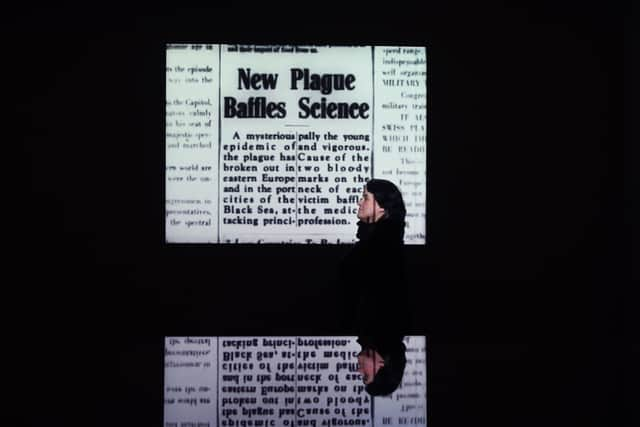
A new exhibition at the University of Leeds follows the bloody trail of the vampire through artistic movements and cultural moments from ancient times to the present, reflecting the terrors and obsessions of each age that summons it.
Quite Shameless: Cultural Reflections on the Vampire at Treasures of the Brotherton, University of Leeds features handwritten manuscripts and first editions of Gothic literature, but also looks to ancient folklore, science, medicine, theatre and contemporary cultural anxieties to piece together a picture of a truly immortal fiend.
“The vampire is unlike other monsters: it frightens and fascinates us,” says Literary Archivist and co-curator Sarah Prescott.

“This exhibition explores how this came to be through some of the exceptional letters, manuscripts and books in our collections – some we have had for more than 100 years.
"As we’ve worked on Quite Shameless, we’ve discovered just how long stories of the returning dead have captured imaginations, and how the figure of the vampire has been used to reflect society’s fears, anxieties and hidden desires.”
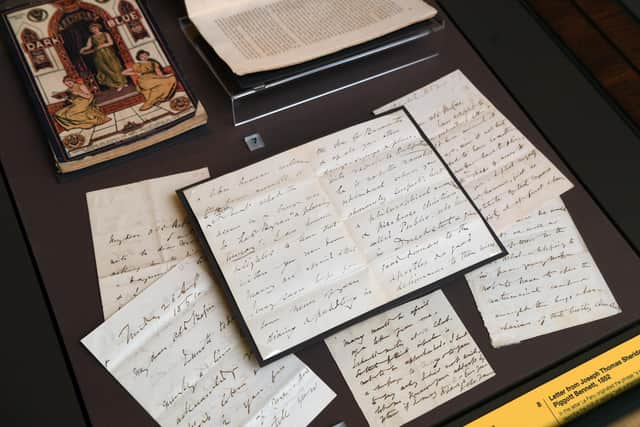
It includes a letter from Bram Stoker after the publication of Dracula in which he says: “Lord forgive me, I am now quite shameless!”
This and other unique items from Leeds’ collection of Stoker correspondence and manuscripts – including some 3,000 letters – show the fascination with the literary vampire and form the inspiration behind the exhibition.
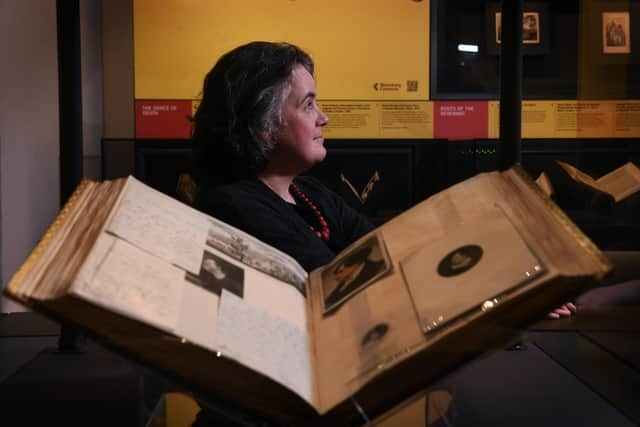
Dr Emily Middleton from the School of English at the University of Leeds, has been supporting a volunteer research project on the 3,000 Bram Stoker letters in Cultural Collections in the run up to the exhibition.
“Very few of Stoker's letters ever mentioned Dracula, but recently students and volunteers working with Cultural Collections have found at least 17 letters written to Stoker by friends who read the book, from the wife of the Bishop of Ripon who saw it as a 'painfully, hideously true' allegory of sin, to former Prime Minister W. E. Gladstone who congratulated Stoker on its success.”
"For fans of Dracula it is a really interesting insight into how the book was initially received on publication in 1897,” says Prescott.
Stoker’s expansive fund of inspiration is seen in books on Hungary and Transylvania to Sabine Baring-Gould's 1865 Book of Were-Wolves, documenting canine teeth, pointed nails, transformations, wolves and eerie blue flames.
“This exhibition is the result of an exciting exchange of ideas, bringing together material from 14 different subject collections in collaboration with 14 stakeholders,” says Exhibitions Curator (Cultural Collections) Dr RJ Wade.
“Their expertise spans digital humanities, folklore, classics, film and East Asian studies, inclusive learning, local history, events programming and goth culture.
"Together, we have quite shamelessly created an exhibition that is unmistakably rooted in Leeds, drawing on collections of international significance.
"One of the really exciting ones is a collection of animal skulls from the University of Leeds School of Dentistry Museum from the early days of the medical school.
"We have a lion, a tiger, a vampire bat, a fruit bat and a rat’s skull alongside casts of dental deformities and really beautiful wax models of the dental structures.
"I twill be the firs time this collection has been seen in such a public way.”
The exhibition also highlights Yorkshire’s significance in the history of the vampire, where stories emerge from the pages of ancient manuscripts - and from the soil itself, with gruesome finds from an archaeological dig at Wharram Percy providing evidence of medieval fears of the dead walking again.
“Byland Abbey is the source of some gory medieval revenant stories, discovered and transcribed by M.R. James; and William of Newburgh’s testimonies of corpses returning from graves, troubling households, spreading fear and requiring ritual remedies, show the vampire emerging from documentary, not fiction,” says Prescott.
"Leeds is known as the home of Goth culture, it’s been fantastic to tap into that community who have been very supportive and enlivened the whole project,” says Wade.
Playbills, photographs and scrapbooks from Hamilton Deane’s play, which arrived at Leeds Grand Theatre in 1927, pursue Dracula in his successful transition to the stage; and costume and set designs from the Northern Ballet archive document the company’s triumphant 1996 production.
"Thanks to Leeds Libraries we have borrowed a brilliant selections of playbills from the 1820s, ‘30s and ‘40s that show the vampire has been on the stage in Leeds for 200 years,” says Wade.
Quite Shameless also finds the shadow of the vampire lurking in Leeds’ collections of literature and folklore long before Dracula set sail for Whitby.
Byron’s unfinished Fragment of a Novel is often thought to mark the birth of the literary vampire; its original manuscript, presumed to be the poet’s contribution to the infamous ghost story writing competition at the Villa Diodati in 1816, is one of the exhibition’s greatest treasures.
Also in the exhibition are telegrams, railway timetables and wax phonograph cylinders represent the modern technology folded into, and often driving, the plot of Dracula; and books on mesmerism and a collection of Victorian pocket watches show the influence of the craze on his psychic domination of his victims.
“Lesser-known works on show from the decadent era show the ascent of the vampire in connection with queerness and forbidden attraction, appearing in increasingly sensationalist stories – and lurid artwork and bindings,” says Wade.
"As part of the exhibition we are also exploring the vampire as a metaphor and the nature of that metaphor reflects the particular preoccupations of the time – socioeconomic and political – the vampire has always been a very handy figure for people to transpose their gravest fears or their darkest desire.”
Quite Shameless: Cultural Reflections on the Vampire runs in Treasures of the Brotherton, University of Leeds, until Saturday 29 May 2027. Admission is free.