
Night of the Intruders: Remembering the deadly attacks on RAF bases in 1945
In March 1945, World War Two was rapidly nearing its end in Europe, with the allies closing in on Berlin.

However Luftwaffe commander Joseph Schmid still believed his pilots could turn the tide.
More than 117 Junkers JU88 night-fighters were sent to intercept Allied bombers which has been hitting targets in Germany, with instructions to attack as they landed back at their bases in the early hours of March 4 1945.
The ‘Intruders’ were told not to return home “until all your magazines are empty, with not one single round left”.
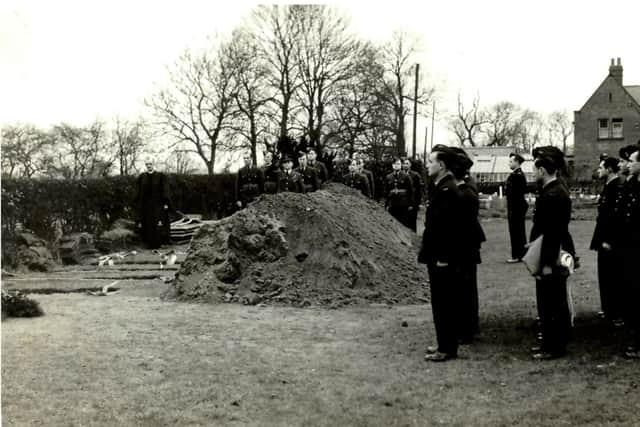

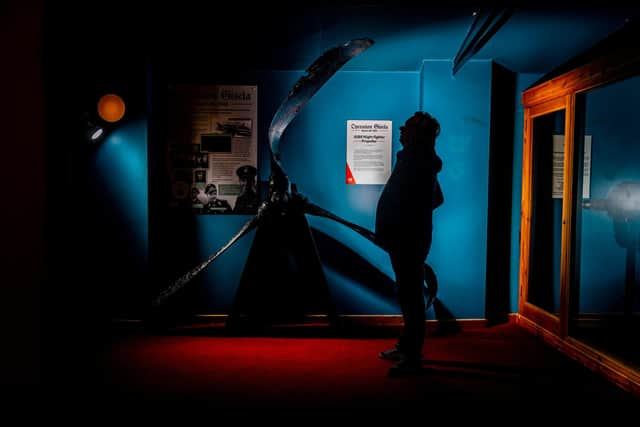
"This explains the low-flying actions of the three aircraft which crashed on English soil, as they attacked anything they could, including cars, wagons, locomotives and buildings. This resulted in some 17 civilian deaths and more injuries,” says Yorkshire Air Museum, which is based on the former RAF Elvington site, and has set up a new display to mark the 80th anniversary of Operation Gisela or Night of the Intruders.
One of the Junkers was circling RAF Elvington for another attack, when it struck a farmhouse, killing three people inside – farmer Richard Moll, his wife, Helen and daughter-in-law, Violet.
The JU88 came to rest at the junction of the Elvington and Dunnington roads. All four of the crew died. This was the last German aircraft to crash on British soil during World War Two.
In total RAF Bomber Command lost 24 aircraft to the ‘Intruders’ whilst the Luftwaffe lost 25 aircraft.
The museum yesterday held a service of remembrance and reflection to remember those killed on both sides.
Among the guests was Ross Oliver, the nephew of Flight Lieutenant Jack Laffoley of No10 Squadron, RAF Melbourne, near Pocklington. who was shot down and killed during the operation.
The 22-year-old was on his 33rd and last mission.
Mr Oliver attended from Canada, along with his daughter Tanya Smith and her husband from the United States – who met when they were Apache helicoper pilots.
Mrs Smith said her grandmother had been nine when Jack died – he’d been due to return home to Canada two days later and a large party was planned.
Amazingly there is still a survivor of Operation Gisela, 103-year-old Albert Hodkinson, who moved to the US after the war and lives in Philadelphia.
“Albert was a close friend to Jack,” Mrs Smith said.
“I was really close to my grandmother, but I don’t think I really knew a lot (about family history) until I went to flight school, and another of my uncles, who was an airline pilot, said my great uncle had been one.
“I know he had a sweetheart back home and he took the place of a different pilot that day.”